Is Your Sewer Pipe Leaking? Why a Sewer Liner Might Be Your Best Friend
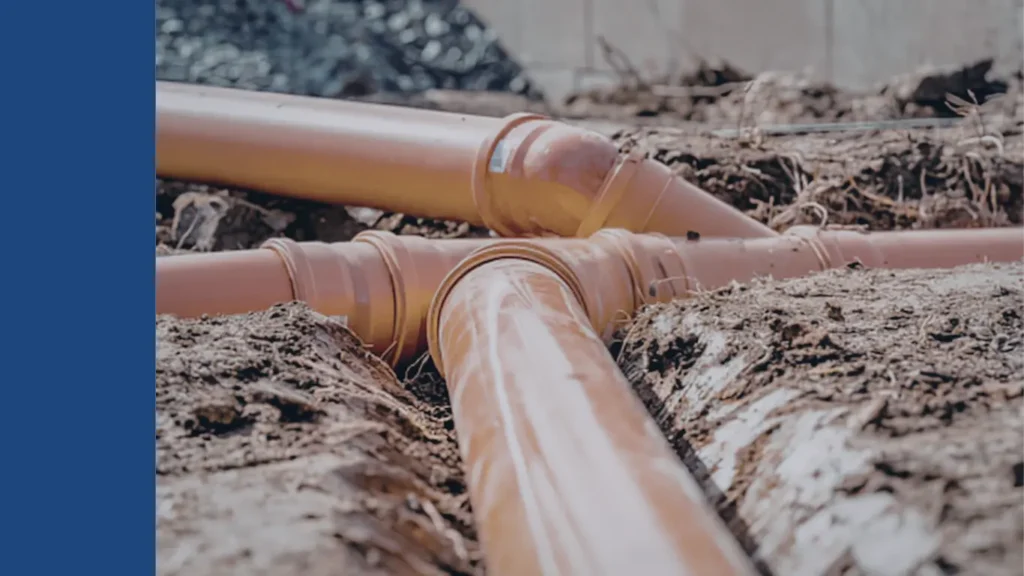
Let’s be honest: nobody wants to spend their Saturday thinking about sewer lines. Usually, we only think about them when something goes wrong—like a mysterious soggy patch in the front yard or a drain that simply refuses to budge. In the old days, fixing a cracked sewer pipe meant bringing in a backhoe and digging a trench right through your pristine landscaping (or worse, your driveway).
But here’s the good news: modern technology has given us a much “politer” way to handle things. It’s called sewer lining, and it’s essentially like giving your old, tired pipes a brand-new internal skeleton without the massive mess.
Key Takeaways
- No Digging Required: Sewer lining is “trenchless,” meaning your yard stays intact.
- Cost-Effective: While the tech is advanced, you save thousands on landscaping and driveway repairs.
- Long-Lasting: Most liners are rated to last 50 years or more.
- Quick Fix: Most jobs are completed in a single day.
Table of Contents
- What Exactly is a Sewer Liner?
- Signs You Need a Pipe Repair
- The Step-by-Step Process
- Benefits of Trenchless Repair
- The Cost Factor
- Final Thoughts
- Frequently Asked Questions
What Exactly is a Sewer Liner?
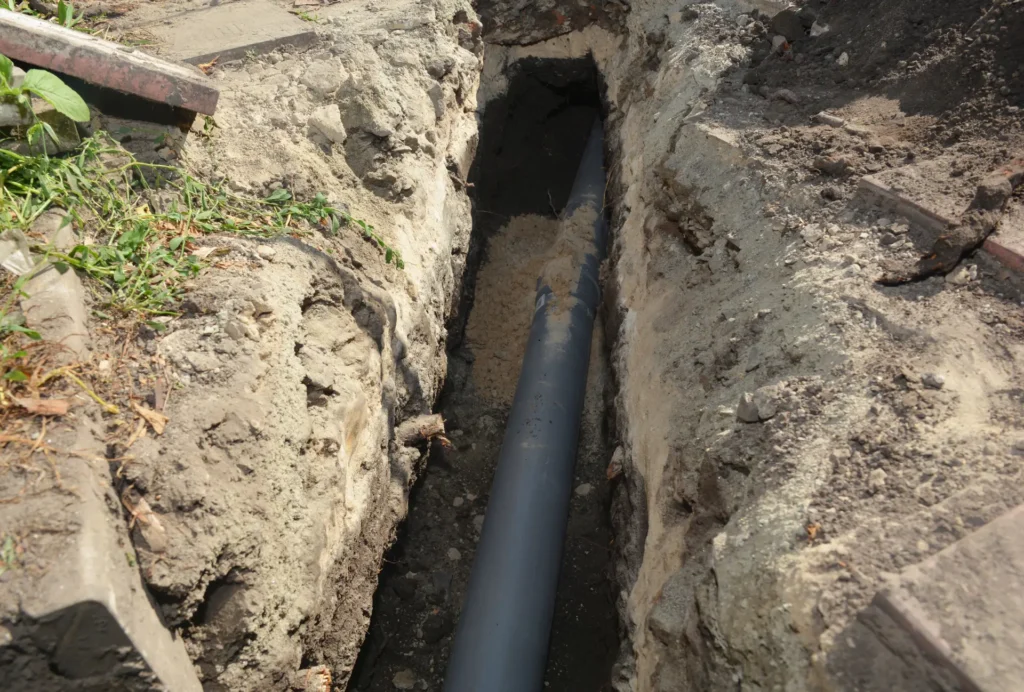
Think of a sewer liner (also known as Cured-in-Place Pipe or CIPP) as a “pipe within a pipe.” Instead of pulling out the old, broken clay or cast-iron pipe, a professional plumber inserts a flexible felt tube saturated with special epoxy resin into the existing line.
Once it’s in place, they inflate it and let it harden (cure). After a few hours, that flexible tube turns into a rock-solid, seamless pipe that seals off any old leaks or cracks.
Real-World Example: Imagine a homeowner named Sarah who has a massive, 50-year-old oak tree in her front yard. The roots found a tiny crack in her sewer line and started growing inside it, causing constant backups. Instead of cutting down the tree and digging up the lawn, a crew used a liner to seal the pipe from the inside. The tree stayed, and the clogs stopped.
Signs You Need a Pipe Repair
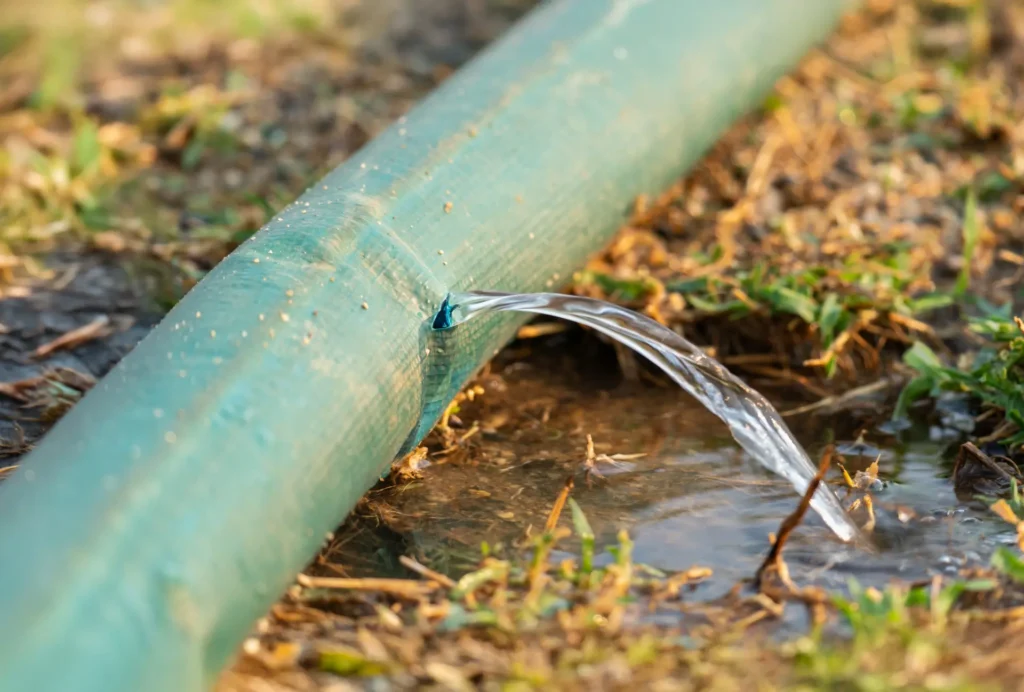
How do you know if your pipes are crying out for help? Keep an eye (and a nose) out for these red flags:
- The “Sewer Smell”: If your backyard smells like a water treatment plant, you’ve likely got a leak.
- Lush Green Patches: Is one spot of your grass looking suspiciously greener and taller than the rest? It might be getting “extra fertilizer” from a leaking pipe.
- Slow Drains: If every sink in the house is gurgling, the problem is likely in the main line, not just a simple hair clog in the shower.
- Indentations in the Yard: If a pipe has collapsed, the soil above it might start to sink.
The Step-by-Step Process: How the Magic Happens
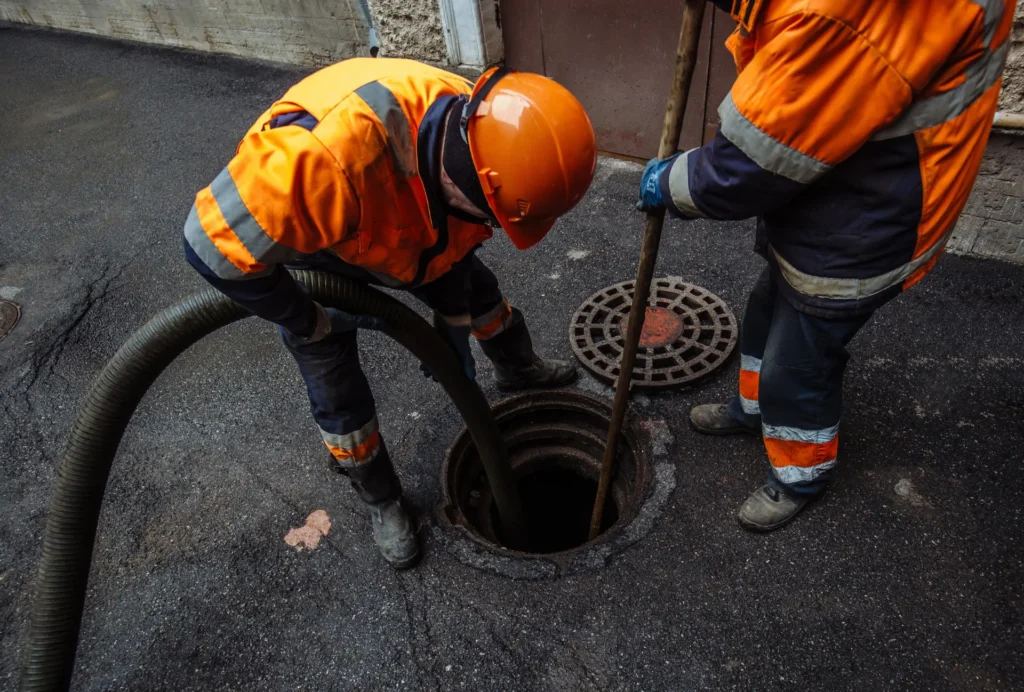
While we always recommend calling in the pros for this (it involves high-tech cameras and heavy-duty resins), here is how a typical day looks:
- The Inspection: A plumber snakes a high-def camera down the line to see exactly where the cracks or root intrusions are.
- The Cleaning: Before the liner goes in, the pipe needs to be cleaned. Pros use “hydro-jetting” (basically a super-powered pressure washer) to blast away gunk and roots.
- The Insertion: The resin-soaked liner is pulled or pushed into the pipe.
- Curing: The liner is inflated with air or hot water. It stays there until the resin hardens—usually a few hours.
- Final Check: The camera goes back in to ensure everything is smooth and sealed.
Benefits of Trenchless Repair: Why Homeowners Love It
In the battle of Trenchless vs. Traditional Digging, trenchless wins almost every time.
- It’s Safer: Digging deep trenches can be dangerous and risks hitting gas or power lines.
- It’s Faster: You won’t have a construction crew living in your yard for a week.
- Zero Restoration Costs: You don’t have to hire a landscaper or a paving company once the plumbers leave.
The Cost Factor: Is it Worth It?
On paper, the cost per foot for a sewer liner can look higher than traditional PVC pipe. However, when you factor in the “hidden” costs of traditional repair—like replacing a section of a sidewalk or re-sodding a lawn—trenchless lining is often the cheaper overall option. Most homeowners spend between $100 and $250 per linear foot, but remember, this is a “one and done” solution that protects your home for the next half-century.
Final Thoughts
Dealing with sewer issues is stressful, but it doesn’t have to be a disaster. Sewer lining is the “smart” way to handle old, leaky pipes without turning your property into a construction zone. If you’re smelling something funky or seeing slow drains, don’t wait for the pipe to collapse entirely!
Pro Tip: Always get a camera inspection first. It’s the only way to know for sure if a liner is the right fit for your specific pipe damage.
Frequently Asked Questions (FAQ)
Can a sewer liner fix a collapsed pipe?
Unfortunately, no. If the pipe has completely collapsed or “bellied,” there’s no path for the liner to go through. In those cases, a small amount of digging may be required.
How long does a sewer liner last?
Most epoxy resins used in the lining process are designed to last 50 years, often outlasting the original pipes they were put into!
Is sewer lining DIY-friendly?
Definitely not. This process requires specialized pneumatic equipment, industrial resins, and sewer cameras. It’s a job strictly for licensed professionals to ensure it’s done safely and up to code.
Will the liner reduce my pipe’s capacity?
Technically, the pipe becomes slightly narrower (by a few millimeters), but because the new surface is so smooth, the “flow rate” actually improves because there is less friction and no joints for waste to get stuck on.