What Is an Egress Window? A Homeowner’s Guide to Basement Safety, Value, and Light
Thinking about finishing your basement? Here’s why an egress window might be the most important upgrade on your list.
Your basement might feel like a glorified storage unit right now but if you’re thinking about turning it into a guest room, home office, or rental suite, there’s one upgrade you can’t skip: an egress window.
If the term is new to you, don’t worry. We’ll break down what egress windows are, what they cost, what the building code requires, and why hiring a pro is almost always the smart move.
Key Takeaways
- An egress window is a code-required emergency exit for any basement living space, especially bedrooms.
- Professional installation typically runs $2,700 to $5,800 per window, averaging around $4,200 with permits and labor.
- Building codes require a minimum opening of 5.7 square feet and a sill height no higher than 44 inches from the floor.
- Adding an egress window can increase your home’s livable square footage, which directly boosts resale value.
- Excavation, foundation cutting, and window well installation make this a job best left to a licensed local professional.
Table of Contents
- What Is an Egress Window?
- Why They Matter
- Pros and Cons
- Code Requirements
- Types
- Cost of Installation
- Can You DIY?
- FAQs
What Is an Egress Window?
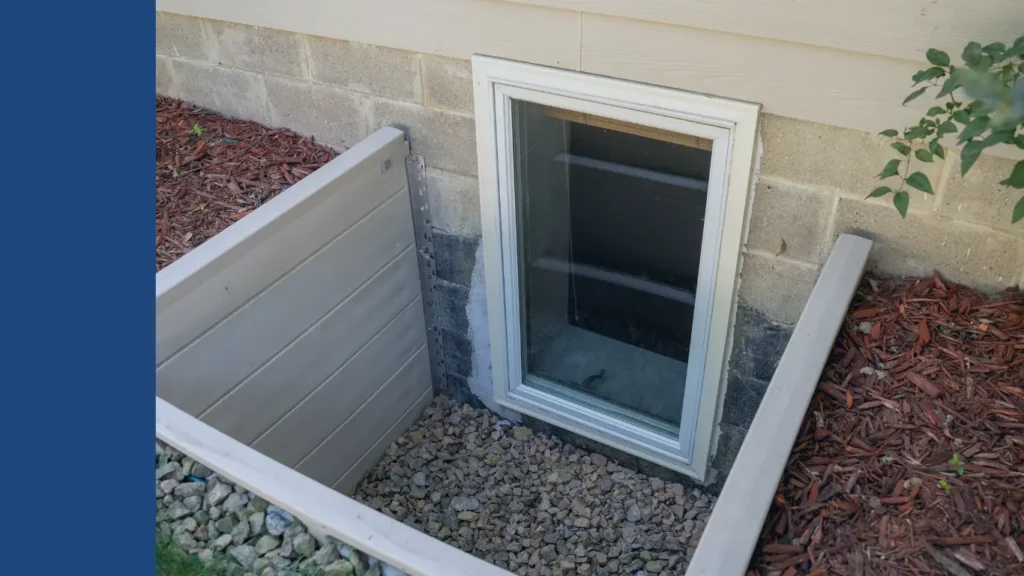
Let’s start with the basics. The word “egress” comes from the Latin egressus, which simply means “to go out.” In building terms, an egress window is a window specifically designed and sized to serve as an emergency exit. If there’s ever a fire, a gas leak, or any situation where the main staircase is blocked, an egress window gives you (or firefighters) a safe way in or out.
You’ll most often see egress windows in basements, but they’re also required in any sleeping room below grade. They’re typically much larger than standard basement windows, often paired with a window well outside if the sill sits below ground level.
Size Requirements
While egress windows come in plenty of styles and sizes, they all have specific rules to follow. The International Residential Code (IRC) requirements for egress windows include:
- A minimum opening of 5.7 square feet (20 inches high by 24 inches wide)
- No higher than 44 inches from the floor
- A glass area of no less than 8% of the room’s total floor area
- An opening area of no less than 4% of the room’s total floor area
Your local code may have stricter dimension requirements, so check with your contractor to make sure you’re following all laws.
The opening also has to be fully functioning and unobstructed at all times. That means no hedges, fences, or clutter blocking the path. If a firefighter can’t open it from outside, it doesn’t count.
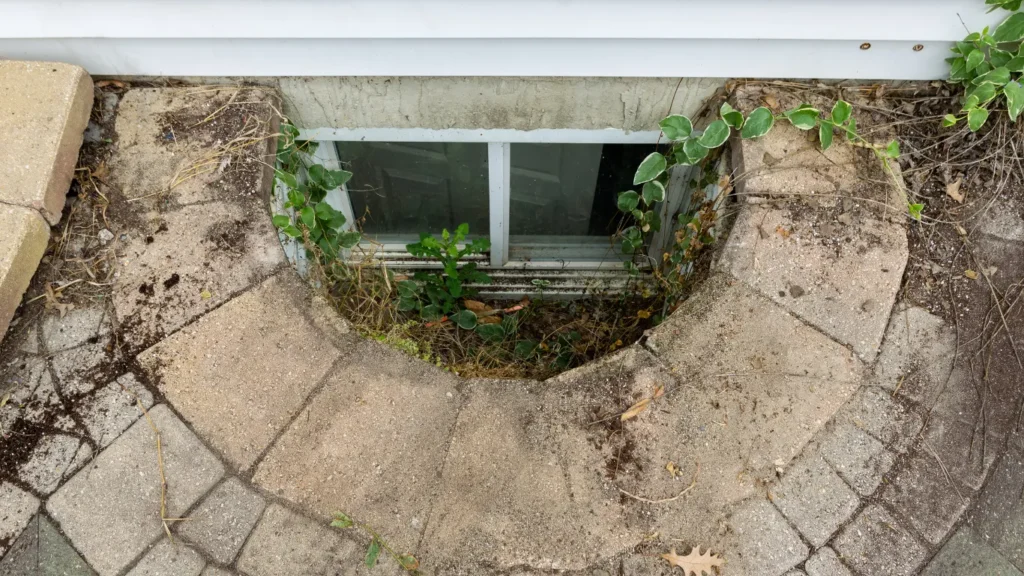
If the bottom of your egress window sits below ground level, you’ll also need a window well installed outside. This barrier usually made from strong materials like polycarbonate plastic, keeps the window clear of debris and protects people or pets from falling in.
Pros and Cons of Installing an Egress Window
Before you commit, it’s worth weighing what you’re signing up for.
The Pros
- Code compliance for finished basements. You can legally convert your basement into livable space.
- Boosted home value. Adding legal square footage is one of the best ROI upgrades out there.
- Emergency safety. A real, usable second exit for every basement bedroom.
- Better light and airflow. Goodbye musty basement smell, hello sunshine.
- More design options. Your basement starts to feel like a real room, not a bunker.
The Cons
- Cost. You’re often looking at several thousand dollars per window.
- Potential for leaks. If not installed properly, water can pool in the window well and find its way inside.
- Disruption. Installing one usually involves excavation, cutting into the foundation, and some temporary chaos in your yard.
- Maintenance. Window wells need to be kept clear of leaves, snow, and debris.
Egress Window Code Requirements Every Homeowner Should Know
This is where a lot of homeowners get tripped up. An egress window isn’t just a big window it has very specific dimensions and clearances it must meet. Most jurisdictions in the U.S. follow the International Residential Code (IRC), which sets the baseline. Your local code may be stricter.
Here’s what the IRC generally requires:
Requirement | Minimum Standard |
Total opening area | 5.7 square feet (5.0 sq ft at grade level) |
Minimum opening height | 24 inches |
Minimum opening width | 20 inches |
Max sill height from floor | 44 inches |
Glass area | At least 8% of the room’s floor area |
Window well (if below grade) | At least 9 sq ft with a 36-inch projection |
On top of all that, the opening has to be fully operable and unobstructed at all times. No stacking boxes in front of it, no planting a hedge that blocks the window well, and no nailing it shut for “security.” If a firefighter can’t open it from the outside, it doesn’t count.
Pro tip: Always confirm the exact requirements with your local building department before ordering a window. Codes vary by state, county, and sometimes even city, and getting it wrong can mean tearing out and redoing the whole install.
Types of Egress Windows to Choose From
Code tells you how big your window needs to be, but it doesn’t dictate the style. That’s where you get to make some choices based on your space, your budget, and your aesthetic.
Casement Egress Windows
Casement windows are hinged on the side and open with a hand crank, swinging outward like a door. They’re one of the most popular choices for egress because they can provide a large clear opening without needing a lot of wall space. Expect to pay around $300 to $700 for the window itself.
Sliding (Horizontal) Egress Windows
Sliding windows glide open left or right on a track. They work best when your basement has a wider wall but shorter vertical space. They’re also a great fit for narrower window wells. Prices typically run $200 to $800 depending on glass and framing.
Single-Hung Egress Windows
With a single-hung window, only the bottom sash opens. These are the most affordable option, usually $150 to $500, but they can be tricky for egress because the opening size requirement eats up a lot of the window.
Double-Hung Egress Windows
Both the top and bottom sashes open, giving you more airflow flexibility. Great in warmer climates where you want rising heat to escape. Typically $300 to $600.
In-Swing Egress Windows
These open inward into the basement on side hinges. You’ll see them in older homes with smaller original window openings. They run about $400 to $800, but keep in mind they eat up interior space when open.
Need a Pro to Handle the Heavy Lifting? Egress window installation involves foundation work, excavation, and strict code compliance. Trusted Home Quotes matches you with vetted local installers who can quote your project and handle permits from start to finish free and no obligation.
Cost of Installing Egress Windows
Beyond the window and labor, there are a few other factors that shape what you’ll actually pay for an egress window. Nationally, most homeowners spend between $2,700 and $5,800 per window, averaging around $4,200 installed.
Building Permits
Egress window installation almost always requires an inspection and a building permit, and if you’re creating or replacing a window well, you may need additional excavation. Permits typically run $50 to $300 depending on your location.
Don’t skip this step. Without the right permits, you can’t legally list your finished basement as livable square footage which means losing most of the ROI that made the project worth doing in the first place. People pay for approved square footage, so make sure that added value ends up on your appraisal.
Legal Requirements
Depending on your project, your initial inspection may require hiring a local land surveyor, a licensed electrician, or a structural engineer, sometimes all three. These fees typically add another $200 to $1,400 to the total cost.
Can You DIY?
Here’s the thing: egress windows have to meet very specific code requirements, so this isn’t the best project to tackle on your own. Hiring a local egress window contractor is the smart move; they’ll have the skills, tools, and know-how to get it right and keep your space up to code.
Even if you’ve got solid carpentry skills and have read up on local building codes, this project often still requires excavation pros or a structural engineer. And between cutting the foundation, digging the well, and passing inspections, a DIY install can stretch from days into weeks. That’s why this one is worth leaving to a pro.
Get Free Quotes from Trusted Local Pros Compare prices and timelines from top-rated egress window installers in your area. It’s fast, free, and takes the guesswork out of finding the right contractor. |
Final Thoughts
An egress window isn’t just a code box to check, it’s the upgrade that turns a basement from storage space into real, livable square footage. The cost is real, but so is the payoff in safety and home value.
If you’re finishing your basement, start by getting quotes from a few reputable local installers. Ask about their permit process, warranty, and how they handle drainage around the window well. Trusted Home Quotes can match you with vetted pros in your area in minutes free, no obligation.
Frequently Asked Questions
Do egress windows open in or out?
Most modern egress windows open outward into a window well, which keeps the opening clear and easy to climb through in an emergency. Some older homes and in-swing models open inward into the basement. Casement and double-hung styles usually open outward, while older slider or in-swing windows may open inward.
Do egress windows add value to your home?
Yes, and often significantly. The real value comes from what they unlock: the ability to legally count your finished basement as livable square footage. In many markets, that can add tens of thousands of dollars to your home’s appraised value, making it one of the highest-ROI basement upgrades available.
How long does it take to install an egress window?
A professional crew can usually complete a single egress window installation in two to four days, depending on soil conditions, foundation type, and weather. DIY installs, if attempted, can stretch into weeks.
How do I keep my egress window from flooding?
Proper drainage is everything. Make sure your window well has a gravel base connected to either a drain tile or your home’s foundation drainage system. A well-fitted window well cover also helps keep rain, snow, leaves, and small animals out. If flooding has been an issue before, your installer may recommend a dedicated drain line or sump connection.
Can I install an egress window in any basement?
Most basements can accommodate an egress window, but there are exceptions. If your basement is extremely deep, sits next to property lines, or has utility lines running along the exterior wall, your options may be limited. A local installer can do a site assessment and tell you what’s feasible before you commit.
Does every basement bedroom need an egress window?
In almost every U.S. jurisdiction, yes. If a room below grade is used for sleeping, code requires a proper egress window (or an exterior door). If you advertise or use a basement room as a bedroom without one, you can run into issues with insurance, appraisals, and even legal liability if something goes wrong.