7 Types of Gable Roofs: Which One Is Right for Your Home?
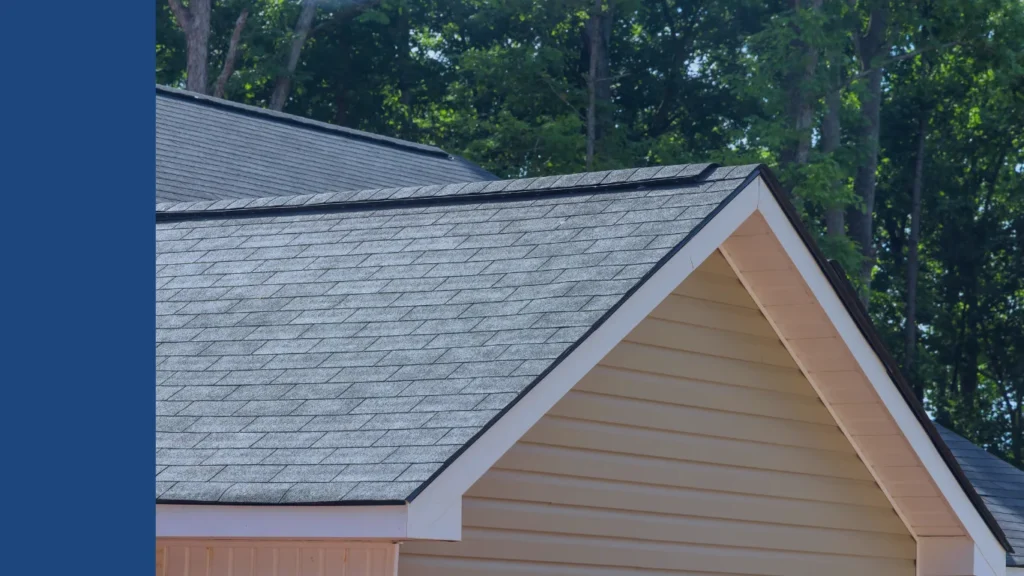
When choosing a roof for your home, one of the popular types of gable roofs offers a classic design that stands up to the test of time. In this guide, we’ll walk through all the different gable roof styles you can choose from, the home designs they pair best with, and how they stack up against other roof types so you can pick the right one for your home.
Key Takeaways
- There are seven main types of gable roofs: open, box, cross, Dutch, front, gambrel, and saltbox.
- Open and box gables are the most common and affordable, while Dutch and cross gables cost more but add major curb appeal.
- Gambrel and saltbox roofs give you the most attic and living space under the roof.
- Gable roofs work with nearly every traditional home style Colonial, Cape Cod, Craftsman, Tudor, Victorian, Ranch, and more.
- Most gable designs struggle in extreme winds, so homeowners in hurricane or tornado zones should talk to a local roofer about reinforcement or a hip roof alternative.
Table of Contents
- The 7 Main Types of Gable Roofs
- Home Styles That Pair Well With Gable Roofs
- Gable Roofs vs. Other Roof Designs
- When to Hire a Professional Roofer
- Final Thoughts
- Frequently Asked Questions
The 7 Main Types of Gable Roofs
1. Open Gable Roof
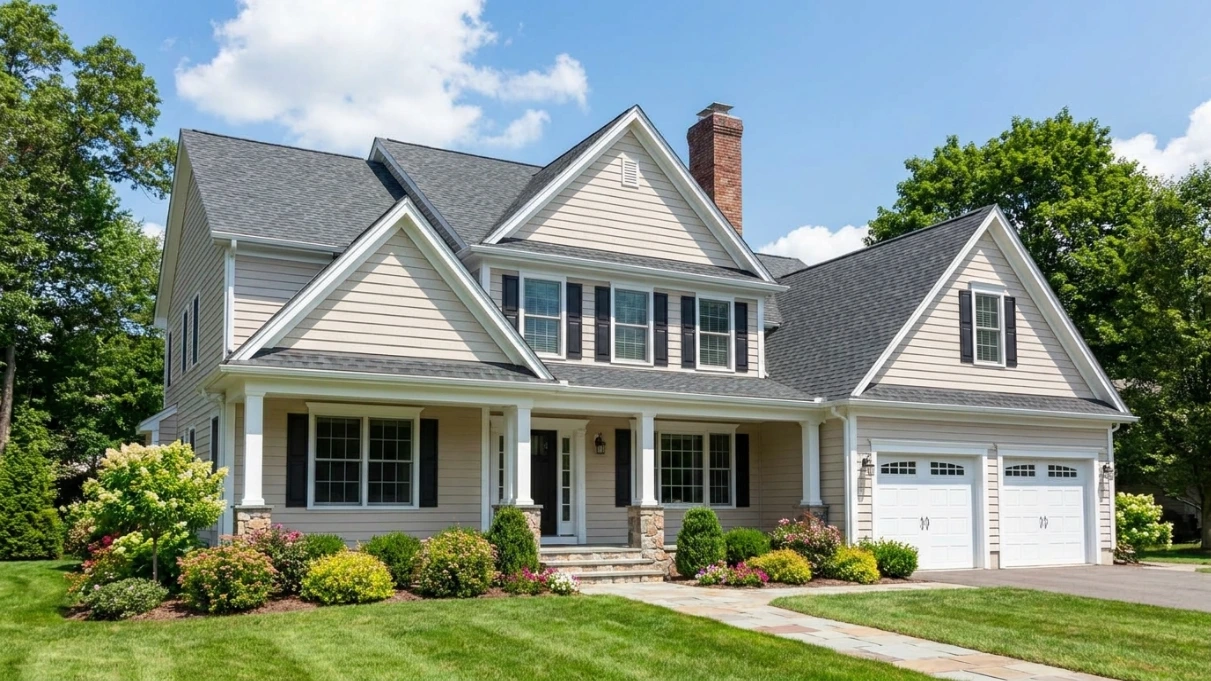
The open gable is the most common and basic gable roof out there. It features a peak running down the middle with two equal slopes extending out on either side. There are no extra frills the triangular end walls of the home (the “gables”) are left open to the elements, with the siding running straight up to the roofline.
Because of how simple it is to build, open gable roofs are the most affordable option, which is why you’ll spot them everywhere from starter homes to basic ranches. You also get tons of attic space that you can use for storage or finish off into a bonus room. The tradeoff? Those big, flat gable walls can catch the wind like a sail during serious storms.
Pros | Cons |
Traditional design | Prone to wind issues |
Inexpensive to build | Sharp ceiling slope |
Plenty of attic space |
|
Best for: Homeowners who want an affordable, traditional roof design on a budget.
2. Box Gable Roof
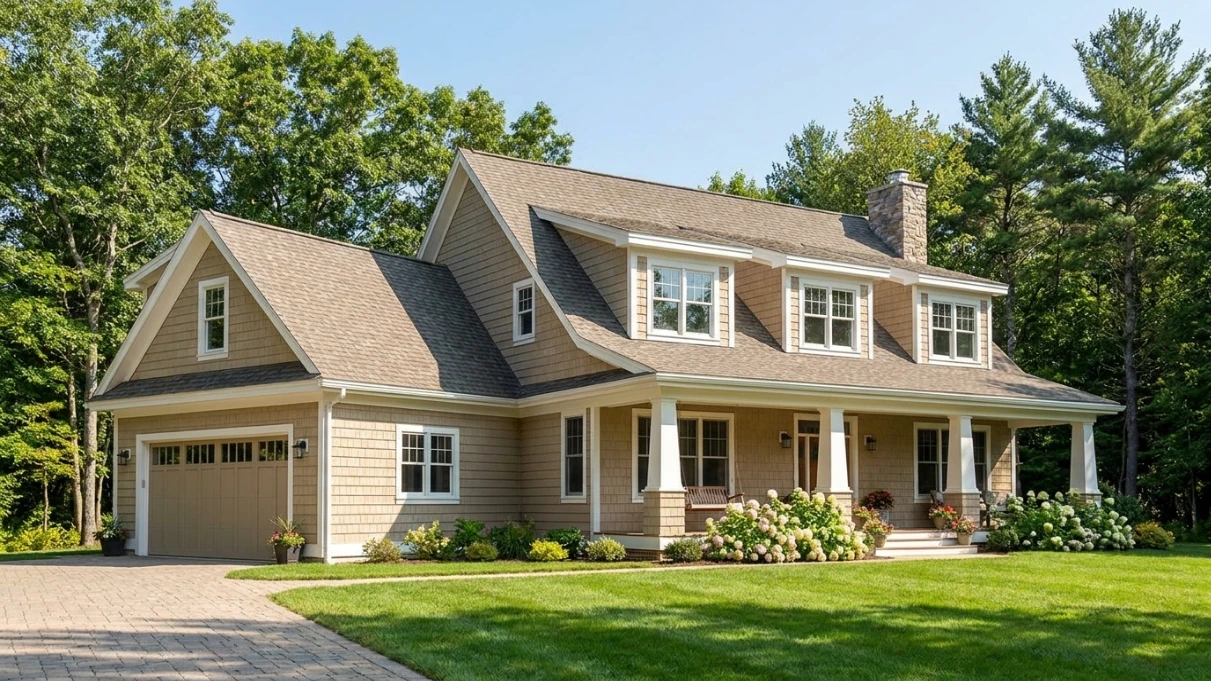
The box gable has a ridge running along the length of the home with two equal slopes extending outward basically the same setup as an open gable. What sets it apart is that the triangular gable ends are “boxed in” with a small overhang that protrudes out from the main structure. That overhang delivers extra rain protection and shields the upper siding from water damage.
Pros | Cons |
Sheds rain quickly | Issues in high wind |
Extra protection for upper siding | More expensive than open gable |
Easy construction |
|
Best for: Homes with minimal exposure to extremely high winds that want a slightly more polished look.
3. Cross Gable Roof
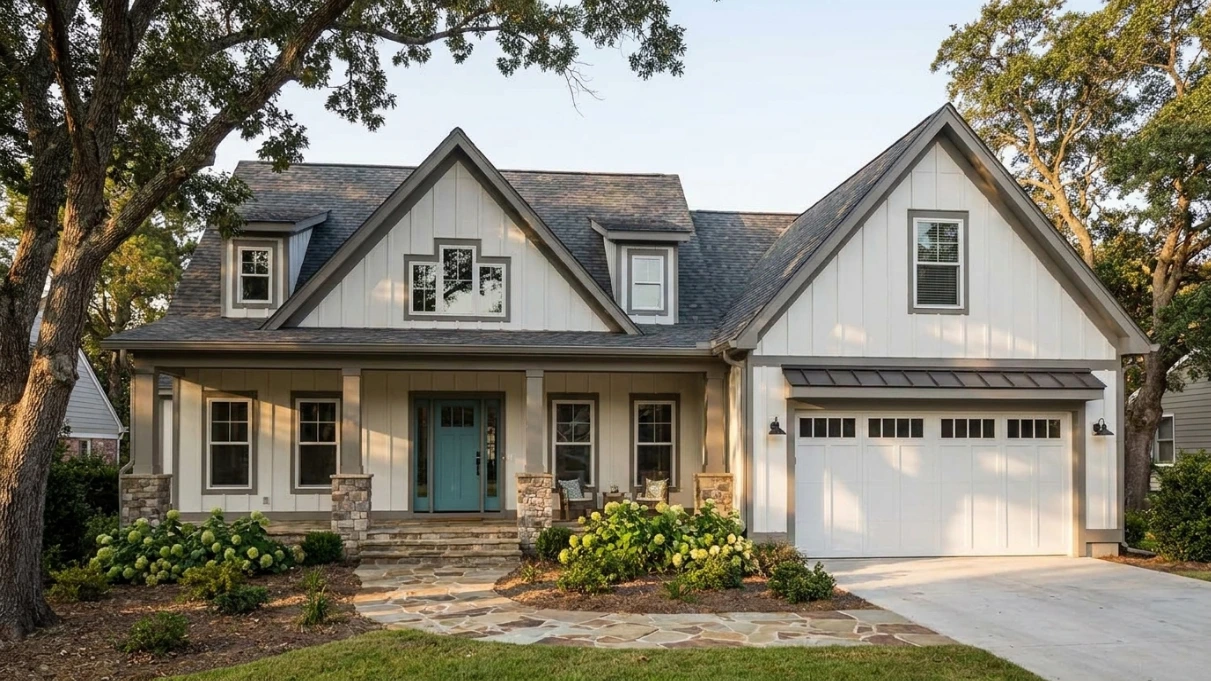
The cross gable is the most complex design in the gable family. It sits over an L-shaped or T-shaped home, with one gable intersecting the main roof at a perpendicular angle. You’ll see cross gables on everything from Tudor cottages to sprawling new-construction homes, and they’re one of the most recognizable rooflines in American neighborhoods.
Pros | Cons |
More versatility | Pricey to build |
Adds interior living space | Extra materials needed |
Attractive design | Wind damage issues |
Best for: Homes that need extra interior living space or a roofline with character.
4. Dutch Gable Roof
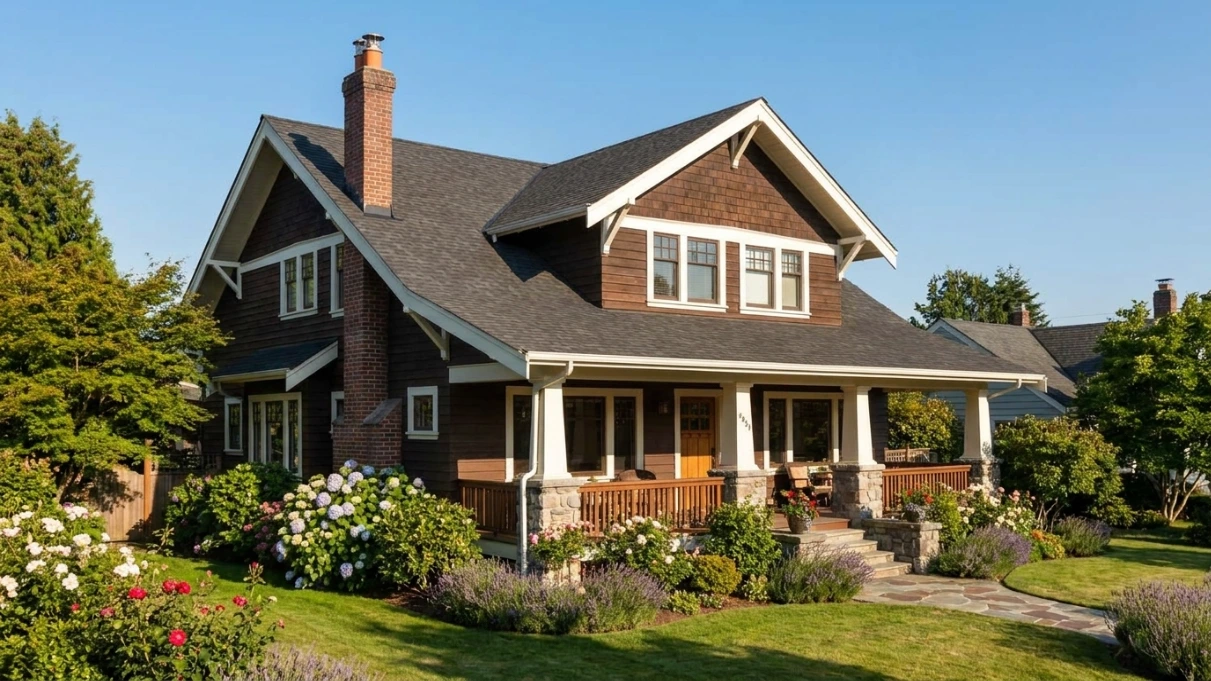
The Dutch gable roof might have a design that least resembles the traditional gable roof. Some people describe it as two roofs in one, as it resembles a hip roof and gable roof combined. The Dutch gable roof has a long peak in the middle, but it also has four slopes that extend outward over each side of the home, with the two side slopes only descending part of the way down the ends of the main gable. This design is visually pleasing and adds some intrigue to an otherwise simple roof design.
Pros | Cons |
Unique appearance | More complex design |
Allows extra windows | Expensive to build and maintain |
More wind resistant than standard gable |
|
Best for: Homeowners who want a standout roof design and have room in the budget for quality work.
5. Front Gable Roof
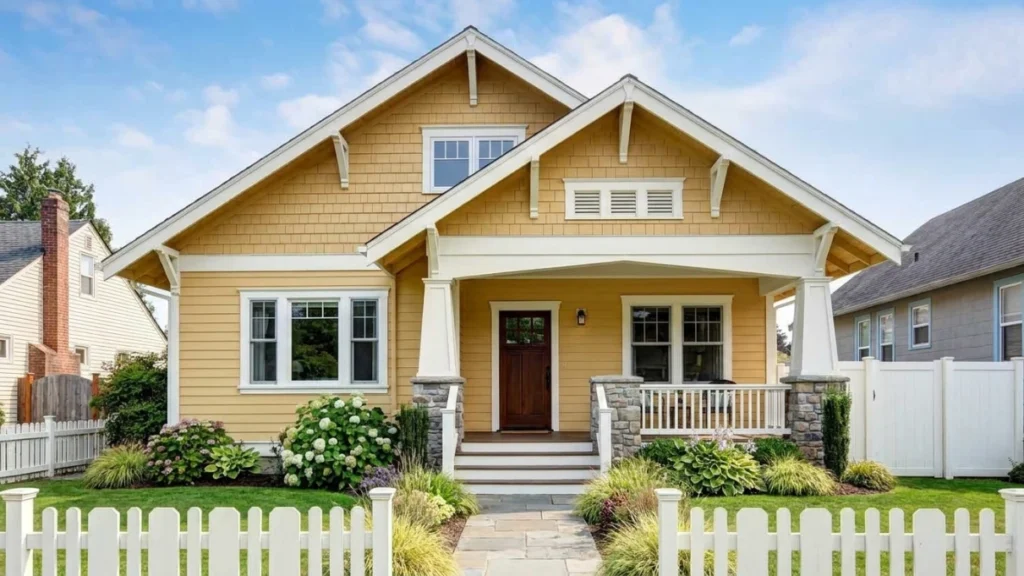
With a front gable roof, the front door sits under a separate gable that extends from the main roof. This creates an impressive, symmetrical look for homes on narrow lots with limited street-facing space. Many homeowners add columns or a small porch under the front gable to frame the entryway and boost curb appeal even more.
Pros | Cons |
Emphasizes the front door | Not ideal for very wide homes |
Perfect for porches and columns | Possible wind damage |
Great on narrow lots |
|
Best for: Homes on long, narrow lots where the front entry is the visual centerpiece.
6. Gambrel Roof
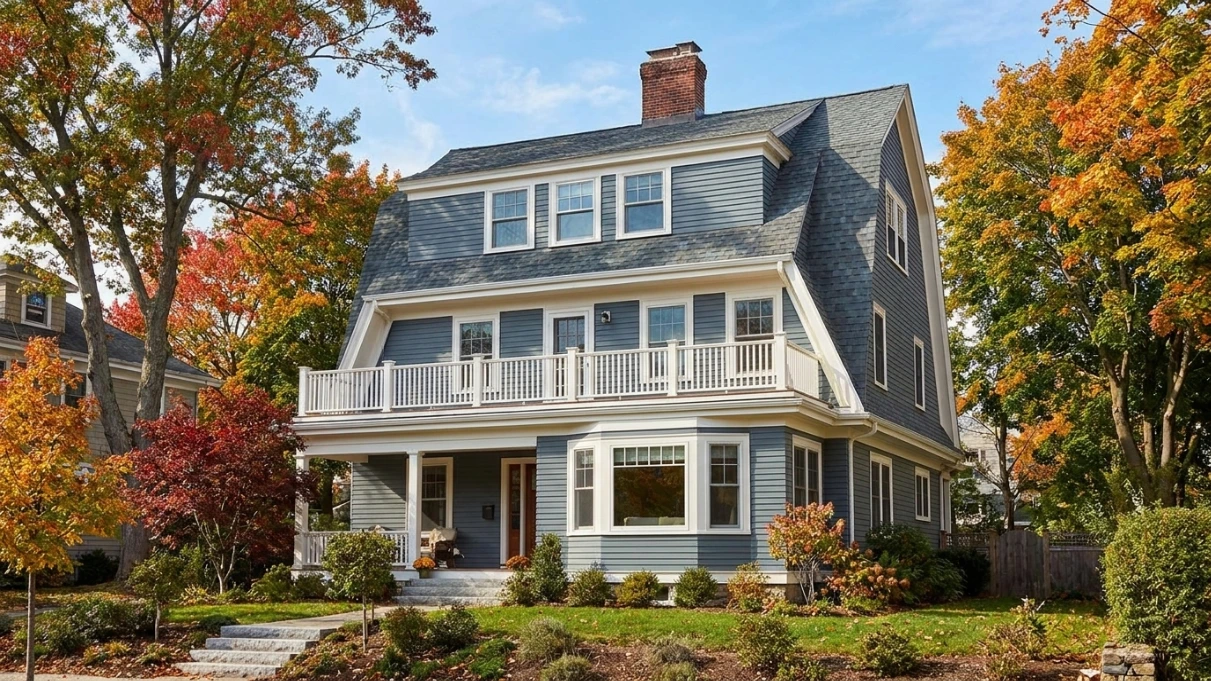
When you picture an old Dutch-style barn, you’re probably picturing a gambrel roof. It’s in the gable family because it has a centered peak running along the longest dimension of the home. But instead of two equivalent slopes on each side, the gambrel splits each slope into two pitches: a shallow angle near the peak and a much steeper angle running down to the eaves.
Pros | Cons |
Visual appeal | Sheds snow poorly |
Most attic space of any gable | Expensive to build |
Great for second-floor living | Vulnerable in high winds |
Best for: Homeowners who want maximum attic or second-story space under the roof.
7. Saltbox Roof
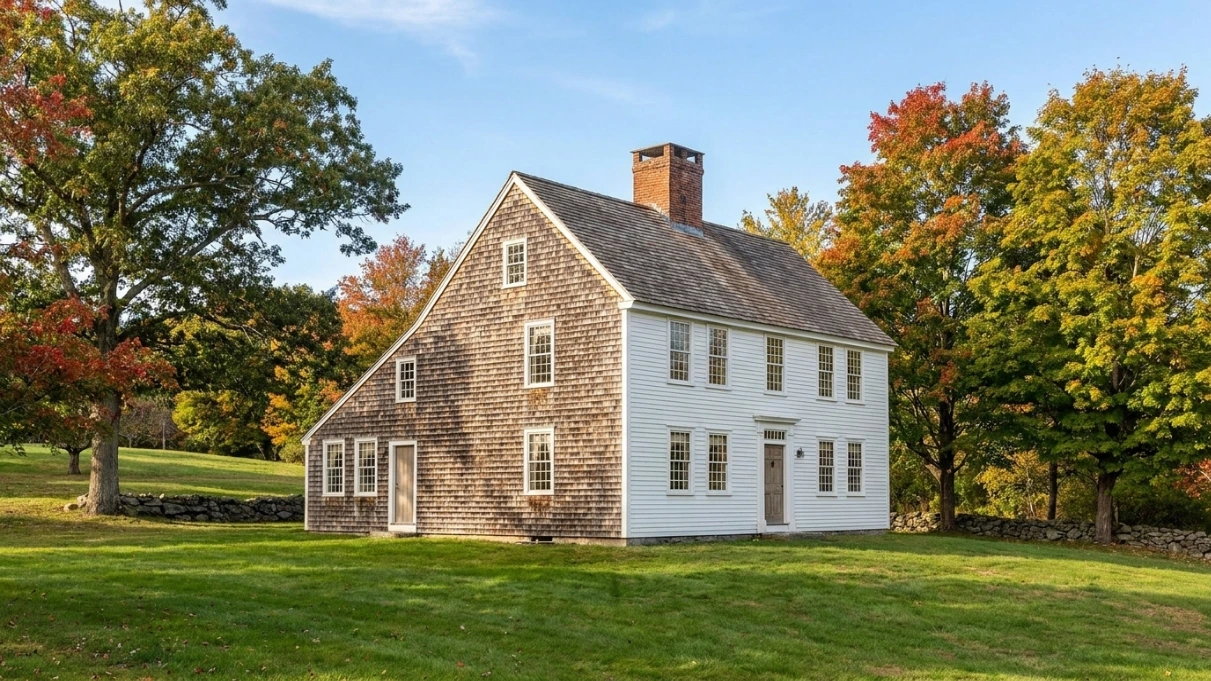
A saltbox roof is similar in structural design to an open gable roof, but one slope extends further down than the other, creating an asymmetrical design. This makes for a visually appealing structure that sheds rain well, but the tall, exposed side walls are more susceptible to damage from strong winds.
As such, saltbox roofs are best in areas that don’t see extreme weather, like hurricanes, tropical storms, or tornadoes. One other thing to consider is that the side of the home with the shallower slope provides more attic space or interior living space than an open gable roof.
Pros | Cons |
Visual appeal | Prone to wind damage |
More attic or living space on one side | Uneven interior ceiling heights |
Sheds rain well |
|
Best for: A unique appearance with added attic or living space in a mild-climate area.
Home Styles That Pair Well With Gable Roofs
Gable roofs are the standard on American homes because they pair so well with just about every traditional architectural style. Here’s where you’ll see each type at its best.
A-frame homes: Often use simple gables with super steep slopes that extend all the way down to the ground the roof basically is the house.
Bungalows: Small footprints and tight budgets make a simple front gable or open gable the natural fit for bungalow-style homes.
Cape Cod: Traditionally have simple gable roofs with doghouse dormers popping out of the slopes for extra upstairs light and headroom.
Colonial: A classic Colonial features a simple gable roof running the length of the home, often with box gables on the ends for that clean, symmetrical look.
Dutch Colonial: Often feature Dutch gables or cross gables, with a main gable running along the length of the home and Dutch gables extending forward for extra character.
Greek Revival: Usually have low-slope gables and front gables supported by large decorative columns, giving that temple-like facade.
Modern homes: Some modern builds use low-slope saltbox gables or asymmetrical front gables for a fresh take on a traditional style.
Ranch: Single-story ranch homes don’t really need the attic space, so a simple, affordable gable roof is the perfect match.
Tudor: Usually feature Dutch gables adorned with cross gables for that unique, storybook-cottage appearance.
Victorian: Often have steep gable roofs as the main focal point, dressed up with decorative trim and millwork for that ornate Victorian look.
Here’s a more distinct version that reworks the structure, phrasing, and angle:
How Gable Roofs Stack Up Against Other Roof Styles
Gable roofs dominate American neighborhoods for a reason, but they aren’t always the right pick for every home or every climate. Here’s a quick look at how they measure up against the other popular options you’re likely considering.
- Gable vs. flat roofs: The biggest difference comes down to drainage. A gable roof pushes water and snow off quickly thanks to its slope, while a flat roof needs proper drains and regular upkeep to avoid pooling. Flat roofs do have one advantage, though: less surface area catching the wind during storms.
- Gable vs. hip roofs: Think of this as a tradeoff between wind and weather. Hip roofs handle hurricane-force gusts better because all four sides slope down, but gables win on snow performance and affordability. Hip roofs also take longer to build and cost more in labor, which adds up fast on larger homes.
- Gable vs. shed roofs: Shed roofs keep things simple with a single slope, which works great for small additions, garages, or modern minimalist builds. On a full-size home, though, gables generally perform better in bad weather and feel more at home with traditional architecture.
Still on the fence about which roof style suits your home? A quick conversation with a local roofing contractor can help you weigh the pros and cons based on your climate, your home’s shape, and your budget.
Final Thoughts
Gable roofs are popular for a reason they’re affordable, practical, and they just look right. Whether you go with a simple open gable on a starter home, a dramatic cross gable on a custom build, or a charming gambrel for bonus attic space, you’re choosing a design that’s stood the test of time.
The most important thing is matching the roof to your home’s style, your climate, and your budget. A gambrel is gorgeous, but probably not the best choice for snowy Minnesota. A saltbox looks stunning, but maybe skip it if you’re on the Florida coast. And no matter which style you pick, a quality installation from a licensed local roofer is the single biggest factor in how long your roof lasts.
Frequently Asked Questions
What is the most popular type of gable roof?
The open gable is by far the most common in the U.S. It’s the simple, triangular shape you see on most homes affordable to build, easy to maintain, and great at shedding rain and snow. Box gables are a close second because they offer a bit more rain protection for the upper siding.
Are gable roofs good in high wind?
Not especially. Because gable roofs have tall, flat end walls, they can catch wind and act like a sail during hurricanes or tornadoes. If you live in a high-wind zone, a hip roof is usually the safer bet or at minimum, have a licensed roofer reinforce your gable ends with bracing and hurricane ties.
What is the difference between a gable roof and a hip roof?
A gable roof has two slopes that meet at a central ridge, with flat triangular walls on each end of the house. A hip roof slopes down on all four sides, with no flat gable walls at all. Hip roofs handle wind better but cost more and leave less attic space; gable roofs are cheaper, simpler, and give you more room upstairs.
Which gable roof style has the most attic space?
The gambrel roof wins hands-down for attic space. Its double-pitched slopes create full-height headroom under the roof, which is why so many Dutch Colonials, barns, and carriage houses use this design. Saltbox roofs are a close second because their long slope creates bonus living space on one side of the home.
How long does a gable roof last?
The lifespan depends more on the roofing material than the gable style itself. Asphalt shingles last 20–30 years, metal roofs 40–70 years, and slate or tile can push past 100 years with proper maintenance. A quality installation from a licensed roofer makes a bigger difference than the style you pick.
Can I add a dormer to a gable roof?
Absolutely — gable roofs are actually one of the easiest styles to add dormers to. You can go with a smaller gable dormer (which has its own mini-roof) or a shed dormer (a flat, single-slope roof). Dormers add natural light, headroom, and usable attic space, but they also add cost, so get a pro’s estimate before committing.
Do gable roofs leak more than other styles?
Simple gable designs (open and box) actually have fewer leak points than most roof styles because they don’t have many valleys or seams. The leak-prone designs are the complex ones cross gables and Dutch gables which have lots of valleys where water can pool. Hire an experienced roofer for these styles to minimize the risk.