
Diving into the Details: How Much Does it Cost to Install a Pool?
So, you’ve spent another scorching summer afternoon eyeing that patch of grass in the backyard and thinking, “A pool would look pretty great right there.” We’ve all been there! But before you start picking out the perfect inflatable swan, there’s the big “C” word to talk about: Cost.
Installing a pool is a major home investment—kind of like adding a small, watery addition to your house. Whether you’re dreaming of a sleek inground oasis for midnight swims or a fun above-ground setup for the kids, understanding the price tag helps you dive in with confidence. Let’s break down what you can expect to pay, from the first scoop of dirt to the final splash.
Key Takeaways
- Inground pools generally range from $45,000 to $100,000+, while above-ground pools are much more budget-friendly at $3,000 to $10,000.
- Material matters: Vinyl is usually the most affordable inground option, followed by fiberglass, then high-end concrete (gunite).
- Hidden costs like permits, safety fencing, and landscaping can add $10,000 to $25,000 to your initial quote.
- Ongoing maintenance (chemicals, electricity, and opening/closing) averages $3,000 to $6,000 per year.
Table of Contents
- In-Ground vs. Above-Ground: The Big Comparison
- Cost Breakdown by Material
- The “Hidden” Factors That Move the Needle
- Real-World Examples: What Your Neighbors Paid
- Ongoing Costs: Life After Installation
- Final Thoughts
- Frequently Asked Questions
In-Ground vs. Above-Ground: Choosing Your Vibe
The first decision is the biggest: do you want to dig a hole or stay on the surface?
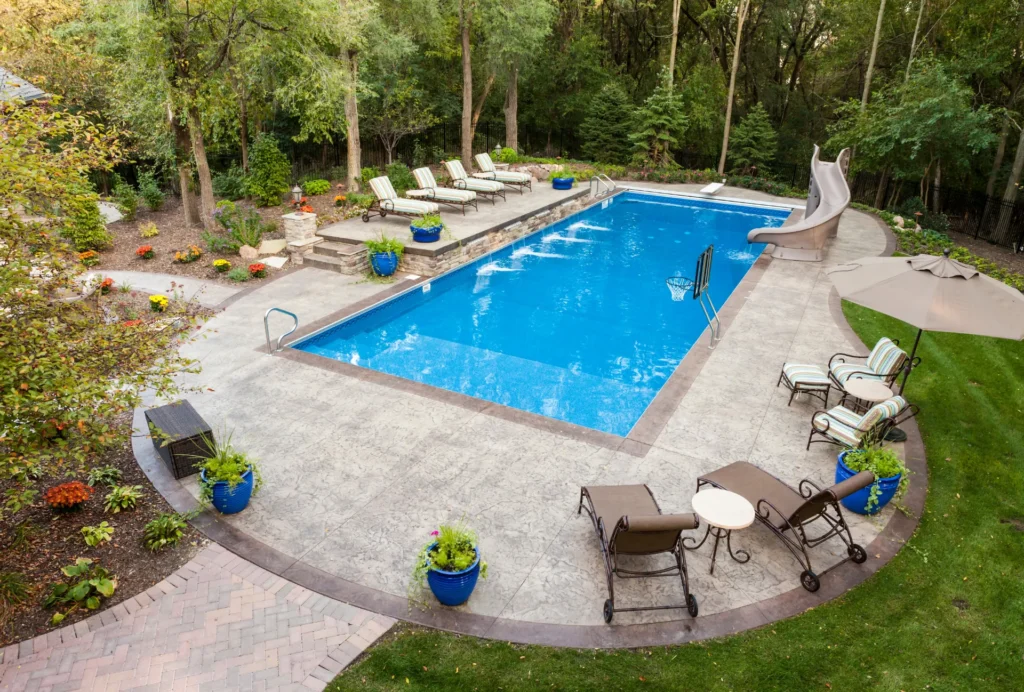
- In-Ground Pools: These are the “forever” pools. They increase property value (usually by about 5-7%) and offer endless customization. However, they require heavy machinery and several weeks of construction. Average price: $65,000.
- Above-Ground Pools: Perfect for immediate gratification and tighter budgets. You can often DIY these or have them professionally installed in just a day or two. While they don’t add much home value, they are easy to remove later if you change your mind. Average price: $5,000.
Cost Breakdown by Material
If you’ve settled on an inground pool, your choice of material is the primary “price setter.”
Pool Type | Average Cost Range | Pros | Cons |
Vinyl Liner | $45,000 – $75,000 | Lowest upfront cost; soft surface. | Liner needs replacing every 7-10 years. |
Fiberglass | $55,000 – $95,000 | Fast install; low maintenance; algae-resistant. | Limited shapes/sizes (pre-molded). |
Concrete (Gunite) | $75,000 – $150,000+ | Fully custom; extremely durable. | Most expensive; high maintenance. |
Expert Tip: Many homeowners are flocking to fiberglass lately. Even though it costs about 15% more than vinyl upfront, the “smooth-as-glass” surface means you’ll spend way less on chemicals and cleaning over the years.
The “Hidden” Factors That Move the Needle
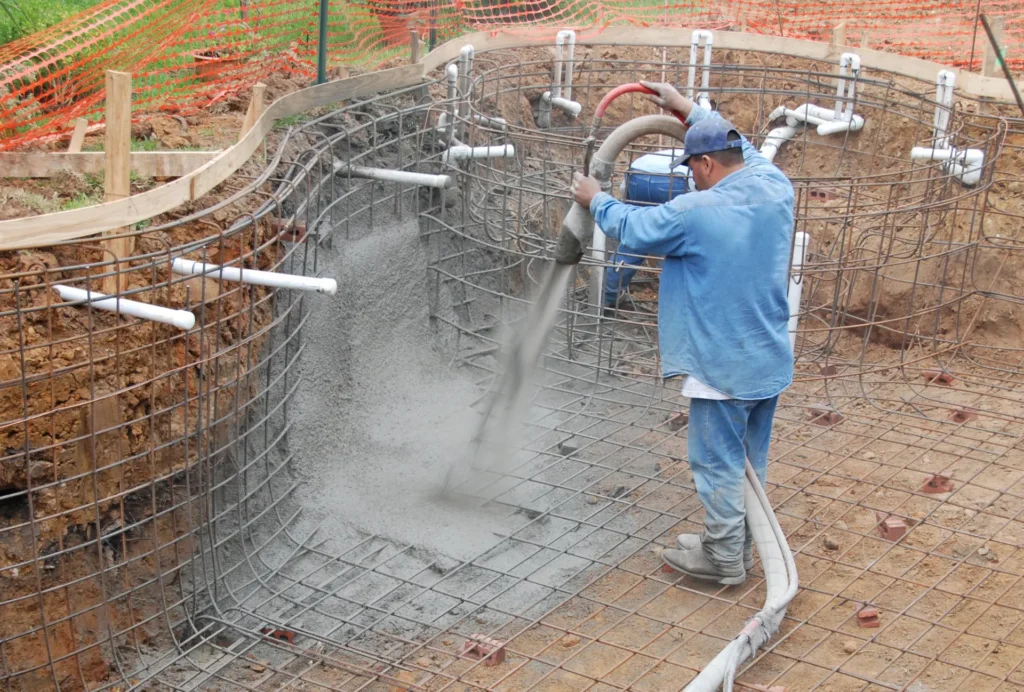
When you get a quote from a pro, it might just cover the “hole and the water.” Here’s what usually sneaks up on homeowners:
- The Backyard “Surprise”: If your contractor hits a massive boulder or high groundwater while digging, excavation costs can jump by $5,000+.
- Safety First (and Legal): Most municipalities require a 4-sided safety fence. Depending on the material (chain link vs. glass), this can cost $3,000 to $10,000.
- Permits & Paperwork: Expect to pay $500 to $2,500 for building and electrical permits before the first shovel hits the ground.
- Electrical & Plumbing: Running lines for the pump, heater, and lights often requires a licensed pro and can cost $3,000 to $6,000.
Real-World Examples
To give you a better idea of how these numbers look in the real world, here are a few common scenarios:
- The “No-Frills” Family Setup: A 12×24 vinyl liner pool with a simple concrete apron (walkway) and basic safety fencing.
- Total: ~$55,000.
- The Low-Maintenance Luxury: A medium-sized fiberglass pool with LED lighting, an energy-efficient heater, and interlocking stone pavers.
- Total: ~$85,000.
- The Backyard Resort: A custom-shaped concrete pool with a built-in waterfall, an integrated hot tub, and high-end landscaping.
- Total: ~$140,000+.
Ongoing Costs: Life After Installation
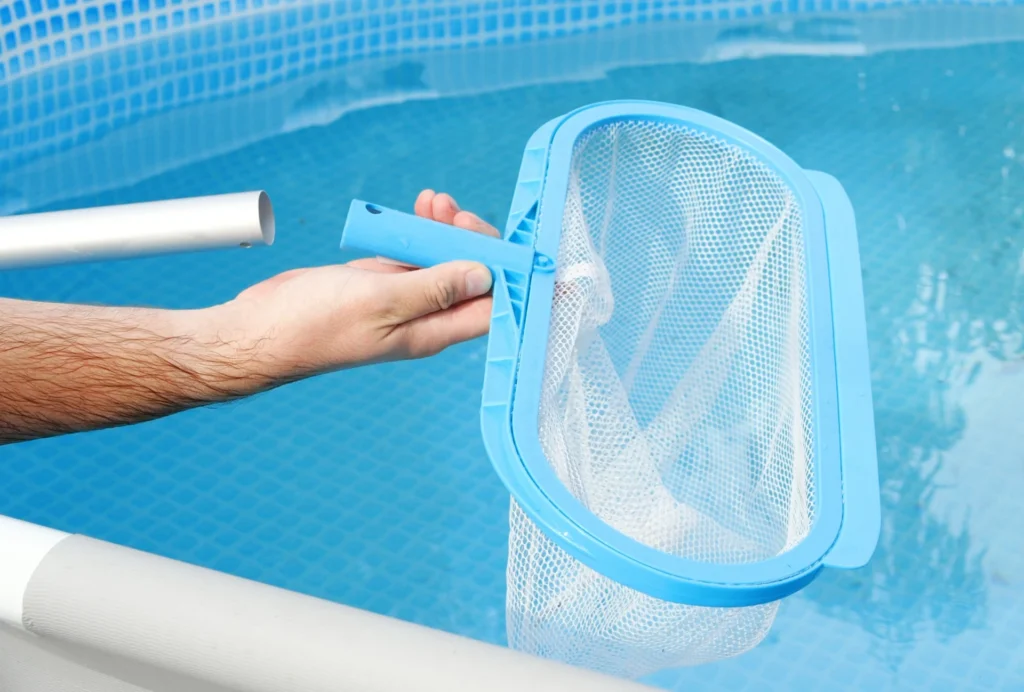
Owning a pool is a bit like owning a pet—it needs regular feeding (chemicals) and grooming (cleaning).
- Chemicals & Testing: ~$400–$800 per year.
- Electricity (Pump & Filter): ~$800–$1,200 per year.
- Opening/Closing: If you hire a pro to winterize the lines and open it in the spring, budget about $1,000 annually.
- Heating: In cooler climates, running a gas heater can add $100–$300 per month during the swimming season.
Final Thoughts
A pool is more than just a place to cool off; it’s a hub for family memories and a major upgrade to your lifestyle. While the price tag can feel daunting, breaking it down into materials, installation, and long-term care makes it much more manageable.
Our best advice? Don’t cut corners on the “unseen” stuff like plumbing and electrical—fixing a leak under a concrete deck is way more expensive than doing it right the first time. Talk to a few reputable pros, get detailed quotes, and soon you’ll be ready for that first cannonball!
FAQ Section
Does a pool really increase my home’s value?
Yes, but don’t expect a 1:1 return. In most markets, an inground pool adds about 5-7% to your home’s value. It also makes your home more “marketable” to families during a summer sale!
How long does it take to build a pool?
Fiberglass pools can be ready in 2-4 weeks. Vinyl usually takes 4-8 weeks, and concrete can take 3-6 months depending on the complexity and weather.
Should I go with saltwater or chlorine?
Saltwater systems have a higher upfront cost (around $2,000 extra) but are much gentler on the skin and eyes. They also save you money on chemicals over time because they “manufacture” their own chlorine.
Can I install a pool myself to save money?
Unless you are a licensed contractor with heavy machinery experience, we don’t recommend a DIY inground pool. One mistake in the plumbing or structural support can lead to catastrophic (and expensive) failures. Above-ground pools, however, are very DIY-friendly!
