Is Your Home’s Wiring Up to Code? Why an Electrical Inspection is a Bright Idea
We’ve all been there: you plug in the vacuum while the microwave is running, and suddenly—click—the power goes out. You stumble through the dark to the breaker box, flip a switch, and go about your day. It’s a minor annoyance, right? Well, sometimes that “annoyance” is actually your home’s way of screaming for help.
Your electrical system is the nervous system of your home. It’s tucked away behind the drywall, working 24/7 to keep your lights on and your Netflix streaming. But because we can’t see it, we often forget that wires fray, connections loosen, and technology becomes outdated. Let’s talk about why a professional electrical inspection is the best way to keep your family safe and your gadgets humming.
Key Takeaways
- Safety First: The primary goal is preventing electrical fires and shocks.
- Modern Demands: Older homes weren’t built for our modern world of EVs, high-end computers, and smart appliances.
- Insurance Perks: Many providers require an inspection (or offer discounts) for updated electrical systems.
- Peace of Mind: Knowing your “hidden” systems are healthy takes the stress out of homeownership.
Table of Contents
- What Exactly Happens During an Electrical Inspection?
- Red Flags: When to Call an Electrician ASAP
- The “Old Home” Factor: Aluminum and Knob-and-Tube
- The Breaker Box: Your Home’s Control Center
- The Cost of Safety vs. The Cost of Neglect
- Final Thoughts
- Frequently Asked Questions
What Exactly Happens During an Electrical Inspection?
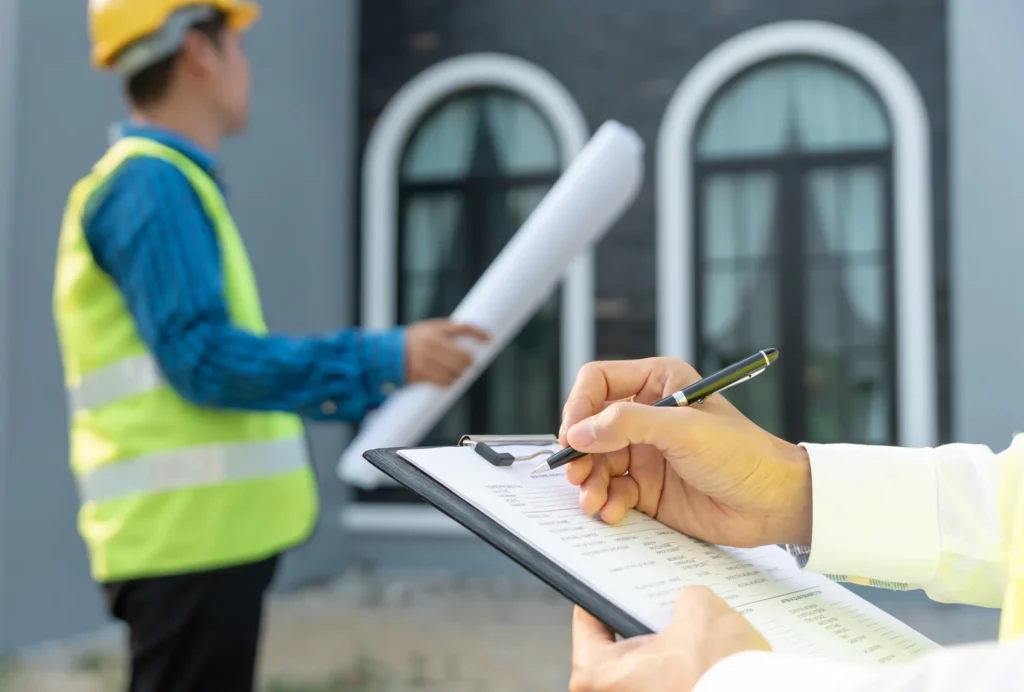
An electrical inspection isn’t just a guy walking around with a flashlight. It’s a deep dive into how power flows through your house. A pro will check your “service entry” (where the power comes in from the street), your main panel, and every single outlet and switch.
They’ll use specialized tools to check for “grounding”—which is basically a safety path for electricity to take if something goes wrong—and ensure your GFCI outlets (the ones with the little “test” buttons) are working in bathrooms and kitchens.
Real-Life Example: I once saw an inspection where the homeowner complained that a specific bedroom wall felt “warm.” The inspector used an infrared thermal camera and found a loose wire inside the wall that was literally smoldering. A 30-minute inspection saved that house from a midnight fire.
Red Flags: When to Call an Electrician ASAP
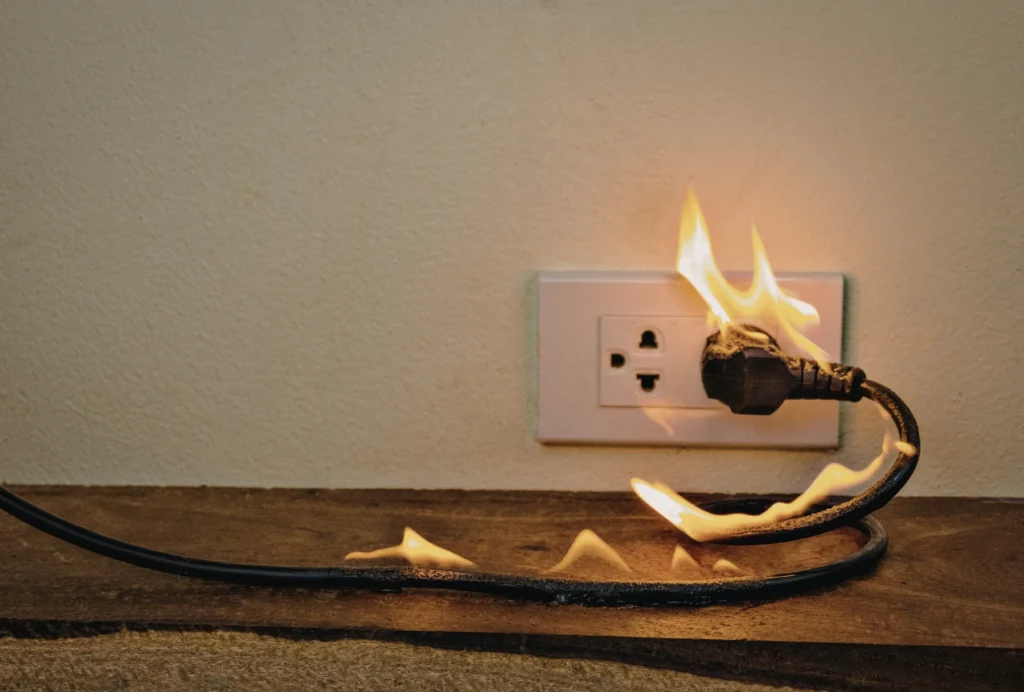
You don’t always need a full inspection every year, but you should definitely call a pro if you notice these “cries for help”:
- Flickering Lights: This isn’t just a ghost in the attic; it usually means a loose connection or a circuit that’s being pushed too hard.
- Discolored Outlets: If you see brown or black scorch marks on an outlet, stop using it immediately. This is a sign of “arcing,” where electricity jumps through the air because of a bad connection.
- Frequent Tripping: If your breaker trips more than once a month, your system is telling you it can’t handle the load.
The “Old Home” Factor: Aluminum and Knob-and-Tube

If your home was built before 1970, an inspection isn’t just a good idea—it’s vital.
- Knob-and-Tube: Common in pre-1940s homes, this wiring isn’t inherently “evil,” but it wasn’t designed to be covered in modern fiberglass insulation, which can cause it to overheat.
- Aluminum Wiring: Popular in the late 60s and early 70s, aluminum expands and contracts more than copper. Over time, this can loosen connections and create fire hazards.
Pro Tip: If you’re buying an older home, make sure your general home inspector is thorough, but consider hiring a dedicated Master Electrician for a specialized “electrical-only” look. It’s worth the extra couple hundred bucks.
The Breaker Box: Your Home’s Control Center
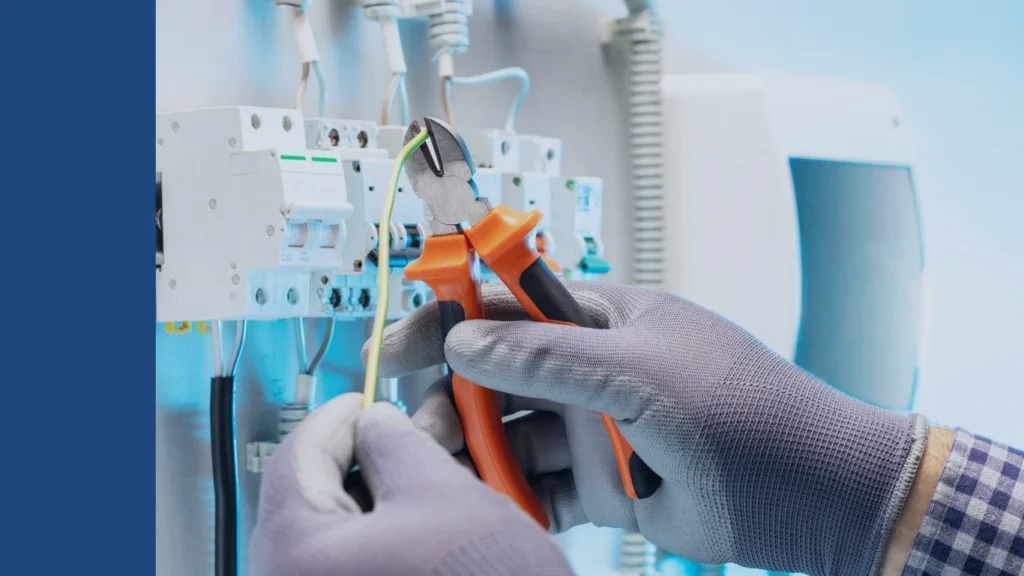
The electrical panel (or breaker box) is the heart of the system. During an inspection, the pro will look for “double-tapping” (where two wires are shoved into one breaker) and signs of rust or corrosion.
They’ll also check to see if you have enough “amps” for your lifestyle. If you just bought a hot tub or a Tesla, your old 100-amp panel might be crying uncle. An upgrade to a 200-amp panel is a common recommendation that makes a world of difference.
The Cost of Safety vs. The Cost of Neglect
A standard home electrical inspection usually costs between $200 and $500, depending on the size of your house.
Compare that to the average cost of an electrical fire insurance claim, or even just the cost of replacing a fried $2,000 smart fridge because of a power surge. When you look at it that way, an inspection is one of the cheapest forms of “insurance” you can buy for your home.
Final Thoughts
Electricity is one of those things we take for granted until it stops working—or worse, starts acting up. While DIY projects are great for painting or tiling, electricity is a “leave it to the pros” category. A licensed electrician has the training to spot invisible dangers that could put your family at risk.
If it’s been more than 10 years since your last inspection, or if you’ve just moved into a new place, give yourself the gift of a good night’s sleep and get it checked out!
Frequently Asked Questions
How often should I have an electrical inspection?
For most homeowners, every 10 years is the standard. However, if you are buying a home, or if your home is over 40 years old, you should have one done more frequently or whenever you notice issues.
Can I do my own electrical inspection?
In short: No. You can look for obvious signs like scorched outlets, but a true inspection requires opening the main panel and using voltage testers—tasks that carry a high risk of electrocution if you aren’t trained.
What is a GFCI outlet?
GFCI stands for Ground Fault Circuit Interrupter. These are the outlets with “Test” and “Reset” buttons. They are designed to shut off power instantly if they detect water or a surge, preventing deadly shocks in bathrooms, kitchens, and outdoors.
Will an inspection lower my insurance?
Often, yes! If an inspection proves that your home has modern copper wiring and a safe breaker panel, some insurance companies will lower your premiums because the risk of a fire claim is significantly lower.
Would you like me to help you find a checklist of questions to ask an electrician before they arrive for your inspection?