
Protecting Your Home and Your Wallet: A Guide to Pest Control Costs
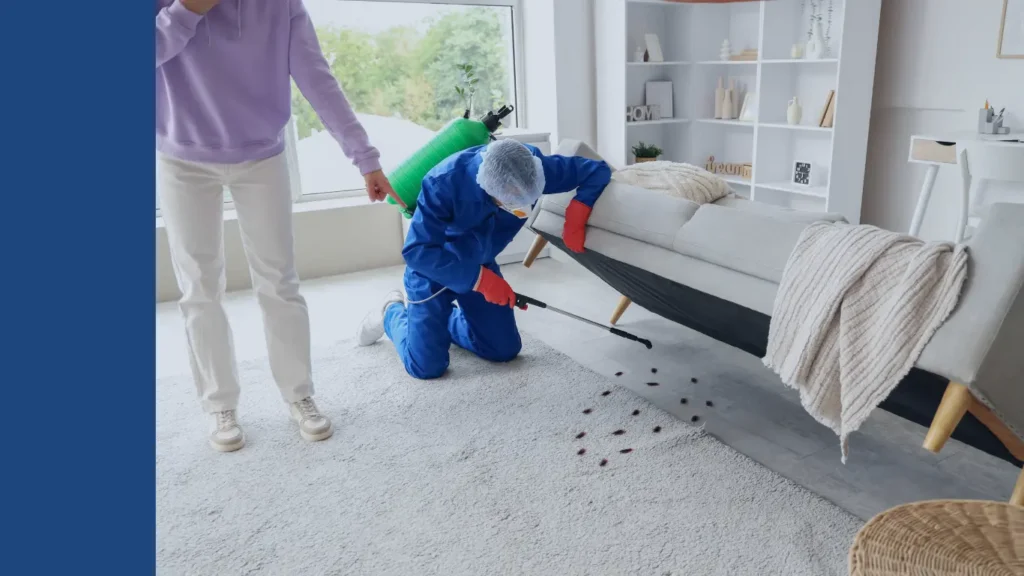
We’ve all been there. You’re reaching for a midnight snack, flip on the kitchen light, and—scoot—something small and multi-legged disappears under the fridge. That sinking feeling in your stomach isn’t just about the bug; it’s about the potential bill. You start wondering: Is my house infested? Do I need a pro? And exactly how much is this going to set me back?
The truth is, pest control is one of those home maintenance tasks that feels like a grudge purchase until you actually need it. But taking care of a problem early is always cheaper than waiting until the termites have started eating the literal foundation of your home.
In this guide, we’re breaking down the costs of pest control in plain English so you can make an informed decision and get back to sleeping soundly.
Key Takeaways
- Average Cost: Most homeowners spend between $200 and $600 for a one-time visit, though specialized treatments (like termites or bed bugs) can climb much higher.
- Maintenance Matters: Quarterly plans (ranging from $100 to $300 per visit) are often more cost-effective for preventing recurring issues.
- Price Factors: The size of your home, the type of “roommate” you’re evicting, and the severity of the infestation are the biggest price drivers.
- DIY vs. Pro: While a $20 spray from the hardware store works for a lone ant, professional help is vital for wood-destroying or health-hazardous pests.
Table of Contents
- Average Pest Control Costs
- One-Time vs. Recurring Visits
- Cost by Type of Pest
- What Factors Influence Your Quote?
- DIY vs. Hiring a Professional
- Final Thoughts
- Frequently Asked Questions
What’s the Damage? Average Pest Control Costs
On average, a professional pest control visit costs about $175 to $350. However, this isn’t a one-size-fits-all number. Think of pest control like car maintenance: a simple oil change (an ant spray) is cheap, but a transmission overhaul (termite tenting) is going to cost you.
- Low End: $100 – $150 (Simple exterior perimeter spray)
- National Average: $300 (General one-time interior/exterior treatment)
- High End: $2,000 – $8,000+ (Severe termite fumigation or heat treatment for bed bugs)
One-Time Treatment vs. Maintenance Plans
Should you just call someone when you see a bug, or sign up for a “subscription”?
One-Time Service ($200 – $600)
This is usually a “knock-down” service. If you have a specific wasp nest or a sudden influx of spiders after a rainstorm, a one-time visit might do the trick. The price is higher because the technician has to do a deep inspection and use more product to get the initial situation under control.
Quarterly or Monthly Plans ($40-100 per month)
Most pros recommend a maintenance plan. Usually, there is an initial setup fee ($150-$300) followed by regular visits.
- Example: A homeowner in a wooded area might pay $130 every three months. The pro checks for entry points, refreshes the “barrier” around the house, and ensures the local mouse population isn’t eyeing the attic for winter. Over time, this prevents the $1,000 “emergency” call-out.
Cost by Type of Pest: Who Are You Evicting?
Not all pests are created equal. Some are just a nuisance, while others are destructive.
- Ants ($150 – $450): Common house ants are usually a quick fix. However, Carpenter Ants require more work because they live inside your wood framing.
- Cockroaches ($100 – $400): These guys are hardy. Treatment usually involves baits and growth regulators. If it’s a heavy infestation (like German Roaches), you might need multiple rounds.
- Rodents ($200 – $600): This usually includes “exclusion” (sealing the holes where they get in) and trapping.
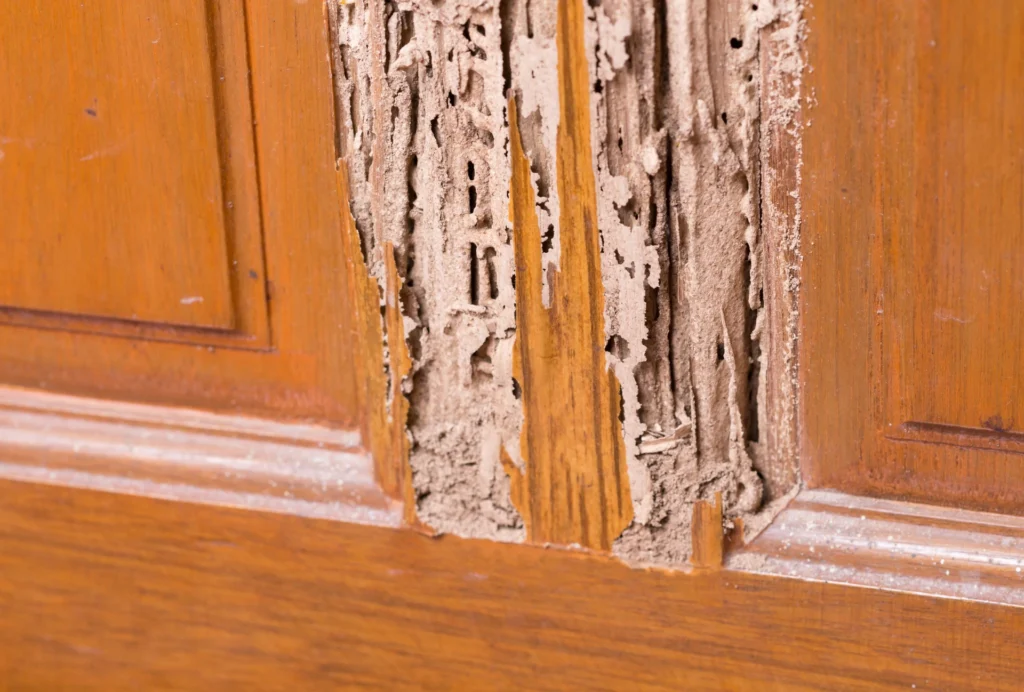
- Termites ($500 – $3,000+): These are the heavy hitters. Costs vary wildly based on whether they use bait stations or liquid soil barriers.
- Bed Bugs ($1,000 – $4,000): Because bed bugs are resistant to many chemicals, pros often use specialized heat equipment to bake them out. It’s labor-intensive and expensive, but effective.
What Factors Influence Your Quote?
When a technician walks through your door, they are looking at a few specific things to determine the price:
- The Size of Your Home: More square footage means more baseboards to spray and more perimeter to protect. A 4,000-square-foot home will naturally cost more to treat than a 1,200-square-foot condo.
- The Infestation Level: If you have “a few” fleas, that’s one thing. If your carpet “moves” when you walk on it, that’s a massive job requiring more chemicals and time.
- Type of Treatment: Eco-friendly or “green” treatments can sometimes cost 10-20% more because the products are more expensive to source, though they are great for homes with curious pets and toddlers.
DIY vs. Hiring a Professional: When to Call for Backup
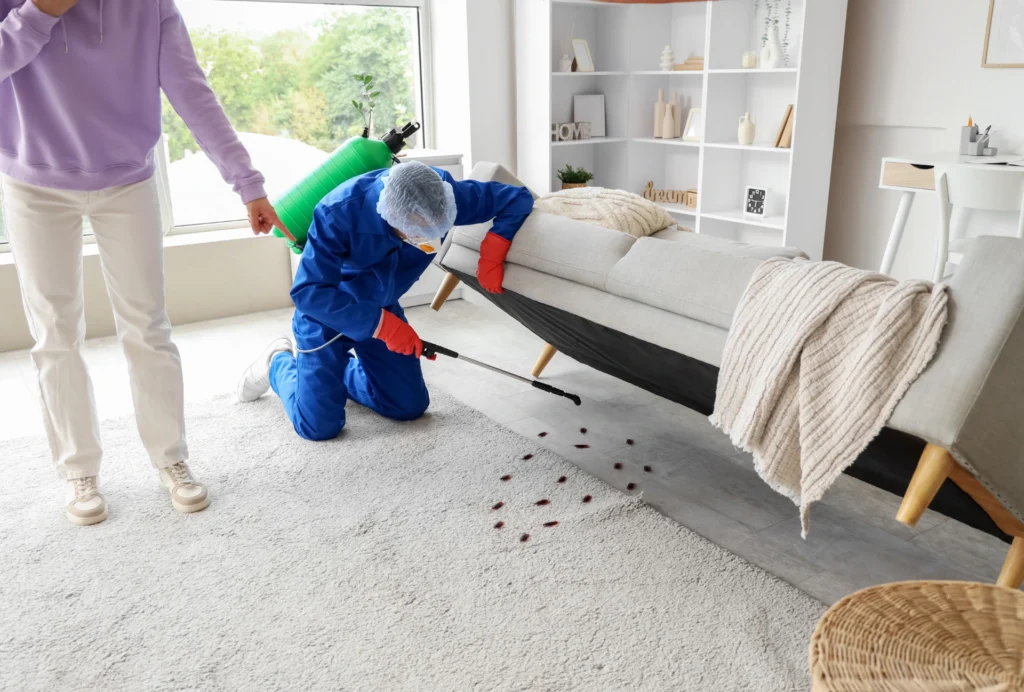
We love a good weekend project, but pest control is one area where DIY can actually make things worse.
- When to DIY: If you see a few fruit flies or a single trail of ants leading to a spilled soda, go ahead and grab some store-bought traps.
- When to Call a Pro: If you see “sawdust” (frass) near your baseboards, find wings on your windowsills, or hear scratching in the walls at night, stop. Using the wrong spray can actually cause some pests (like certain ants) to “bud,” meaning the colony splits and spreads to more rooms in your house.
Pro Tip: A professional has access to commercial-grade products that aren’t available at the big-box stores. More importantly, they have the training to find the source, not just kill the bugs you see on the surface.
Final Thoughts
At the end of the day, pest control is about peace of mind. Your home is likely your biggest investment; spending a few hundred dollars a year to keep it from being chewed on or invaded is just smart math.
If you’re seeing signs of uninvited guests, don’t wait for it to become a crisis. Get a few quotes, ask about their guarantee, and make sure they are licensed and insured. Your kitchen (and your sanity) will thank you!
Frequently Asked Questions
Is pest control worth it for a new house?
Absolutely. In fact, many builders do a “pre-treatment” for termites, but pests can move into a new build just as easily as an old one—especially since the construction process disturbs the soil they live in.
Are the chemicals safe for my pets?
Most modern pest control companies use products that are safe once they have dried. Always tell your technician if you have pets so they can use specific bait stations that are “tamper-resistant” to curious paws.
How long does a treatment take to work?
You might actually see more bugs for the first 3-5 days after a treatment. This is normal! The treatment disrupts their hiding spots and makes them move around before they succumb to the product. Generally, you should see a massive drop-off within 7 to 10 days.
