What Is Hydro Jetting and How to Know If Your Home Needs It
You’ve tried plungers, liquid drain cleaners, maybe even rented a snake and yet that kitchen sink still drains slower than molasses in January. If this sounds familiar, it might be time to learn about hydro jetting, a professional drain-cleaning solution that goes well beyond basic fixes.
Key Takeaways
- Hydro jetting is a high-pressure water cleaning method pros use to remove stubborn clogs and buildup inside your pipes.
- It’s more thorough than traditional snaking because it cleans the entire pipe wall, not just the blockage.
- Common signs you might need it include slow drains, recurring clogs, foul odors, or gurgling sounds in pipes.
- This should be done by a trained professional plumber to avoid damage and ensure safety.
Table of Contents
- What Is Hydro Jetting?
- How Hydro Jetting Works
- When Your Home Might Need Hydro Jetting
- Hydro Jetting vs. Traditional Drain Cleaning
- Benefits of Hydro Jetting for Homeowners
- What Hydro Jetting Can Remove
- Cost Considerations and Professional Help
- Final Thoughts
- Frequently Asked Questions
What is Hydro Jetting?
Hydro jetting is a specialized plumbing service that uses high-pressure water streams to blast through and clear stubborn clogs, grease, mineral deposits, soap scum, and other buildup inside your drains and sewer lines. Think of it as a pressure washer for the inside of your pipes powerful, precise, and effective.
Unlike DIY solutions or store-bought cleaners that only tackle the surface, hydro jetting cleans the full circumference of your pipe, giving your system a fresh start and reducing the chance of the same problem popping up again.
How Hydro Jetting Works
Here’s what happens when a pro performs hydro jetting:
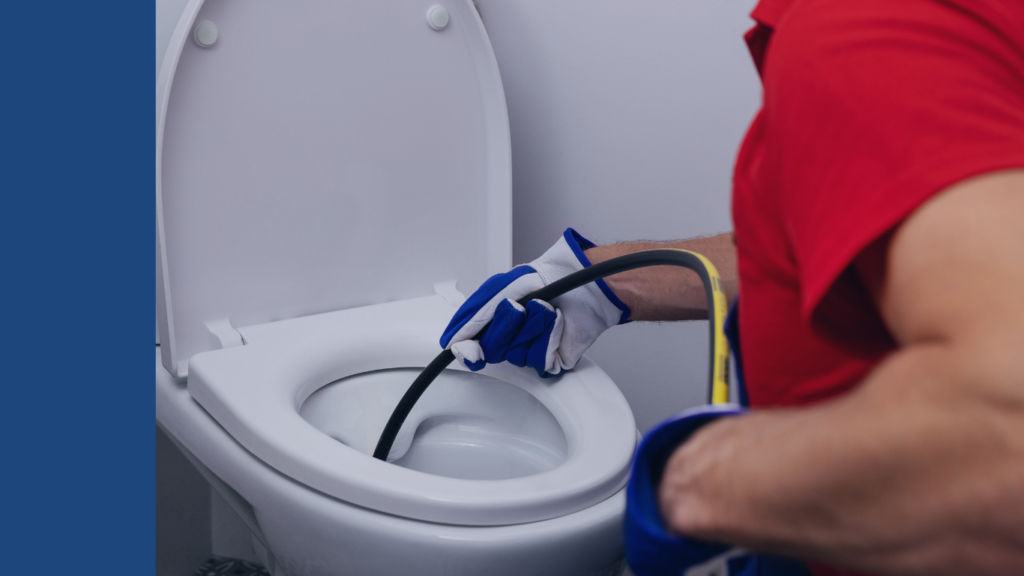
- Video Pipe Inspection (Before Anything Else) A plumber typically inserts a small camera into your drain to locate clogs and check pipe condition. This prevents damage and helps set the right water pressure.
- High-Pressure Water Cleaning A flexible hose with a special nozzle gets dropped inside your pipe. The hydro jet machine pushes water at thousands of PSI strong enough to wash away buildup and most stubborn blockages.
- Flushing Debris Out As the pressure cleans the pipe walls, dislodged material is carried safely out of your system, restoring normal flow and helping avoid backups.
- Optional Follow Up Inspection
After cleaning, the plumber may run the camera again to confirm that everything is cleared.
Because of the intense pressure involved, hydro jetting is not a DIY job this is one of those tasks that really does require an experienced professional to do safely and effectively.
When Your Home Might Need Hydro Jetting
Watch for these common signs that your plumbing system needs more than a quick fix:
Slow Drains That Don’t Improve
If water barely trickles out of your sink or bathtub even after using a plunger, that suggests buildup deep in the pipes.
Frequent Clogs in Multiple Fixtures
When clogs show up in more than one drain, the problem is likely in the main sewer line, not just one branch.
Foul Odors from Drains
Persistent smells, especially a rotten-egg scent, usually mean debris or organic matter stuck inside your pipes.
Gurgling or Bubbling Sounds, Recurring Clogs Despite Attempts to Fix Them
This can happen when air gets trapped by partial blockages a sign you might need professional cleaning.
Recurring Clogs Despite Attempts to Fix Them
When simple methods fail repeatedly, it’s a clue that surface-level fixes aren’t enough.
Hydro Jetting vs. Traditional Drain Cleaning
Here’s how hydro jetting compares to more familiar approaches:
Hydro Jetting
- Pros: Deeper clean, removes grease and buildup on pipe walls, prevents future clogs.
- Cons: More expensive upfront, requires professional equipment and expertise.
Snaking (Drain Auger)
- Pros: Good for minor clogs, cheaper, quick.
- Cons: Only makes a hole through the blockage; doesn’t remove buildup on the walls.
Chemical Drain Cleaners
- Pros: Convenient and inexpensive.
- Cons: Can harm pipes and doesn’t solve the underlying cause.
In many cases, plumbers recommend hydro jetting after snaking or chemical treatments fail because it truly cleans the full system instead of just poking through the surface.
Benefits of Hydro Jetting for Homeowners
Here’s why many homeowners choose hydro jetting:
- More thorough cleaning it cleans the entire pipe interior rather than just opening a small hole.
- Lasting results pipes stay clearer longer, meaning fewer service calls.
- No harsh chemicals uses only water, which is safer for your plumbing and the environment.
- Helps prevent future clogs removing buildup reduces the chance of repeat problems.
What Hydro Jetting Can Remove
Hydro jetting can handle a variety of stubborn blockages, including:
- Grease and fat buildup from kitchen sinks.
- Soap scum and hair in bathroom drains.
- Mineral and scale deposits from hard water.
- Small tree roots that have invaded sewer pipes.
- Foreign objects accidentally flushed down toilets.
Cost Considerations and Professional Help
Hydro jetting typically costs more than basic snaking or store-bought solutions, but it’s often worth it because you’re investing in a long-lasting clean that reduces repeat problems.
Because the process involves high pressure and heavy equipment, always hire a licensed and experienced plumber to assess your situation, perform a video inspection, and carry out the work safely.
Final Thoughts
When your home’s drains are slow, smelly, or repeatedly clogged, that’s a clear sign it’s time to think beyond quick DIY fixes. Hydro jetting is one of the most effective ways to restore your plumbing’s flow and help prevent future issues but it’s a job best left to plumbing professionals who know how to use the right tools safely and effectively.
Frequently Asked Questions
How often should I hydro jet my drains?
Experts typically recommend every 18–24 months for preventive maintenance, but it depends on usage and pipe condition.
Can hydro jetting damage my pipes?
If your plumbing is very old or fragile, the high pressure could cause damage. That’s why a professional inspection is crucial before the procedure.
Is hydro jetting safe for all types of homes?
Yes, in most cases as long as a licensed plumber confirms the pipes are in good condition beforehand.
Will hydro jetting fix every clog?
It handles most tough blockages, but sometimes repairs or replacements are needed for severely damaged sewer lines.