
Septic Tank Pumping Cost Guide
Let’s be honest: nobody wakes up excited to think about their septic tank. It’s one of those “out of sight, out of mind” parts of your home—until it isn’t. If you’re starting to notice a slow drain or a funky smell in the yard, you’re probably wondering how much a pump-out is going to set you back. The good news? Regular pumping is a lot cheaper than replacing the whole system.
In this guide, we’ll break down the costs, the “why,” and the signs that it’s time to call in a pro.
Key Takeaways
- Average Cost: Most homeowners pay between $250 and $600 for a standard pumping service.
- Frequency: You should typically pump your tank every 3 to 5 years, depending on household size.
- Main Factors: Tank size, local labor rates, and how easily the technician can access the lid will impact your final bill.
- Pro Tip: Keeping a map of your tank’s location can save you money on “search and dig” fees.
Table of Contents
- How Much Does Septic Tank Pumping Cost?
- Factors That Influence the Price
- Signs Your Tank Needs Pumping
- Why You Shouldn’t DIY This Job
- Final Thoughts
- Frequently Asked Questions
How Much Does Septic Tank Pumping Cost?
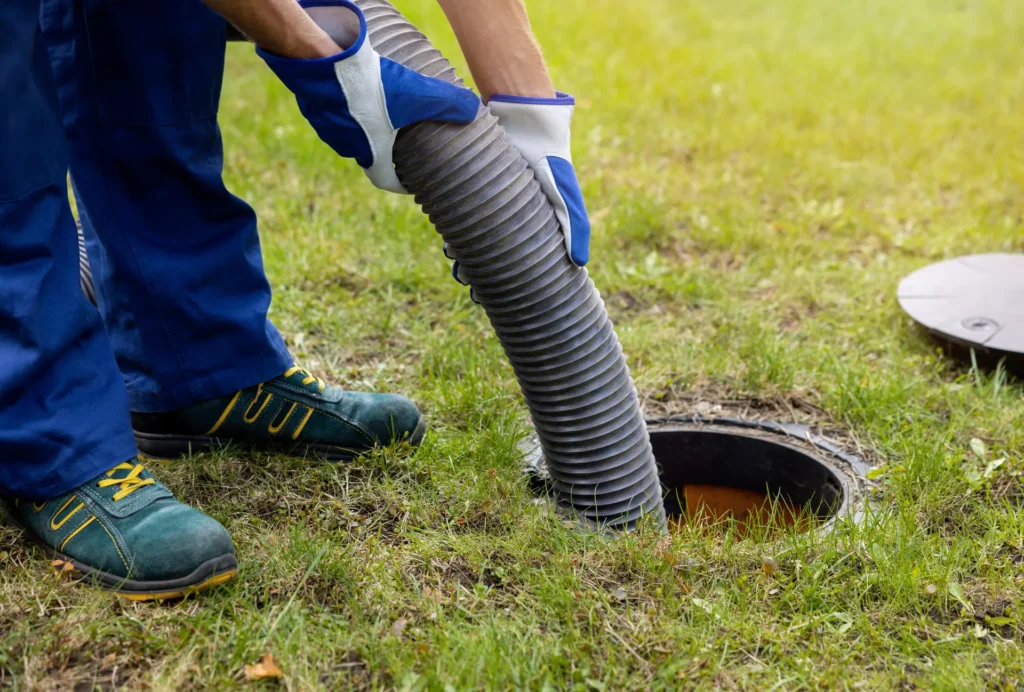
On average, a septic tank pumping service costs about $400. However, depending on where you live and the size of your tank, you might see prices as low as $225 or as high as $800.
Think of this like an oil change for your house. It’s a necessary piece of maintenance that keeps the “engine” (your plumbing) running smoothly. If you skip it, the solid waste (sludge) can build up and overflow into your drain field, which can lead to repairs costing $5,000 or more.
Real-World Example: > The Miller family in a suburban area has a 1,000-gallon tank. Their local pro charges a flat fee of $350 for the pump-out, provided the lid is already uncovered. Because they stay on top of it every four years, they never pay extra for “heavy sludge”
Factors That Influence the Price
Not every septic job is created equal. Here are the big things that will move the needle on your quote:
1. Tank Size
This is the biggest factor. A 750-gallon tank is much faster to empty than a 1,500-gallon tank. Most companies charge based on the total volume of waste they have to haul away and dispose of.
2. Access and Digging
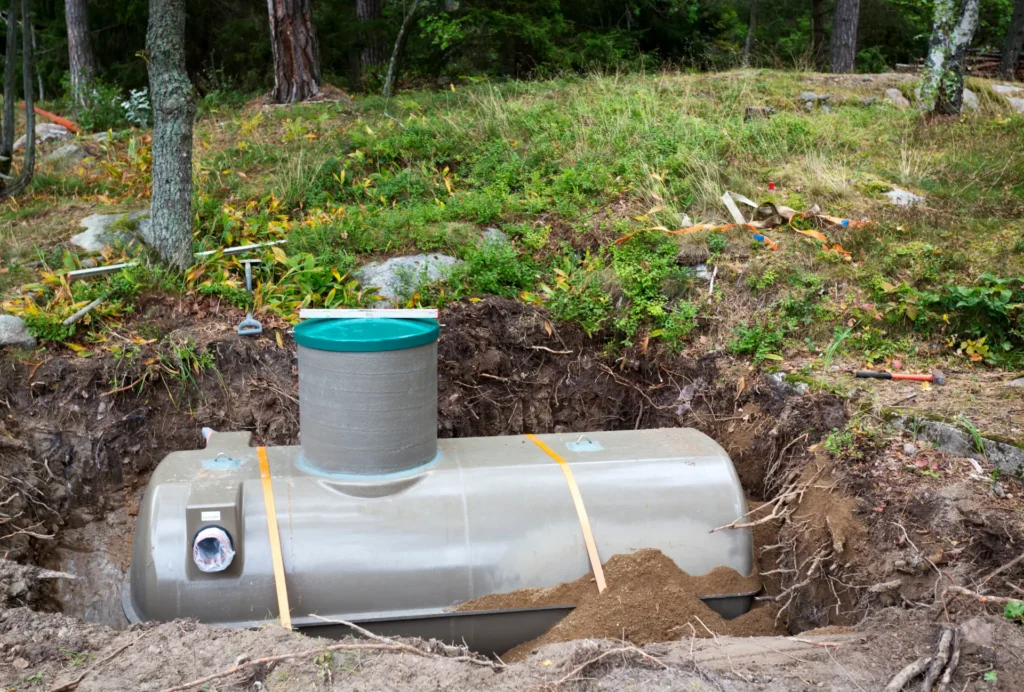
Is your septic lid buried two feet underground? If the technician has to spend an hour digging through dirt and landscaping to find the opening, expect to see a “dig fee” of $50 to $150.
3. Sludge Levels
If it’s been ten years since your last pump, the waste might be extra thick. Technicians may need to use high-pressure water (a process called “jetting”) to break up the solids, which adds to the labor cost.
4. Location and Disposal Fees
Local environmental regulations dictate where the waste can be taken. If the nearest treatment plant is an hour away, your local pro will likely factor that travel time and those disposal fees into your price.
Signs Your Tank Needs Pumping
If you aren’t sure when the last service was, your house will usually start giving you hints. Keep an eye (and a nose) out for these:
- The “Slow Flow”: If all the drains in your house are sluggish, it’s probably not a simple clog in the sink; it’s likely the tank.
- Strange Noises: Do your pipes gurgle after you flush the toilet? That’s air being pushed back because the tank is full.
- The Lush Green Patch: Is there one spot in your yard where the grass is suspiciously green and fast-growing? That could be a sign that nutrient-rich liquid is leaking out where it shouldn’t.
- The Smell: This is the most obvious one. If the yard smells like a sewer, call a pro immediately.
Why You Shouldn’t DIY This Job
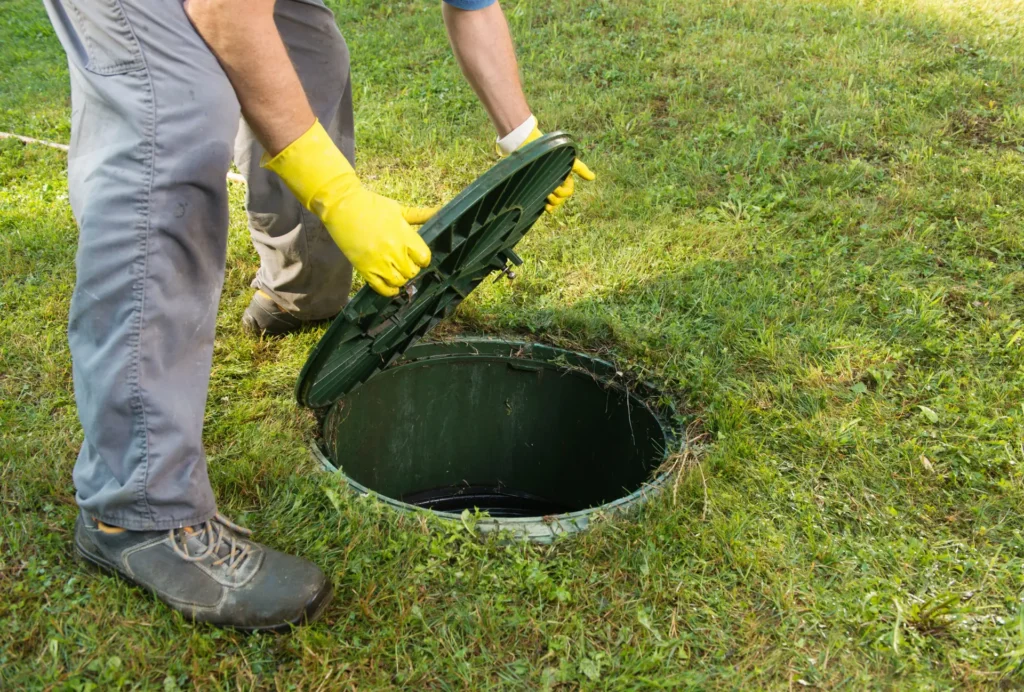
We love a good weekend DIY project as much as anyone, but septic pumping is not one of them.
First, there’s the safety risk. Septic tanks produce toxic gases like methane and hydrogen sulfide. These aren’t just smelly; they can be deadly in enclosed spaces. Second, you need a heavy-duty vacuum truck and a legal place to dump thousands of gallons of waste.
A professional isn’t just there to pump; they are there to inspect. They’ll check the baffles (the pipes that direct flow) and the overall health of the tank to make sure you don’t have a hidden crack that could cause a collapse. For a few hundred dollars, the peace of mind is well worth it.
Final Thoughts
Septic maintenance is all about being proactive. Spending $400 every few years is a small price to pay to avoid a $10,000 yard excavation later. If you can’t remember the last time your tank was serviced, now is the perfect time to get a quote and get it on the calendar!
Frequently Asked Questions
How often should I pump my septic tank?
Most experts recommend every 3 to 5 years. If you have a large family (lots of laundry and showers), aim for every 2 or 3 years.
Does using additives mean I don’t have to pump?
Short answer: No. While some additives can help break down solids, they don’t get rid of everything. You still need to physically remove the sludge eventually.
Can I drive over my septic tank?
Avoid it! The weight of a vehicle can crack the tank or crush the pipes in your drain field. Stick to walking or light lawnmowers only.
What happens if I never pump my tank?
Eventually, the solid waste will reach the outlet pipe and flow into your drain field. This clogs the soil, causes sewage to back up into your house, and usually requires a total—and very expensive—system replacement.