How Much Does a Water Softener Installation Cost? (2026 Guide)
If you’ve ever noticed white, crusty buildup on your faucets or felt like your soap just won’t lather no matter how hard you scrub, you’re likely dealing with “hard water.” It’s a common headache for homeowners, and the best way to kick it to the curb is with a water softener. But before you dive in, you probably want to know: What is this going to cost me?
While you can find a basic unit at a big-box store for a few hundred bucks, a professional setup involves a bit more than just plugging it in. Let’s break down the costs so you can plan your budget without any surprises.
Key Takeaways
- National Average: Most homeowners spend between $1,000 and $3,000 for a mid-range system and professional installation.
- Price Range: Costs can go as low as $500 for a small DIY unit or up to $6,000+ for high-end, whole-home filtration systems.
- Labor Costs: Hiring a pro typically costs $150 to $1,000, depending on how much “plumbing surgery” your pipes need.
- Long-Term Value: A good system can last 15 years and save you thousands in plumbing repairs and appliance replacements.
Table of Contents
- Average Water Softener Installation Costs
- Cost Breakdown by System Type
- Factors That Affect Your Total Bill
- DIY vs. Professional Installation
- Real-World Examples
- Final Thoughts
- FAQ
Average Water Softener Installation Costs
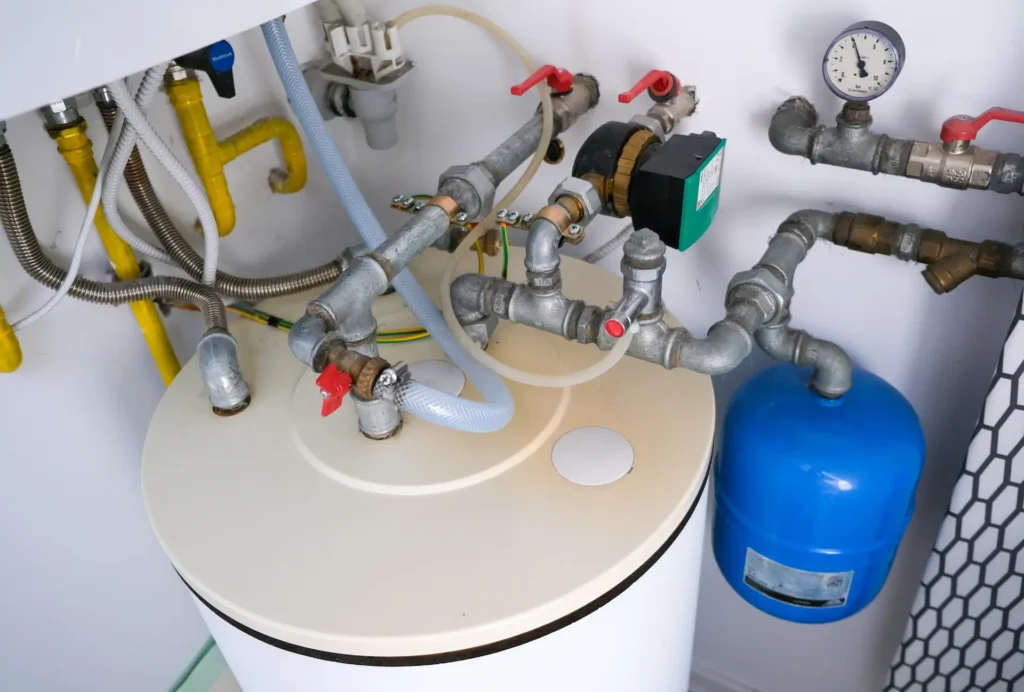
Most homeowners find themselves in the $1,500 range for a standard salt-based system. If your home is already “plumbed for a softener” (meaning there’s a bypass loop ready to go), the labor will be on the lower end. If your plumber has to cut into main lines or move things around, that’s where the price starts to climb.
Cost Level | Average Range (Installed) |
Low End | $500 – $1,000 |
Mid-Range | $1,200 – $3,500 |
High End | $4,000 – $6,000+ |
Cost Breakdown by System Type
Not all softeners work the same way. The technology inside the tank is the biggest factor in the price of the unit itself.
Ion Exchange (Salt-Based)
- Cost: $500 – $2,500 (Unit only)
- The Scoop: These are the most common. They swap “hard” minerals (calcium and magnesium) for sodium. They are incredibly effective but require you to lug heavy bags of salt into the garage every month or two.
Salt-Free Systems (Water Conditioners)
- Cost: $800 – $4,000
- The Scoop: These don’t actually remove the minerals; they just “crystallize” them so they don’t stick to your pipes. They’re great if you’re on a low-sodium diet or don’t want to deal with salt bags.
Dual-Tank Systems
- Cost: $1,000 – $5,000
- The Scoop: If you have a big family and use water 24/7, a single tank might leave you with hard water during its “regeneration” cycle (usually at 2 AM). Dual tanks take turns, so you always have soft water.
Factors That Affect Your Total Bill
It’s rarely just about the price tag on the box. Here’s what else a pro will look at:
Grain Capacity:
This is basically the “size” of the unit. A household of two might need a 24,000-grain unit, while a family of six might need 48,000 or more. More capacity = more money.Water Hardness:
If your water is “liquid rock,” you’ll need a more heavy-duty system that can handle the constant mineral load.Plumbing Complexity:
If your main water line is tucked behind a finished wall or in a tight crawlspace, expect to pay more for the plumber’s time and effort.Permits:
Depending on where you live, you might need a local permit (usually $50–$200) to ensure the installation meets building codes.
DIY vs. Professional Installation
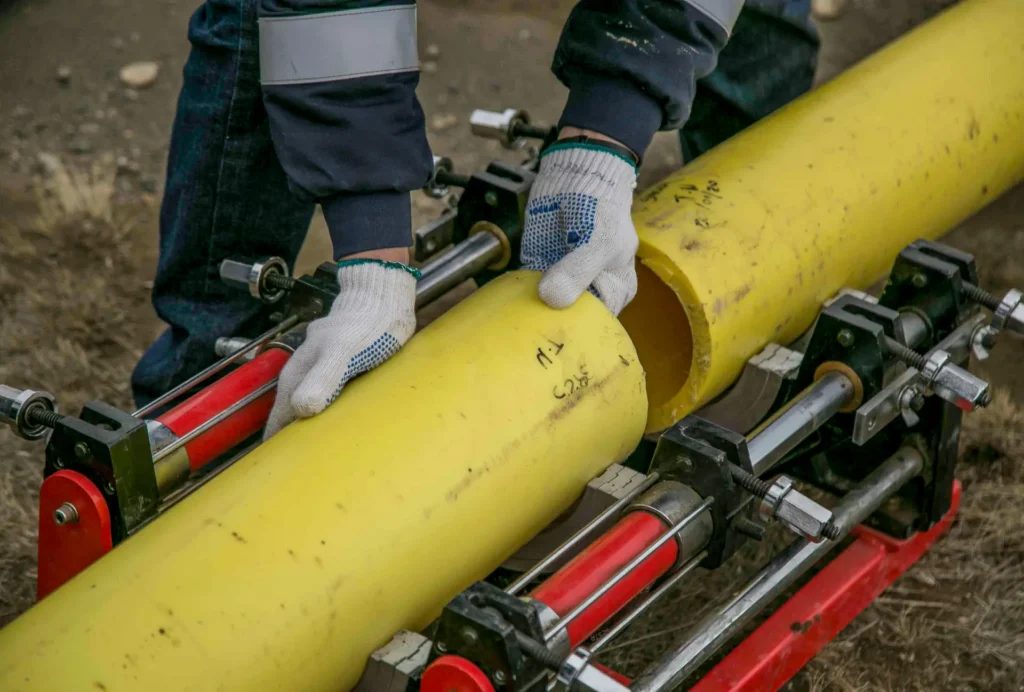 We love a good weekend project as much as anyone, but plumbing is one area where “oops” can be expensive.
- The DIY Route: You might save $500 to $1,000 in labor. If you’re comfortable cutting copper or PEX pipe and have the right tools, it’s doable. However, if you hook it up wrong, you could flood your basement or ruin your new unit—and most manufacturers won’t honor a warranty if it wasn’t installed by a pro.
- The Pro Route: A licensed plumber or water specialist will ensure the drainage is set up correctly and the settings are tuned to your specific water hardness. Expert tip: Peace of mind is usually worth the extra few hundred dollars.
Real-World Examples
To give you a better idea of what this looks like in the wild, check out these scenarios:
- The “Ready-to-Go” Suburban Home: Sarah lives in a house built in 2015 that has a pre-installed softener loop. She buys a mid-range salt-based unit for $800 and pays a local plumber $300 to hook it up. Total: $1,100.
- The Older Fixer-Upper: Mike lives in a 1960s home with old galvanized pipes and no existing loop. He needs a high-capacity system for his large family. The unit costs $1,500, but the plumber has to spend six hours re-routing pipes and adding a drain line, costing $1,200. Total: $2,700.
Final Thoughts
Investing in a water softener is really an investment in your home’s health. It protects your expensive appliances (like your water heater and dishwasher) and makes your daily life a little more comfortable. While the upfront cost of $1,500 to $2,500 might feel steep, the savings on soap, skin products, and plumbing repairs over the next decade will more than pay for itself.
If you’re ready to make the switch, we recommend getting at least three quotes from local pros to ensure you’re getting the right system for your specific water type.
FAQ
Q: How long does it take to install a water softener?
A: If your home is already plumbed for one, a pro can usually knock it out in 2 hours. A complex install might take a full morning or afternoon (4–6 hours).
Q: Do I need to buy a specific brand?
A: Not necessarily. While big brands like Culligan or EcoWater offer great service, many local plumbers install high-quality “non-proprietary” systems that are easier and cheaper to repair down the road.
Q: Will a water softener affect my water pressure?
A: If sized correctly, no. However, if you buy a unit that’s too small for your home’s flow rate, you might notice a slight drop in pressure when multiple showers are running.
Q: How much is the monthly maintenance?
A: For a salt-based system, you’re looking at about $10–$25 a month for salt. It’s also a good idea to have a pro look at it once a year for a quick tune-up (around $100–$150).