What Does a Walk-In Shower Really Cost in 2026?
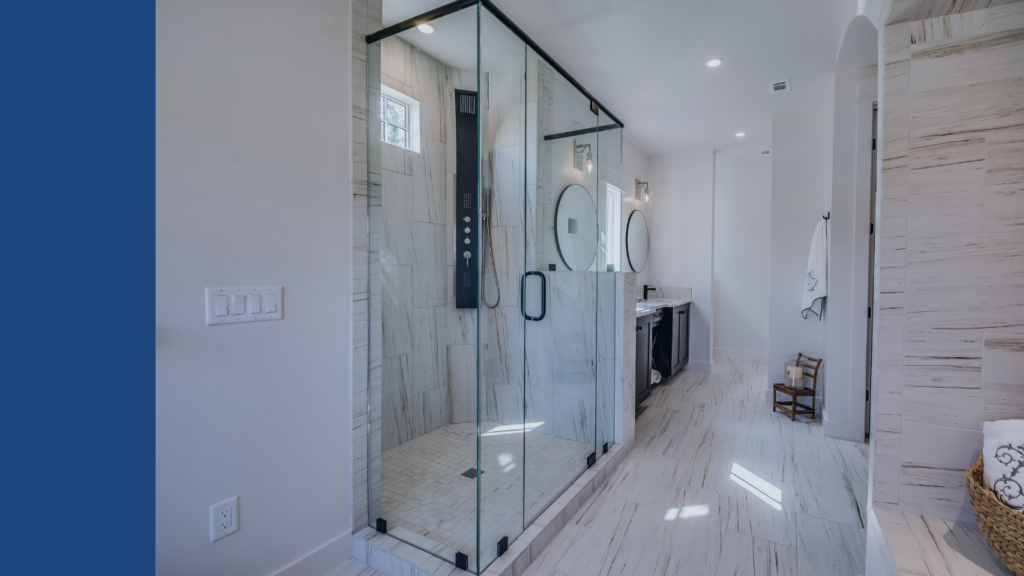
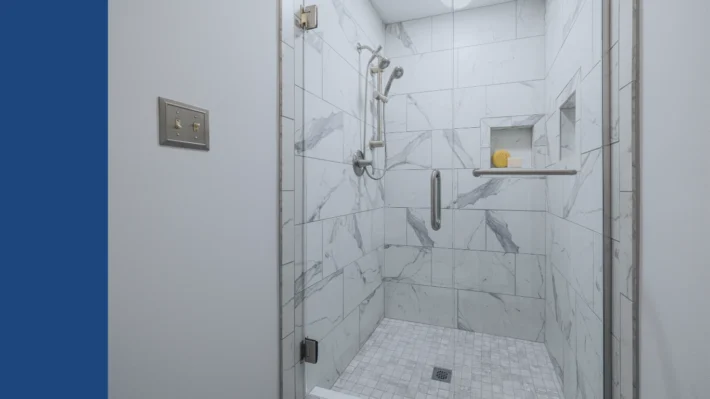
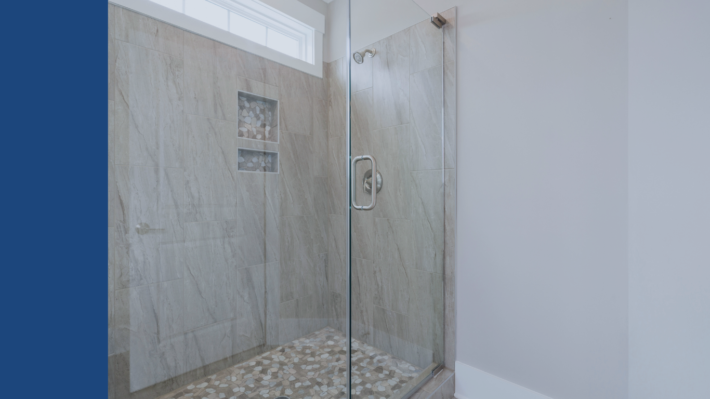
Let’s be real: your bathroom should work for you, not against you. The average cost of a walk-in shower installation is $9,000, though most homeowners spend between $3,500 and $15,000 depending on size, materials, and how custom you want to go. The range comes down to the options available from prefab units to fully custom tile-and-glass builds. This blog will go over what a walk-in shower will actually cost based on your space, style, and budget.
Key Takeaways
- The average walk-in shower installation costs between $6,000 and $12,000, with a national average around $9,000–$12,000.
- Prefabricated (prefab) units are the most budget-friendly, starting as low as $4,000 installed.
- Custom tiled showers can range from $8,000 to $20,000+ depending on materials and complexity.
- Labor typically accounts for 30–50% of your total project cost.
- Always budget an extra 10–15% for surprises like hidden water damage or plumbing adjustments.
- Hiring a licensed contractor is strongly recommended improper waterproofing is the #1 cause of costly shower repairs.
Table of Contents
- Walk-In Shower Cost Overview: What to Expect in 2026
- Prefab vs. Custom Walk-In Showers: Which Is Right for You?
- Walk-In Shower Cost by Size
- Walk-In Shower Materials and Their Price Tags
- Labor Costs: What You’re Paying the Pros For
- Hidden Costs That Can Sneak Up on You
- Tub-to-Shower Conversion: Costs and Considerations
- Accessibility Features: Aging-in-Place Upgrades
- Does a Walk-In Shower Add Home Value?
- How to Save Money on Your Walk-In Shower Installation
- Final Thoughts
- Frequently Asked Questions
If you’ve been Googling shower costs lately, you’ve probably noticed the numbers vary wildly from a few thousand dollars to well over $20,000. Here’s the breakdown:
|
Project Type |
Typical Cost Range |
Best For |
|
Basic Prefab Install |
$4,000 – $7,000 |
Budget-conscious, quick upgrades |
|
Mid-Range Tiled Shower |
$8,000 – $13,000 |
Most homeowners, good balance of value |
|
High-End Custom Shower |
$14,000 – $20,000+ |
Luxury finishes, full custom design |
|
National Average |
~$9,000 – $12,000 |
Typical professionally installed project |
Want a more accurate price for your specific bathroom? Trusted Home Quotes lets you compare free quotes from local shower installation pros in your area.
Prefab vs. Custom Walk-In Showers: Which Is Right for You?
The biggest decision you’ll make is choosing between a prefabricated shower unit and a fully custom build. This choice will shape your budget more than almost anything else.
Prefabricated (Prefab) Showers
Prefab showers are factory-made units typically fiberglass or acrylic that come in standard sizes and get assembled by a plumber or contractor.
- Cost: $4,000 – $7,000 installed
- Installation time: Usually completed in 1–2 days
- Best for: Secondary bathrooms, rental properties, budget-conscious renovations
- Downside: Limited style options; may not work for non-standard spaces
Custom Walk-In Showers
A custom shower is built from scratch. You choose the footprint, the wall materials, the floor, the fixtures, everything. The result is a shower that fits your bathroom and your personality perfectly with the addition of more time and more money.
- Cost: $8,000 – $20,000+ installed
- Installation time: 1 to 2 weeks, depending on complexity
- Best for: Primary bathrooms, homeowners prioritizing aesthetics and longevity
- Downside: Higher cost; more decisions to make upfront
Not sure which option fits your budget? Trusted Home Quotes connects you with local contractors so you can compare real pricing and find the best fit.
|
**Pro Tip: ** If your bathroom has a non-standard layout like an angled ceiling, a sloped floor, or an oddly shaped alcove a custom build is almost always the better call. Prefab units are designed for standard spaces, and forcing one into an awkward layout often leads to leaks and headaches. |
Walk-In Shower Cost by Size
Shower size is a primary driver factor in final cost. More square footage means more tile, more waterproofing, more labor, and potentially more plumbing work.
|
Shower Size |
Square Footage |
Estimated Cost Range |
|
Small (32″ x 32″) |
~7 sq ft |
$3,500 – $7,000 |
|
Standard (36″ x 36″) |
~9 sq ft |
$5,000 – $10,000 |
|
Medium (36″ x 48″) |
~12 sq ft |
$7,000 – $12,000 |
|
Large (48″ x 60″) |
~20 sq ft |
$10,000 – $16,000 |
|
Oversized / Walk-Through |
25+ sq ft |
$14,000 – $25,000+ |
Keep in mind: a standard contractor charges roughly $200–$250 per square foot for a tiled walk-in shower, covering materials and labor. That rate climbs quickly with premium tile.
Walk-In Shower Materials and Their Price Tags
After size, materials are the single biggest cost driver in any shower project. Here’s a rundown of your main options:
|
Material |
Cost per Sq Ft (Materials Only) |
Durability |
Best For |
|
Fiberglass / Acrylic |
$1 – $8 |
Good (5–10 yrs) |
Budget builds, quick installs |
|
Ceramic Tile |
$2 – $15 |
Very Good (15+ yrs) |
Mid-range projects, wide variety |
|
Porcelain Tile |
$3 – $25 |
Excellent (20+ yrs) |
Most popular mid-to-high tier choice |
|
Natural Stone (marble/granite) |
$10 – $50+ |
Excellent (20+ yrs) |
Luxury bathrooms, high-end design |
|
Solid Surface (quartz) |
$30 – $65 |
Excellent (20+ yrs) |
Seamless look, low maintenance |
|
Cultured Marble |
$15 – $40 |
Good |
Upscale prefab feel without full custom cost |
Labor Costs: What You’re Paying the Pros For
Labour typically makes up 30–50% of your total walk-in shower project cost. Here’s what skilled labor covers:
Demo and removal: $500 – $1,500. Tearing out the old tub or shower, hauling debris, and prepping the space.
Plumbing: $500 – $2,000+. Connecting your new shower to existing plumbing.Costs increase if you’re moving the shower location or upgrading your showerhead.
Waterproofing: $300 – $700. A critical step is proper waterproofing membranes behind your tile to prevent mold, structural damage, and expensive repairs down the line.
Tile installation: $8 – $15 per sq ft in labor. Complex patterns take longer and cost more.
Glass door or enclosure: $500 – $3,000+. Frameless glass panels are on the high end and a basic framed sliding door is more affordable.
Labor makes up a big part of your cost Trusted Home Quotes helps you compare multiple contractor quotes so you don’t overpay.
Hidden Costs That Can Sneak Up on You
Permits: $250 – $500. Most municipalities require a permit for structural bathroom work.
Hidden water damage: $500 – $5,000+. Old bathrooms often hide mold, rot, or damaged subfloor behind the walls.
Plumbing upgrades: $200 – $2,000. Older homes may have galvanized or corroded pipes that need replacing before a new shower can be installed.
Ventilation: $300 – $800. Better showers need better airflow. A new or upgraded exhaust fan is often needed to prevent moisture buildup and mold.
Heated flooring: $700 – $2,500. Radiant heat under your tile adds daily comfort and an increase to your cost.
Niche installation: $200 – $600 per niche. Built-in shelves cost extra to frame and waterproof properly.
|
**Rule of Thumb: ** Add 10–15% to whatever your contractor quotes you as a buffer for unexpected factors. A $10,000 quote becomes a $10,000–$11,500 budget. |
Tub-to-Shower Conversion: Costs and Considerations
One of the most common walk-in shower projects is converting an existing bathtub space into a walk-in shower. This is a great way to save money because your plumbing is already in the right place.
|
Conversion Type |
Cost Range |
Notes |
|
Basic tub-to-prefab shower |
$1,500 – $5,000 |
Uses existing plumbing footprint |
|
Tub-to-custom tiled shower |
$5,000 – $12,000 |
More design options, higher labor |
|
Tub-to-curbless/barrier-free shower |
$8,000 – $17,000 |
Best for accessibility; requires floor work |
Accessibility Features: Aging in Place Upgrades
If you’re designing a shower with accessibility in mind for seniors or people with accessibility requirements, here are the upgrades worth budgeting for:
Grab bars: $100 – $400 installed. Assisting entering, exciting and balancing.
Curbless (zero-threshold) entry: Add $1,000 – $3,000 to your project. Eliminates the lip to step over, essential for wheelchair users.
Built-in bench: $500 – $1,500.
Handheld showerhead: $100 – $400 installed. Useful for seated showering or bathing children and pets..
Why You Should Hire a Professional Shower Installer
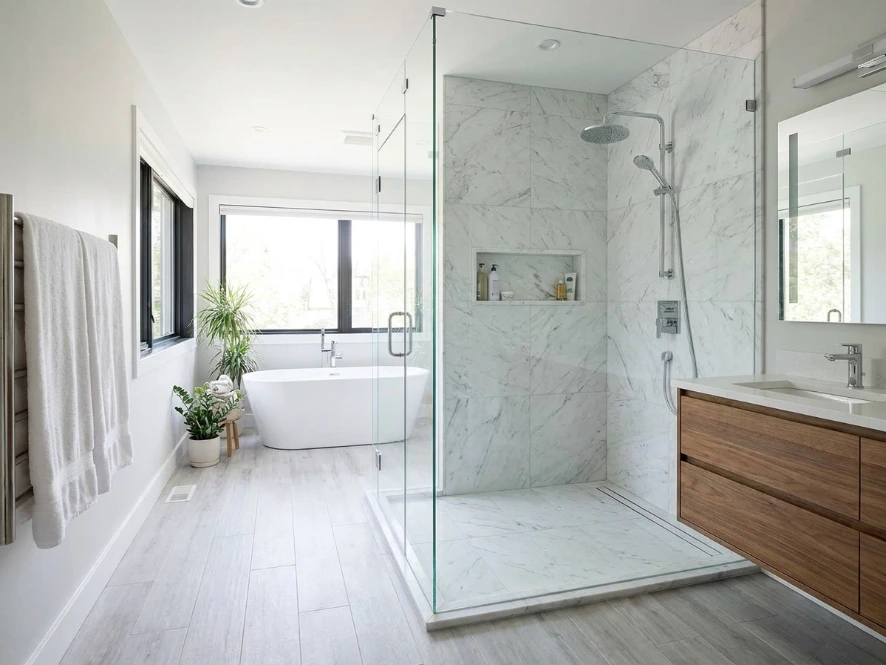
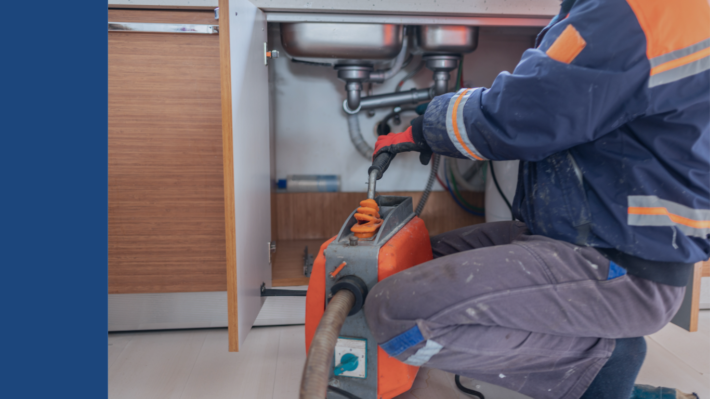
Installing a walk-in shower is a complex process that involves plumbing, waterproofing, flooring, and wall construction. While DIY kits exist, it’s easy to make mistakes that lead to leaks, mold, and structural damage. Hiring a walk-in shower installer near you means paying for labor which will be a significant portion of the total cost but it gives you peace of mind knowing the work is done correctly and in accordance with local building codes.
Here’s Why It’s Ideal to Hire a Shower Installation Pro
A luxurious shower starts with a great installation. Here’s why it’s smart to call a pro for this job:
- Shower installation pros know how to install the right plumbing connections and drainage slope to prevent leaks.
- They can waterproof walls and flooring to protect against moisture.
- Contractors understand building codes and can get the needed permits, saving you time and protecting your investment.
- A shower installer brings the necessary tools, materials, and expertise to complete the job on schedule and to your exact specifications.
If You Still Want to DIY Part of the Job
If you want to tackle part of the project yourself, focus on the early prep steps and finishing touches and leave the technical work to the pros:
- Remove the old tub or shower if you’re comfortable with demo work.
- Clean the workspace and dispose of debris properly.
- Once the shower installation is complete, paint the bathroom walls and ceiling yourself.
- Install shelves, curtain rods, or accessories to give the room a finished look.
Does a Walk In Shower Add Home Value?
The short answer: yes, but it depends.
According to the National Association of Realtors’ 2025 Remodeling Impact Report, a bathroom renovation typically recovers around 50% of its cost at resale. That means a $10,000 shower renovation might add $5,000 in home value.
- Where walk-in showers add the most value:
- Primary bathrooms in homes where a separate freestanding tub is also present
- Homes in markets with affluent buyers who expect modern, spa-like bathrooms
- Homes where the existing shower is visibly dated, damaged, or poorly designe
Where the ROI gets murkier:
- Removing the only tub in a family home (may deter buyers with young kids)
- Over-improving for the neighborhood (a $20,000 shower in a $150,000 house)
- Installing luxury features that don’t match the rest of the home’s style
How to Save Money on Your Walk-In Shower Installation
You don’t have to blow your whole renovation budget to get a beautiful walk-in shower. Here are some useful ways to reduce costs without compromising quality:
Keep plumbing in place: The moment you start moving pipes, costs jump significantly. Design your shower to use the existing plumbing location whenever possible.
Choose porcelain over natural stone: High-quality large porcelain tile can look identical to marble at a fraction of the cost both to buy and to maintain.
Go frameless on a budget: A semi-frameless glass door gives you much of the clean, open look of a fully frameless enclosure for $500–$800 less.
Skip the steam: Steam shower systems add $2,500–$6,000 to a project.
Get three quotes: This one can save you thousands. Labor pricing varies dramatically by contractor. Always get at least three written quotes before committing.
Time your project: Contractors are often less busy and more willing to negotiate in fall and winter. Spring and summer are peak season for bathroom renovations.
Choose a simpler tile layout: A straight-set tile pattern costs less to install than diagonal, or more complex patterns.
Final Thoughts
A walk in shower is one of those home upgrades that improves your daily life, not just your home’s selling sheet. Whether you’re spending $5,000 on a clean prefab refresh or $18,000 on a custom tiled retreat, the key to getting it right is knowing what you’re buying before you sign anything.
When you’re ready to move forward, Trusted Home Quotes can connect you with licensed, vetted bathroom contractors in your area so you get competitive pricing without the guesswork. Get your free quotes today!
Frequently Asked Questions
How long does it take to install a walk-in shower?
A basic prefab installation can be completed in 1–2 days. A custom tiled walk-in shower typically takes 1–2 weeks, depending on the size, tile complexity, and whether any plumbing needs to be moved. Always ask your contractor for a realistic timeline before work begins.
Can I install a walk-in shower myself (DIY)?
Technically, yes but it’s strongly discouraged unless you have direct experience with tile work, waterproofing membranes, and basic plumbing. Improper waterproofing is the number one cause of shower failures and can lead to mold, subfloor rot, and repairs that cost more than the original installation. At minimum, hire a professional for the waterproofing and plumbing portions.
What is the minimum size for a walk-in shower?
Building codes generally require at least 24 inches of clearance in front of the shower opening, with a minimum interior dimension of 36″ x 36″. ADA-compliant walk-in showers must be at least 36″ x 36″ with a 60-inch turning radius. For comfort, most designers recommend 36″ x 48″ or larger if space allows.
Is a walk-in shower worth it if I’m planning to sell my home?
Generally yes, especially if you’re updating an outdated bathroom. A bathroom remodel recovers roughly 50% of its cost at resale on average, and modern walk-in showers are a top feature buyers notice. However, if your walk-in shower would eliminate the only bathtub in the home, you may want to reconsider or ensure another bathroom retains a tub.
How much does it cost to convert a bathtub to a walk-in shower?
A basic tub to shower conversion using a prefab unit typically costs $1,500 – $5,000. Converting to a custom tiled walk-in shower in the same footprint runs $5,000 – $12,000. A curbless conversion for accessibility purposes is the most expensive option at $8,000 – $17,000, due to the additional subfloor work required.
Do I need a permit to install a walk-in shower?
In most jurisdictions, yes especially if the project involves any plumbing changes or structural modifications. Permits typically cost $250 – $500 and are usually pulled by your contractor. If a contractor tells you a permit isn’t necessary for a project of any significant scope, treat that as a warning sign and verify with your local building department.
What is the best material for a walk-in shower?
Porcelain tile is the most popular choice for a reason: it’s durable, water-resistant, available in various styles, and mid-range in price. For a budget build, acrylic or fiberglass prefab walls work well. For a luxury look, natural stone (like marble) are beautiful but require more maintenance and higher upfront investment.
Are walk in showers good for seniors?
Absolutely walk-in showers are one of the best aging-in-place modifications you can make to your home. A curbless entry eliminates the trip hazard of stepping over a tub edge. Add grab bars, a built-in bench, non-slip flooring, and a handheld showerhead.