New Roof Is Leaking? Here’s What to Do Next
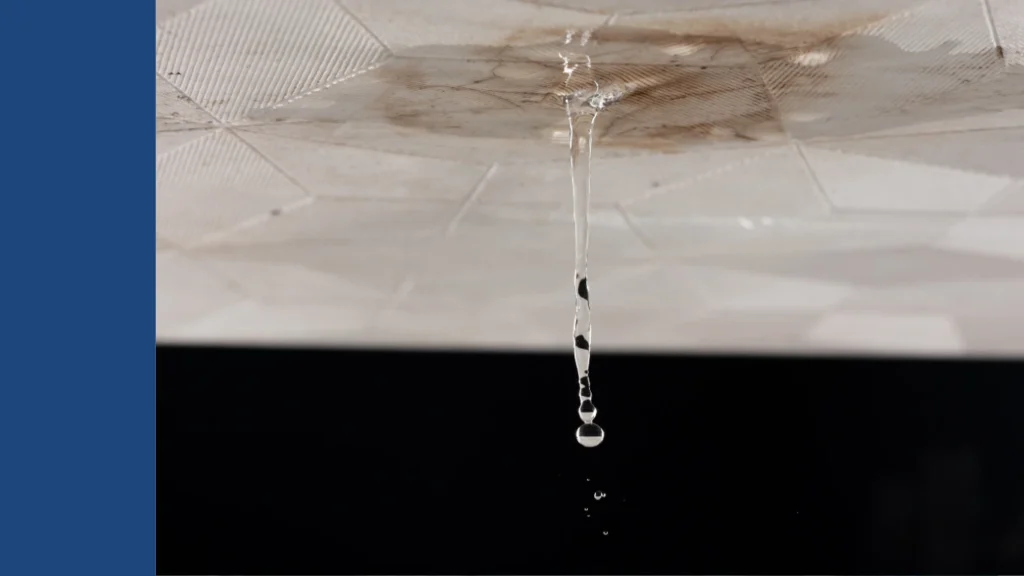
If your new roof is leaking, don’t wait for the next storm to try to see if it will leak again. A newly installed roof shouldn’t have a problem keeping water out, so even a small leak deserves attention.
However, a single leak doesn’t automatically call for the entire roof needing to be replaced. The problem could be narrowed down to flashing, a vent, damaged material, or another installation detail.
Key Takeaways
- Try to act fast and be wary of the unusual leaking from a new roof.
- Flashing, vents, valleys, and other roof transitions are common problem areas.
- Contain the water and document the damage before repairs begin.
- Check both contractor and manufacturer warranties.
- Get another opinion if the leak keeps returning.
What Should You Do First?
What’s happening | What to do |
Small stain or drip | Photograph it and contact the installer |
Active leaking | Catch the water and protect belongings |
Water near wiring | Stay clear and get professional help |
Leak after a storm | Document damage and check coverage |
Leak keeps returning | Arrange another inspection |
A bucket can protect the floor. It can’t solve the leak.
Get A Price For Your Roof
National ranges tell you whether you might be looking at hundreds or thousands.
Your roof tells you the actual number.
If your new roof is leaking, compare free roofing quotes from local professionals through Trusted Home Quotes. Completely free with no obligation, and you can compare what each contractor is actually proposing before making any decisions.
Why Is My New Roof Leaking?
Finding a fresh stain after having just replaced your roof can be a pain for sure.
But a leak does not automatically mean the whole installation failed, so let’s go through what can be the true issue.
Flashing Problems
Flashing helps direct water away from chimneys, walls, vents, skylights, and other areas where roof surfaces meet.
GAF explains that these flashing points are especially important around roof penetrations and transitions because they help prevent water from entering the roofing system.
If flashing was installed incorrectly, damaged, or poorly sealed, water can still make its way running under new roofing.
Installation Issues
Sometimes the roofing materials may not be the issue, but it could point to a small installation problem that is letting water in.
Possible issues include:
- misplaced or exposed fasteners
- poorly sealed penetrations
- underlayment problems
- improperly installed shingles
- poorly completed valleys
That doesn’t automatically mean the entire roof was installed badly. A roofer needs to identify the actual source first.
If repairs are needed, consider our roof leak costs guide to know the different roofing problems and their costs to fix.
Vents and Chimneys
Vents, skylights, pipes, and chimneys all create transitions in the roofing system that must be properly flashed.
That means your shingles could like fine while water enters around one smaller detail.
Storm Damage
When it comes to hail, strong winds, branches, or flying debris, it can bring some damage to your roof whether it is new or not.
The Insurance Institute for Business & Home Safety conducts extensive hail testing on roofing materials and has found that asphalt shingles can be damaged during hail and high-wind events.
If the leak appeared after severe weather, try to document when it started and any visible damage. Our hail damage guide explains what repairs may involve after a storm.
It Might Not Be the Roof
Not every ceiling stain sources back to the roof itself.
The stains can come from plumbing leaks, HVAC condensation, attic moisture, siding, windows, and chimney problems. Before even being visible, water can go along the framing, which means there’s a chance that the stain isn’t right under the actual leak.
What to Do Right Now
Control the Water
Try to isolate the space by moving furniture, electronics, and other valuables away. Place a bucket underneath wherever has water dripping and add protection for the surrounding flooring.
If you see the drywall saturated or sagging, keep your distance from the area until it can be inspected.
Watch for Electrical Hazards
Make sure to have caution if water is near a light fixture, outlet, ceiling fan, or visible wiring. Avoid investigating the wiring yourself and refrain from touching wet electrical equipment.
Take Photos
Document the problem before cleanup or repairs begin. Take photos of:
- ceiling stains
- active dripping
- wet drywall
- damaged belongings
- visible attic moisture
- storm damage you can safely see
Keep your installation contract, invoice, warranty documents, and any messages with the roofing company too.
Call the Installer
If your roof was recently replaced and there was no obvious storm damage, contact the company that installed it first.
Have a collection of photos, installation date, warranty documents, and details about when the leak occurs ready. Ask the contractor to explain both the cause and proposed repair in writing.
Is a New Roof Leak Covered by Warranty?
Maybe. It depends on what caused it.
Coverage | Usually applies to |
Workmanship warranty | Installation problems |
Manufacturer warranty | Eligible material defects |
Homeowners insurance | Certain storm or sudden damage |
CertainTeed explains that a manufacturer’s product warranty generally covers defects in the roofing material, while the contractor’s workmanship warranty covers installation errors.
So, for example, incorrectly installed flashing and a defective shingle would not necessarily fall under the same warranty.
Always read the terms of your specific warranties before assuming a repair will be covered.
Roofer or Insurance Company?

Start with the roofing contractor when:
- the roof was recently installed
- there was no major storm
- the leak appears connected to the installation
Insurance may become more relevant if the leak followed hail, strong winds, falling debris, or another sudden event.
The Insurance Information Institute states that homeowners policies typically cover roof damage caused by covered events such as wind, hail, or falling trees, although the exact coverage depends on your policy.
When to Get a Second Opinion
Consider another roofer if:
- the leak returns after a repair
- the installer cannot find the cause
- water keeps entering despite being told nothing is wrong
- there is disagreement about warranty responsibility
An independent roof inspection can help determine whether you’re dealing with installation trouble, storm damage, defective material, or another moisture source.
Trusted Home Quotes can also help you compare local roofers if you need another professional assessment.
Does the Whole Roof Need Replacing?
Usually, no.
A single leak may come from one localized problem, such as:
- flashing
- a vent boot
- a valley
- several shingles
- one roof penetration
Extensive work can start becoming more relevant if an inspection finds problems across a larger part of the roof, but one leak alone doesn’t automatically call for a full replacement.
Frequently Asked Questions
Is it normal for a new roof to leak?
No. A properly installed roof should keep water out. A small leak does not necessarily mean the whole roof has failed, but it should still be investigated promptly.
Why is my new roof leaking after heavy rain?
Heavy rain can expose weaknesses around flashing, vents, chimneys, valleys, and other roof transitions. Wind-driven rain may also reach areas that stay dry during lighter storms.
Is a new roof leak covered by warranty?
It can be. Workmanship problems may fall under the contractor’s warranty, while eligible material defects may fall under the manufacturer’s warranty. Coverage depends on the cause and your specific terms.
Who should I call first?
If the roof was recently installed and there was no major storm, start with the original roofing contractor. If the leak followed severe weather, review your insurance coverage as well.
Does one leak mean I need another new roof?
Usually not. Many leaks come from localized issues such as flashing, vents, valleys, or installation details that can be repaired without replacing the entire roof.
You Might Also Like