Fascia Board: What It Is, Costs & Materials (2026)
If you have ever looked up at your roofline and noticed peeling paint, soft spots along the edge, or gutters that seem to be pulling away, there is a good chance the fascia board is the culprit. Fascia is one of those parts of a house that most homeowners never think about until something goes wrong – but it plays a critical role in keeping your roof system intact and your home protected from water damage.
This guide explains what fascia is on a house, the materials it comes in, how much fascia board replacement costs in 2026, and how to maintain it so it lasts. Whether you are planning a roof replacement, dealing with gutter trouble, or just trying to understand what that board along your roofline actually does, we will cover everything you need to know.
Key Takeaways
- What it is: A fascia board is the long, straight board that runs along the lower edge of your roof, capping the ends of the rafters or trusses and providing a mounting surface for your gutters.
- Typical cost: Fascia board installation runs roughly $7 to $22 per linear foot with labor included, though premium materials and multi-story homes can push that higher.
- Material options: Wood (spruce, pine, fir), pressure-treated wood, PVC, aluminum, vinyl, and fiber cement are the most common choices, each with different price points, maintenance needs, and lifespans.
- Why it matters: Fascia protects your roof edge from moisture, supports your gutter system, and gives your roofline a clean, finished appearance.
- Professional installation: Hiring a qualified roofer ensures proper fit, gutter support, and long-term protection – especially for multi-story homes or non-wood materials that require specialized skills.
What Is a Fascia Board and What Does It Do?
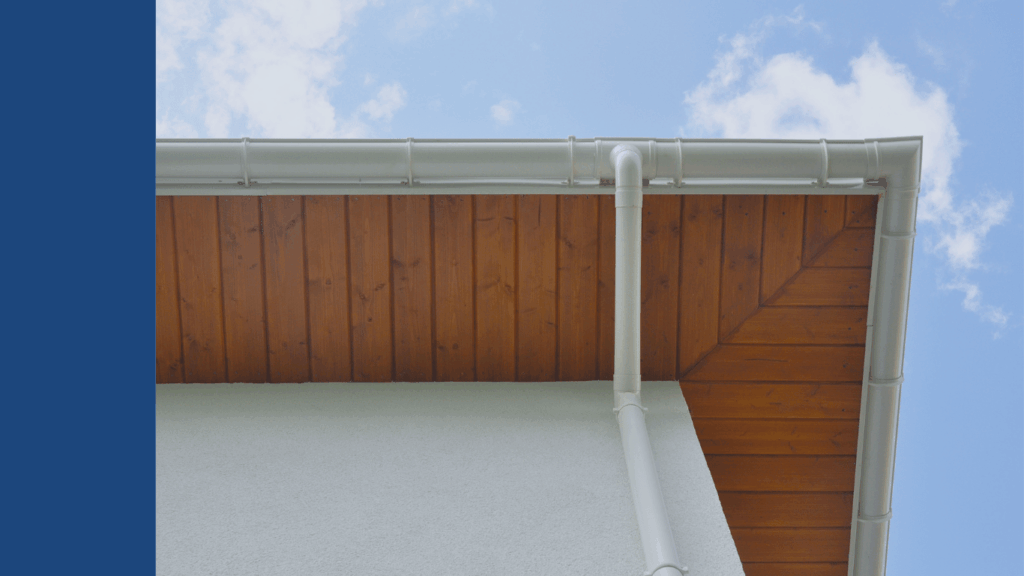
A fascia board is a long, flat board that sits vertically at the very edge of your roof, perpendicular to the ground. It covers the exposed ends of the rafters or trusses – the structural framing members that form the skeleton of your roof. Think of it as the finishing strip along your roofline: it closes off the gap between the roof edge and the open air.
Fascia works closely with the soffit – the horizontal panel that sits underneath the eaves, connecting the fascia to your exterior wall. Together, the soffit and fascia seal off the underside of your roof overhang from weather, pests, and debris.
The fascia board has two essential jobs. First, it serves as the anchor point for your gutter system. Gutters are typically fastened directly to the fascia, so the board needs to be sturdy enough to hold them even when loaded with rainwater or ice. Second, fascia acts as a moisture barrier, directing water into the gutters and away from the vulnerable wooden rafter tails behind it. An easy shorthand: if the soffit is the ceiling of your roof overhang, the fascia is its front wall.
Get Free Fascia and Roofing Quotes From Local Pros
Whether you need a simple fascia repair or a full replacement, working with an experienced local contractor makes a real difference in the quality and longevity of the job. Compare free quotes from trusted local roofers through Trusted Home Quotes – no pressure, no obligation. Browse our other home project guides for more expert advice on keeping your home in top shape.
How Fascia Fits Into Your Roof System
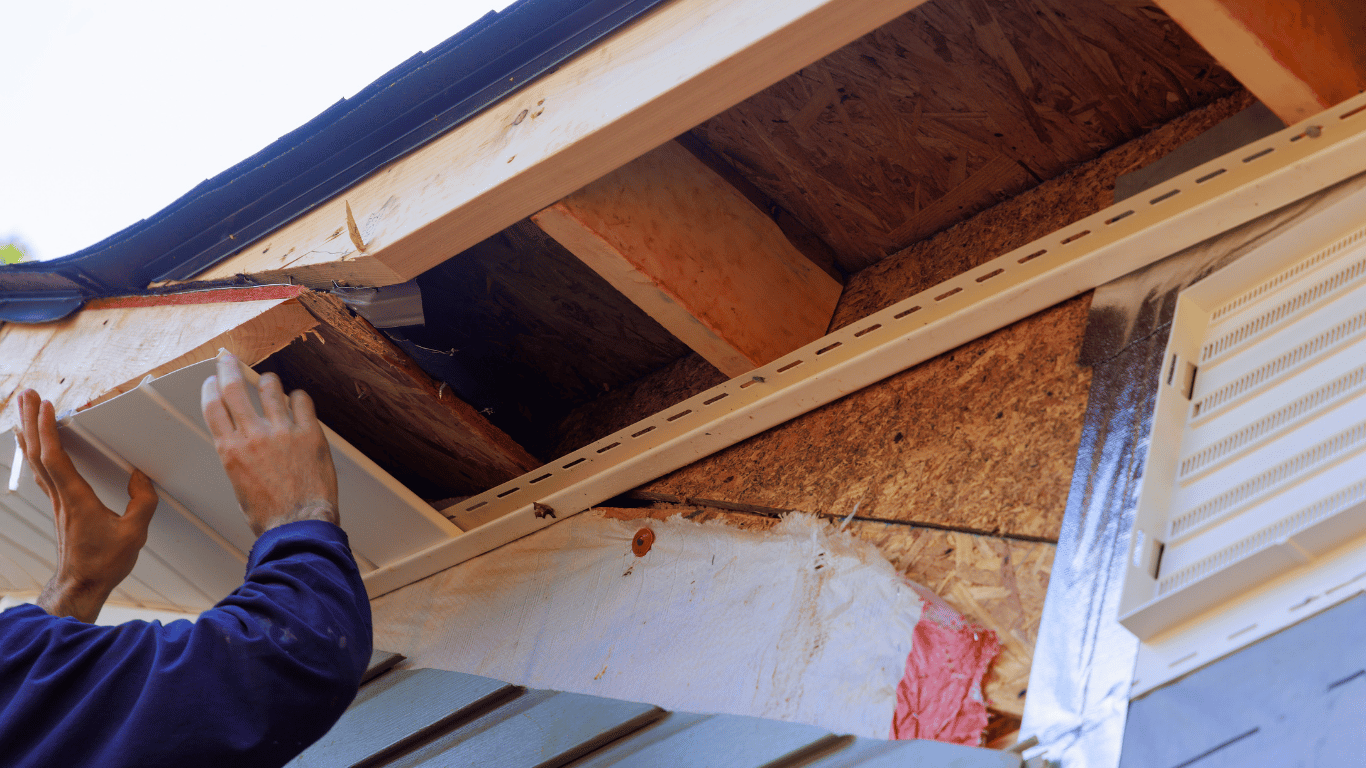
Understanding where fascia sits in the bigger picture of your roof makes it easier to see why it matters. Here is a quick walkthrough of the key structural layers at the edge of a typical residential roof, from the inside out.
Rafters and Trusses
Rafters and trusses form the structural framework of your roof. Rafters are individual sloped beams that run from the ridge (the peak) down to the eaves (the overhanging edges). Trusses accomplish the same thing using a pre-engineered triangular framework of smaller boards. Both extend beyond the exterior wall to create the overhang, and their exposed tail ends are what the fascia board covers.
Roof Decking and Covering
Sheets of plywood or oriented strand board (OSB) are fastened across the tops of the rafters or trusses to form the roof deck – the flat surface that your roofing material sits on. On top of the deck goes an underlayment, then the visible covering: asphalt shingles, metal panels, tile, or another material. These outer layers are what protect the wood structure beneath from rain, sun, and wind, but they eventually wear out and require a roof replacement.
Drip Edge
A drip edge is a thin strip of metal (usually aluminum or galvanized steel) installed along the edges of the roof, right where the deck meets the fascia. It tucks under the bottom row of shingles and angles outward, channeling water away from the fascia and directly into the gutters. Without a drip edge, rainwater can wick back along the underside of the shingles and seep behind the fascia, which is one of the most common causes of wood rot at the roofline.
Fascia, Soffit, and Gutters
The fascia board attaches to the cut ends of the rafters or trusses, creating a smooth, vertical surface along the roofline. Gutters mount to the fascia, collecting runoff from the roof and directing it through downspouts and away from your foundation. Underneath, the soffit spans horizontally from the back edge of the fascia to the exterior wall, enclosing the eave. Most soffits include vents that allow airflow into the attic, which is important for preventing moisture buildup and regulating temperatures up there. When any one of these three components fails – fascia, soffit, or gutters – the others are often affected, which is why contractors frequently recommend addressing them together. For more on what gutter work costs, see our gutter replacement guide.
Fascia Board Material Options
Because fascia bears the weight of your gutter system and sits exposed to weather year-round, the material you choose matters. Each option offers a different balance of cost, durability, and maintenance. Here is what is available.
Standard Wood (Spruce, Pine, Fir)
Wood remains the most popular fascia material thanks to its low upfront cost and wide availability. Spruce, pine, and fir boards are the standard choices. The downside is that wood requires regular painting or sealing to resist moisture, and it can rot if that maintenance is neglected. In humid or rainy climates, many homeowners add a thin layer of aluminum or vinyl wrapping (sometimes called fascia trim) over the wood to extend its life and cut down on repainting.
Pressure-Treated Wood
Pressure-treated lumber is infused with preservatives that help it resist rot, insects, and fungal decay. It holds up better than standard wood in wet conditions, making it a reasonable upgrade for homes in high-moisture areas. The trade-off is a noticeably higher material cost and the fact that it still requires periodic staining or sealing to maintain its appearance and protection.
PVC (Polyvinyl Chloride)
PVC fascia boards are made from rigid plastic and are completely impervious to moisture – they will not rot, warp, or attract insects. PVC comes in a range of factory-applied colors, so painting is optional. The main drawback is that PVC can expand and contract noticeably in extreme temperatures, which means installation requires careful spacing to avoid buckling. It can also become brittle after years of intense UV exposure in very sunny climates.
Aluminum
Aluminum fascia is among the most durable options on the market. It resists corrosion, does not rot, and handles extreme weather conditions without breaking down. Aluminum is often used as a wrap over existing wood fascia, but solid aluminum fascia boards are available too. The material costs more than wood, vinyl, or PVC, and professional installation is strongly recommended to avoid oil-canning (a wavy, uneven appearance caused by improper fitting). Properly installed, aluminum fascia can last 40 years or more.
Vinyl
Vinyl fascia shares many of PVC’s moisture-resistant qualities but tends to be lighter and thinner. It snaps into place easily, making it a popular option for homeowners who want a low-maintenance material at a moderate price point. Vinyl holds up well in mild climates but can become brittle in freezing temperatures and may fade or chalk after extended sun exposure. It is difficult to paint after installation, so choosing the right factory color upfront is important.
Fiber Cement
Fiber cement fascia combines Portland cement with wood fibers to create a dense, rigid board that resists rot, fire, and insect damage. It handles moisture and temperature swings better than most alternatives and can last 30 years or longer with minimal upkeep. Fiber cement is heavier than other options, which means installation takes more labor, and the board is available in limited factory colors – repainting it later is generally not recommended by manufacturers.
Fascia Board Material Cost Comparison (2026, Installed)
Material | Cost Per Linear Foot (Installed) | Estimated Lifespan |
Standard Wood (SPF) | $5 – $10 | 15 – 25 years |
Pressure-Treated Wood | $7 – $12 | 20 – 30 years |
PVC | $7 – $14 | 25 – 30 years |
Aluminum | $10 – $22 | 30 – 40+ years |
Vinyl | $7 – $12 | 20 – 30 years |
Fiber Cement | $10 – $20 | 25 – 35 years |
Note: Installed costs include materials and labor for a single-story home with standard access. Multi-story homes, complex rooflines, and simultaneous soffit replacement will increase total cost. Ranges based on 2026 data from HomeGuide, Homewyse, and This Old House.
Is Fascia the Same as Trim?
You will sometimes see the terms “fascia board” and “fascia trim” used interchangeably, which can be confusing. Technically, the fascia board itself is the structural component – the actual board that caps the rafter tails and supports the gutters.
“Fascia trim” more accurately refers to a thin layer of aluminum or vinyl sheeting that wraps around a wood fascia board to protect it from the elements. This wrapping gives the wood a factory-finished appearance, eliminates the need for repainting, and extends the board’s lifespan considerably. When your fascia is made of aluminum, vinyl, or PVC from the start, the board and the finished surface are one and the same, so the distinction between “fascia” and “fascia trim” disappears.
Fascia Board Installation and Replacement Cost
The fascia board cost most homeowners encounter falls in the range of $7 to $22 per linear foot with materials and labor combined, based on a single-story home with straightforward access. The national average sits around $14 to $15 per linear foot. Since a typical home has 100 to 200 linear feet of fascia, total project costs generally land between $1,000 and $3,500 for a standard fascia board replacement.
Several factors can push that number higher:
- Material choice: Aluminum and fiber cement cost significantly more per foot than basic wood.
- Home height: Two-story and three-story homes require ladders, scaffolding, or lifts, adding roughly 15–35% to labor costs.
- Soffit replacement: If your soffit also needs replacing (common when fascia has rotted), expect to add $4 to $22 per linear foot for the soffit work.
- Gutter removal and reinstallation: Gutters usually need to come down before fascia can be replaced, adding to labor time and cost.
- Regional labor rates: Costs vary by market. Homeowners in higher-cost metros will pay more than those in rural areas.
- Rafter tail repairs: If the rot has spread from the fascia into the rafter ends, that structural repair adds to the bill.
Fascia Replacement Cost Overview (2026)
Cost Factor | Typical Range |
Fascia materials only (per linear foot) | $1 – $20 |
Labor (per linear foot) | $6 – $20 |
Total installed (per linear foot) | $7 – $22 |
Average total project (100–200 LF) | $1,000 – $3,500 |
With soffit replacement | $2,000 – $6,800 |
Building permits (where required) | $150 – $300 |
Sources: Homewyse, HomeGuide, This Old House. Prices reflect 2026 estimates for a single-story home. Actual costs vary by region.
How to Choose Fascia for Your Home
Not all fascia is created equal, and the right choice depends on a handful of practical factors. Here is what to weigh before you buy.
Climate and Weather Resistance
Your local climate should be the starting point. In areas with heavy rain, snow, or high humidity, moisture-resistant materials like aluminum, PVC, or fiber cement are worth the extra investment. Wood fascia in these environments needs vigilant maintenance to avoid premature rot. In regions prone to extreme cold, be aware that standard vinyl can become brittle and crack – look for cold-rated products or opt for aluminum. If your area experiences high winds or heavy snow loads, your local building code may also dictate minimum structural requirements for fascia depth and attachment.
Material Quality and Durability
Cheaper materials cost less today but may need replacing sooner. A standard pine fascia board might last 15 years, while aluminum or fiber cement can go 30 to 40 years with almost no maintenance. Think about total cost of ownership, not just the purchase price. A quality fascia system (board plus starter strips, J-channels, and corner pieces) also helps the installer achieve a secure, even fit that prevents shifting or warping over time.
Style and Curb Appeal
Fascia is visible from the street, so it affects your home’s appearance more than you might expect. Wider boards tend to give homes a more modern, substantial look, while narrower profiles suit traditional and cottage-style architecture. If you are updating your fascia as part of a larger exterior project like new siding or a roof replacement, coordinating the material and profile with those other elements will give the finished result a cohesive look.
Color Options
Aluminum and vinyl fascia come in a range of pre-finished colors, but not every manufacturer offers the same palette. Before committing to a material, check that the color you want is available and that it complements your siding, roof, and trim. If exact color matching matters to you, wood gives you the flexibility to paint any shade you like – though it also means repainting every few years. For factory-finished materials, keep in mind that some colors may fade more noticeably than others over time.
Warranty Coverage
Look for fascia products backed by a manufacturer’s warranty, and read the terms carefully. Budget-grade materials sometimes come with limited or no warranty coverage, while higher-quality products may offer 25-year or even lifetime warranties. Pay attention to what the warranty actually covers – some protect only against manufacturing defects, not against weather damage or fading. Proper installation also matters: many manufacturers will void the warranty if the product is not installed according to their specifications, which is another reason to work with an experienced contractor.
How to Maintain Your Fascia Boards
Catching fascia problems early is far cheaper than dealing with the water damage they cause if left alone. A few simple habits will keep your boards in good shape for years.
Inspect regularly. Walk around your home at least twice a year – ideally in spring and fall – and look at the fascia boards from the ground. Watch for peeling paint, discoloration, soft or spongy spots, and any areas where the board appears to be pulling away from the roofline. If you notice any of these warning signs, it is time to take a closer look.
Keep gutters clean. Clogged gutters are the number-one cause of fascia damage. When water overflows a blocked gutter, it pours directly onto and behind the fascia board, accelerating rot. Clean your gutters at least twice a year, or more often if you have overhanging trees. Our gutter cleaning guide covers what to expect for costs.
Repaint or reseal wood fascia. If your fascia is wood, keep it painted or sealed at all times. Bare or peeling wood absorbs moisture quickly. Plan on repainting every three to five years, or sooner if you notice the finish deteriorating.
Consider wrapping wood in metal. If you have sound wood fascia that just needs better protection, having a contractor wrap it in aluminum sheeting (fascia trim) is a cost-effective way to extend its life without a full replacement. The aluminum layer sheds water and eliminates the need for repainting.
Install or verify a drip edge. If your roof does not have a drip edge installed, water can run back under the shingles and behind the fascia, causing hidden rot. A roofer can add a drip edge during a roof inspection or maintenance visit.
Know when to call a pro. Minor cosmetic touch-ups like repainting are manageable for most homeowners. But if the fascia board itself is soft, rotted, or pulling away, or if the damage has reached the rafter tails behind it, that is a job for a professional. Working at roof height adds fall risk, and improperly replaced fascia can compromise your entire gutter system.
Frequently Asked Questions
What is fascia on a house?
Fascia is the vertical board that runs along the lower edge of your roof, covering the ends of the rafters or trusses. It provides a mounting surface for gutters, protects the roof structure from moisture, and gives the roofline a clean, finished look. Most residential fascia boards are made of wood, although aluminum, vinyl, PVC, and fiber cement are common alternatives.
How much does fascia board replacement cost?
Fascia board replacement typically costs $7 to $22 per linear foot with materials and labor included, based on a single-story home. For a house with 150 linear feet of fascia, that translates to roughly $1,050 to $3,300. Costs rise with premium materials, multi-story homes, and projects that include simultaneous soffit or gutter work.
What is the best material for fascia boards?
There is no single best material – the right choice depends on your climate, budget, and maintenance tolerance. Aluminum and fiber cement offer the longest lifespans and lowest maintenance, while standard wood is the most affordable upfront. PVC and vinyl strike a middle ground between cost and durability. In harsh weather climates, moisture-proof materials tend to offer the best long-term value.
Can you replace fascia without replacing soffit?
Technically yes, but it is usually not recommended. Because the soffit attaches underneath the fascia, removing the fascia to replace it gives you direct access to the soffit as well. Replacing one without inspecting or addressing the other risks leaving hidden damage behind. Most contractors advise doing both at the same time to ensure a weathertight seal.
How long do fascia boards last?
Lifespan varies by material. Well-maintained wood fascia typically lasts 15 to 25 years. Vinyl and PVC can last 20 to 30 years. Aluminum and fiber cement are the longest-lasting options, often reaching 30 to 40 years or more. Local climate, installation quality, and how well gutters are maintained all affect how long your fascia holds up.
Do I need fascia on my house?
In almost all cases, yes. Fascia protects the exposed rafter ends from moisture, provides the mounting surface your gutters need, and prevents pests from accessing the roof cavity. Without fascia, the wooden structure at the edge of your roof is directly exposed to rain, snow, and wind – which can lead to accelerated rot and costly structural repairs.
You Might Also Like