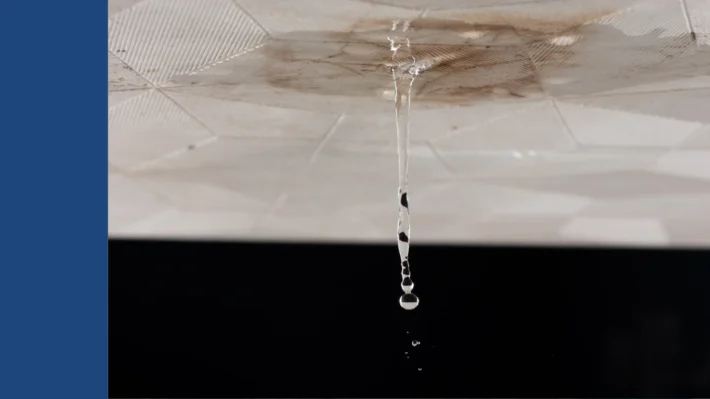
Garage Leak: Who to Call and What to Do First
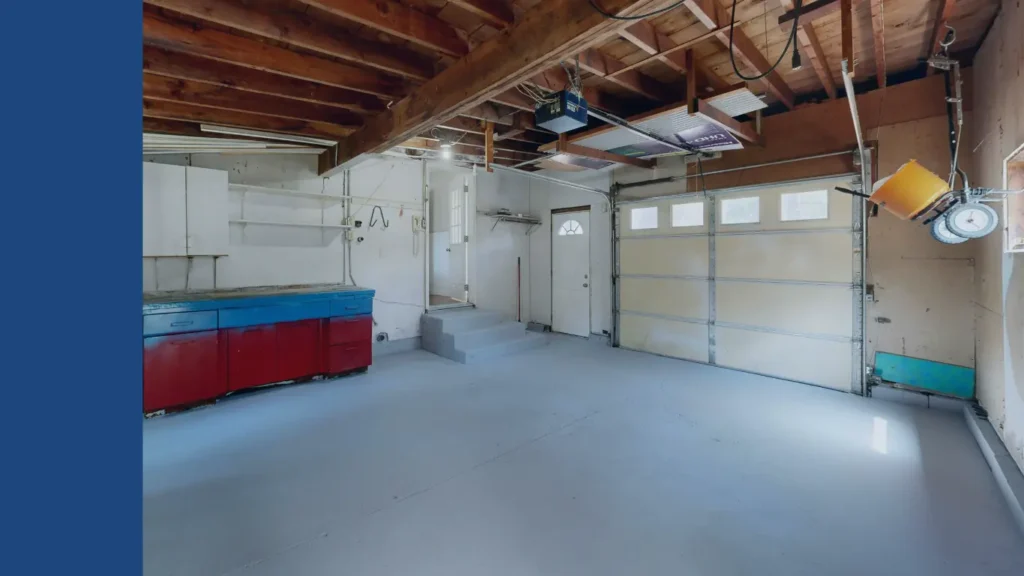
If you have a leak in your garage, who you should call depends on where the water is coming from. If there is water dripping after rain from your ceiling, calling a roofer makes sense. A leak below a bathroom or laundry room probably calls for a plumber. If water is going through the garage door, window, walls, or floor, you may require a garage door, window, drainage, or waterproofing professional.
The point being made here is to find the source first and understand how water is showing up. Fixing the puddle without fixing where the water is entering usually means the problem will come back.
Find the Right Pro for Your Garage Leak
If you are not sure who you need, Trusted Home Quotes can help you explore home services and compare options for your repair.
The range of needs includes if you need a roofer for roof leaks, a plumber for plumbing problems, and the appropriate exterior or waterproofing professional when water is entering through doors, windows, walls, or the floor.
Key Takeaways
- Call a roofer for leaks that appear through the garage ceiling during or after rain.
- Call a plumber when the leak is connected to a pipe, water heater, bathroom, laundry room, or other plumbing.
- Water beneath the garage door may come from a worn seal or poor drainage outside.
- Water around a window can point to failed caulk, flashing, or the window itself.
- Recurring moisture through concrete walls or floors may require a foundation, drainage, or waterproofing specialist.
Who Should You Call for a Garage Leak?
Start with what you notice about where the water appears.
What You Notice | Likely Problem | Who to Call |
Ceiling drips during rain | Roof or flashing leak | Roofer |
Leak below bathroom or laundry room | Pipe, drain, fixture, or appliance | Plumber |
Water under garage door | Door seal or exterior drainage | Garage door or drainage pro |
Water around a window | Window seal, flashing, or frame | Window contractor |
Damp garage wall | Drainage or foundation moisture | Waterproofing or foundation pro |
Water through the floor | Groundwater, drainage, or plumbing | Waterproofing pro or plumber |
Large soaked area | Secondary water damage | Water restoration company |
Water near outlets or wiring | Electrical hazard | Electrician after the leak is controlled |
Sometimes you will need to work with two different professionals. A roofer might stop the leak, for example, while a water damage company handles soaked drywall or insulation afterward.
Water Is Leaking Through the Garage Ceiling
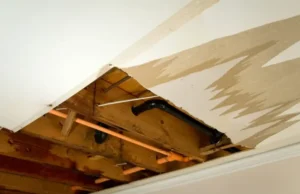
If the leak appears during or soon after rain, call a roofing contractor first.
Roof leaks can develop around:
- Damaged or missing shingles
- Flashing
- Roof vents
- Pipe penetrations
- Valleys
- Skylights
- The point where an attached garage roof meets the house
The spot where water drips into the garage is not always directly below the opening in the roof. Water can travel along roof decking or framing before becoming visible.
If the garage roof was installed recently, contact the installer to make some checks. A leak in a newer roof may involve flashing, a vent, another installation detail, or a warranty issue. See our guide on what to do when a new roof is leaking.
Water Is Leaking Below a Bathroom, Laundry Room, or Water Heater
If your garage is right under a living space, call a plumber when the leak seems connected to household water use.
Pay attention to when it happens.
Does the garage ceiling start dripping after someone showers? When the washing machine drains? When a toilet flushes?
Possible causes include:
- Leaking supply pipes
- Drain pipe leaks
- Water heater leaks
- Washing machine hoses
- Shower or bathtub plumbing
- Loose plumbing connections
If you see water actively dripping down and you know how to do so safely, shut off the affected fixture or the home’s main water supply while you wait for the plumber.
Do not start opening the garage ceiling just to look for the pipe. A plumber can determine where the leak originates and find whether access through the ceiling or wall is actually necessary.
Water Is Coming Under the Garage Door
If you notice your floors being wet after heavy rain, check the garage entrance.
Water can enter because the bottom door seal no longer sits tightly against the floor. The threshold can also deteriorate or separate over time.
Start by looking at:
- The rubber seal along the bottom of the door
- The threshold where the door meets the floor
- Gaps around the sides of the door
- Cracks in the concrete near the entrance
If the seal is damaged, a garage door professional can replace or adjust it.
But also look outside while it is raining. If water is flowing down the driveway and collecting against the door, the seal may not be the real problem. A drainage or landscaping contractor may need to redirect the runoff.
Water Is Leaking Around a Garage Window
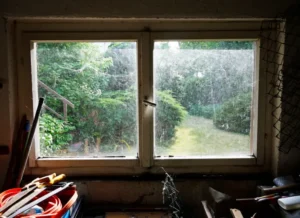
If you see water staining below or around a garage window, it probably calls for a window contractor.
The problem could be as simple as failed exterior caulk, but leaks can also develop around flashing, frames, or damaged window components.
Our window repair cost guide covers leaking windows and other common repairs if you want an idea of what the fix may involve.
Also check what is happening above the window. Water overflowing from a clogged gutter can run down the exterior wall and that can make the window look like the source.
Water Is Seeping Through the Garage Wall
When moisture appears directly through a concrete or masonry wall, look outside before assuming the wall itself has failed.
Common causes include:
- Soil sloping toward the garage
- Downspouts dumping water too close to the building
- Clogged or overflowing gutters
- Foundation cracks
- Poor exterior drainage
- Failed waterproofing
If the wall repeatedly becomes damp after rain, a foundation or waterproofing contractor can tell you how water is reaching it and whether the solution requires drainage, crack repair, or waterproofing.
Gutters are worth checking too. If they overflow rather than carrying water away, our guide to gutter cleaning costs explains when professional cleaning may make sense.
Water Is Coming Through the Garage Floor
First, make sure the water is actually coming through the floor.
Garage floors are usually smooth enough that water from a wall, door, vehicle, or appliance can travel before creating a puddle someplace else.
If moisture really is appearing through the concrete, the likely cause will depend on the time of the water appearing.
Only after heavy rain: Start with a drainage, foundation, or waterproofing specialist.
Even during dry weather: A plumber may need to rule out a concealed plumbing leak.
Near the garage entrance: Check whether rainwater is flowing in from the driveway instead of through the slab.
Noticing the timing of the leak is a great way to simply narrow down who to call for the job.
What Should You Do Right Away?
You do not need to diagnose the entire problem before protecting the garage.
- Move belongings out of the wet area. Get boxes, tools, electronics, and anything absorbent away from the water.
- Stop the water while proceeding with safety. Shut off leaking plumbing or catch an active drip.
- Stay away from wet electrical equipment. Do not touch outlets, wiring, extension cords, appliances, or the electrical panel if water has reached them.
- Take photos. Try to document everything from the leak to any damaged materials before cleanup or repairs.
- Remove standing water.
- Start drying wet materials once the leak is controlled.
You do not want to leave wet drywall, insulation, wood, or cardboard sitting for days. The EPA recommends drying wet building materials within roughly 24 to 48 hours whenever you can to avoid the risk of mold growth.
When Do You Need a Water Damage Company?
Stopping the leak and repairing the water damage are two different jobs.
You may want a water damage restoration professional if:
- A large area is soaked
- Drywall or insulation is saturated
- Water entered finished walls or ceilings
- The leak went unnoticed for a while
- You cannot get the area completely dry
- There is a strong musty smell
- You can see mold
- The water came from a sewage backup
A small puddle on bare concrete usually does not require a restoration crew. A ceiling full of wet insulation is a different situation.
Is It a Roof Leak or a Plumbing Leak?
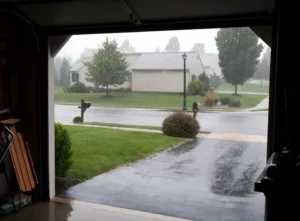
Mentioning again the simplest clue or way to know who to call is when the water appears.
If it only leaks during rain, start with the roof, windows, gutters, door, or exterior drainage.
If it leaks when the weather is dry, start looking at plumbing.
You can narrow it down further by watching what happens when water is used anywhere inside of your house. If dripping starts after someone showers or runs the washing machine, tell the plumber. That information gives professionals a lot to work with when tracking down the source.
Can You Fix a Garage Leak Yourself?
A few small fixes can be reasonable DIY jobs, such as replacing basic garage door weatherstripping or resealing a small exterior gap you can clearly identify.
Call a professional when:
- You cannot find the source
- The leak keeps returning
- The repair involves the roof
- Plumbing is hidden behind a wall or ceiling
- Water is coming through the foundation
- A large area is wet
- Structural materials are damaged
- Water is near electrical equipment
- The water could contain sewage
The important distinction is if you are actually fixing the real cause of the leak.
Adding sealant where water appears may only be a temporary stop to the symptom of the main problem. It will not repair damaged flashing, a leaking pipe, poor drainage, or water pressure against a foundation wall.
How to Keep the Leak From Coming Back
So you finally found the source and repaired the leak, now you want to focus on whatever allowed water to reach the garage in the first place.
Keep gutters and downspouts clear so water moves away from the house. Check that the ground and driveway are not directing runoff toward the garage. Replace cracked garage door weatherstripping and deal with small roof, window, or exterior leaks before they spread.
If you keep seeing moisture in the same place even after getting a repair, get another inspection rather than continuing to patch it.
Frequently Asked Questions
Who do I call if water is leaking through my garage ceiling?
Call a roofer if the leak happens during or after rain. If there is plumbing or a bathroom above the garage and the leak appears during dry weather or when water is being used, call a plumber instead.
Who do I call if rainwater is entering my garage?
It depends on where it enters. A roofer handles roof leaks, a garage door professional handles failed door seals, a window contractor handles window leaks, and a drainage or waterproofing specialist can help when water is collecting against the structure.
Why does my garage floor get wet when it rains?
Rainwater may be entering under the garage door, traveling from a wall, or seeping through cracks because of poor exterior drainage. Watch where the water first appears during the next rainstorm before deciding which contractor to call.
Should I call a plumber for a garage leak?
Call a plumber when the leak appears connected to household plumbing, a water heater, laundry equipment, a bathroom above the garage, or a hidden pipe. Water appearing on dry days can also point toward plumbing rather than rainwater.
Is a garage leak an emergency?
It can be. Act quickly if water is spreading rapidly, coming from a pressurized pipe, reaching electrical equipment, damaging the structure, or coming from a contaminated source. Smaller leaks still deserve attention before they cause additional water damage.
You Might Also Like