How Much Does a Metal Roof Cost in 2026?
If your roof is nearing the end of its life, you’ve probably started looking at metal as a replacement option. It makes sense metal roofs last 40 to 70 years, hold up in extreme weather, and can reduce your energy bills. But before you call a contractor, you’ll want a realistic picture of what you’re actually going to spend.
A metal roof costs an average of $11,741, with most homeowners paying between $5,745 and $17,740. Costs can be as low as $1,500 for a small, simple job or climb past $34,900 for a large home with premium materials. Where you land on that range depends on your roof size, the type of metal, your location, and a handful of other factors all of which this guide covers in detail.
Key Takeaways
- The national average for metal roof replacement is $11,741, with a typical range of $5,745 to $17,740.
- Metal type is one of the biggest cost drivers aluminum starts at $4/sq ft while copper can reach $30/sq ft.
- Labor typically accounts for around 60% of total project cost.
- Roof size, pitch, design complexity, and location all affect your final price.
- A metal roof delivers roughly 60% ROI and can significantly boost your home’s resale value.
Table of Contents
- Metal Roof Cost Overview
- Metal Roof Cost by Roof Size
- Metal Roof Cost by Metal Type
- Metal Roof Cost by Style
- Additional Cost Factors
- Metal Roof Cost by Location
- Metal Roof Repair vs. Replacement
- DIY vs. Hiring a Professional
- How to Save Money on a Metal Roof
- Does a Metal Roof Increase Home Value?
- Final Thoughts
- Frequently Asked Questions
Metal Roof Cost Overview
The table below shows the full cost range for metal roof installation in 2026:
|
Cost Level |
Estimated Cost |
|
Low end |
$1,500 |
|
Typical range |
$5,745 – $17,740 |
|
National average |
$11,741 |
|
High end |
$34,900 |
Want a more accurate estimate for your roof? Compare free quotes from local metal roofing contractors in your area.
Metal Roof Cost by Roof Size
Roofing contractors typically price by the “roofing square” one square equals 100 square feet of roof surface area. Metal roofing materials run between $4 and $30 per square foot depending on the metal type.
The estimates below assume a standard gable roof with a moderate pitch:
|
Home Square Footage |
Estimated Metal Roof Cost |
|
1,000 sq ft |
$6,000 – $45,000 |
|
1,500 sq ft |
$9,000 – $67,500 |
|
2,000 sq ft |
$12,000 – $90,000 |
|
2,500 sq ft |
$15,000 – $112,500 |
|
3,000 sq ft |
$18,000 – $135,000 |
Metal Roof Cost by Metal Type
The material you choose is the biggest variable in your budget. Here’s how the metal types compare on a per-square-foot basis, including materials and labor:
|
Metal Type |
Cost per Sq Ft |
|
Aluminum |
$4 – $11 |
|
Tin |
$5 – $12 |
|
Zinc |
$6 – $12 |
|
Steel |
$6 – $16 |
|
Rusted / Corten |
$9 – $15 |
|
Lead |
$10 – $15 |
|
Copper |
$15 – $30 |
Aluminum is the most popular choice for coastal homes because it doesn’t rust, making it a smart pick in high humidity or salt air environments. Steel is the most widely used metal for residential roofing overall it’s durable, affordable, and available in a wide range of finishes. Copper is the premium option; it’s beautiful and can last over 100 years, but the cost reflects that.
If budget is your primary concern, aluminum, tin, or steel will give you reliable performance at a fraction of the cost of copper or lead.
Metal Roof Cost by Style
Beyond the type of metal, the style of roofing system you choose also affects cost. Here’s a breakdown of the four main options:
|
Roof Style |
Cost per Sq Ft |
|
Sheet metal |
$4 – $6.50 |
|
Corrugated metal |
$3.50 – $15 |
|
Metal shingles |
$7 – $22 |
|
Standing seam |
$7 – $30 |
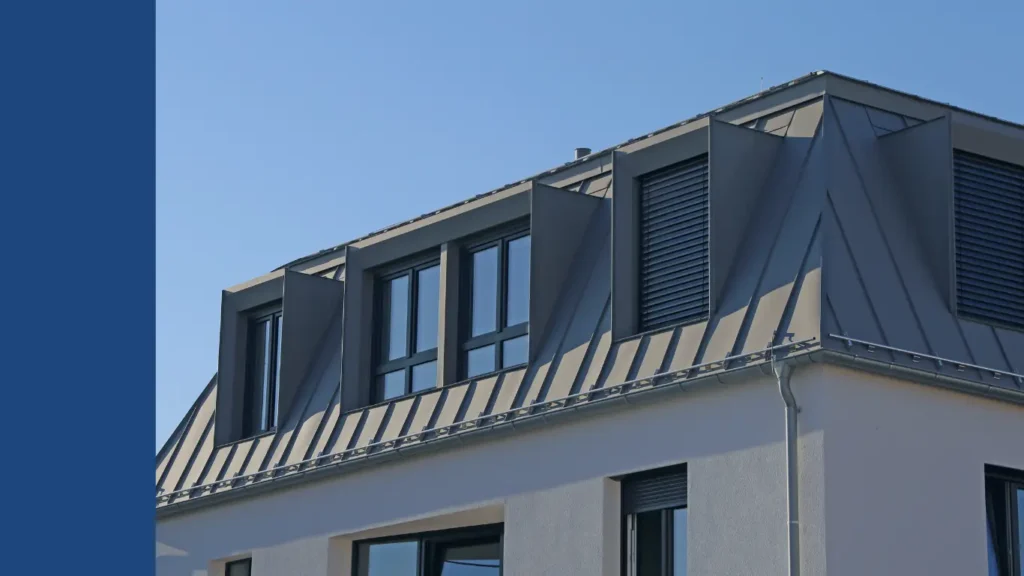
Standing seam is the standard for residential metal roofing It reduces the risk of leaks over time. It costs more upfront but tends to outperform other styles in longevity and weather resistance.
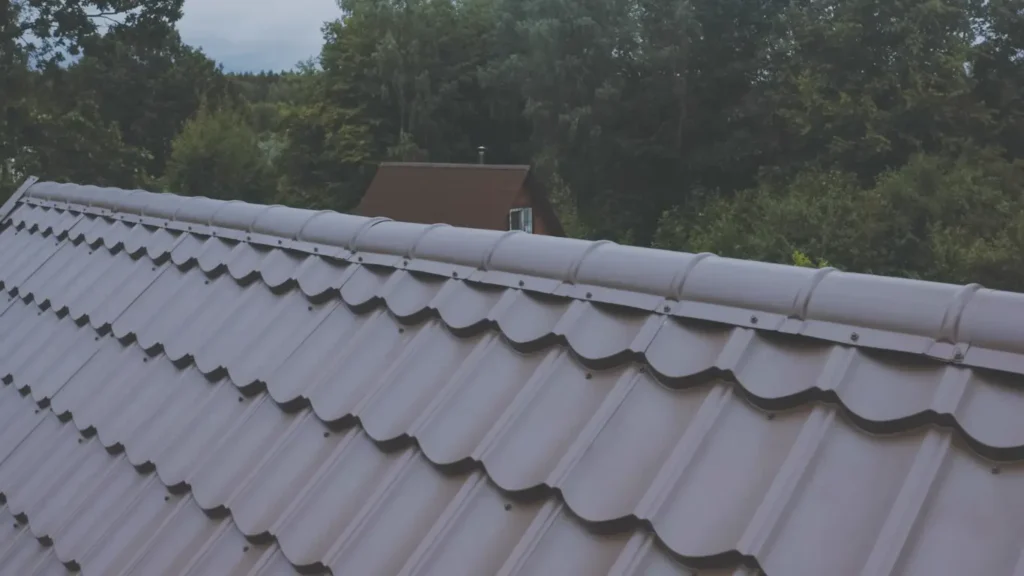
Corrugated metal and metal shingles are more affordable and can be a great fit for simpler roof designs. If you’re replacing the roof on a barn or a shed, corrugated panels with exposed fasteners are a cost-effective and durable choice.
Additional Metal Roof Cost Factors
Several other variables can move your final price up or down. Here’s what to watch for:
Roof Design Complexity
A basic gable roof is the least expensive to work with. Hip roofs, roofs with dormers, multiple valleys, or bump-outs add 15% to 25% to the total cost because they require more material cuts, more flashing, and more labor time.
Roof Pitch
Steeper roofs are harder and more dangerous to work on, which means more labor time and safety equipment. Expect to pay 15% to 35% more for a steep pitch compared to a low-slope roof.
Metal Gauge
Gauge refers to the thickness of the metal. The lower the gauge number, the thicker and more expensive the material.
Fastener Type
Hidden fasteners cost 30% to 50% more than exposed fasteners. Exposed fastener systems are faster to install and cheaper upfront but require periodic maintenance and carry a slightly higher long-term leak risk. Hidden fastener systems like standing seam look cleaner and perform better over time.
Additional Cost Items
- Old roof removal: $1,000 – $5,000 depending on the existing material and number of layers
- Roof decking repair: $2 – $5 per square foot if the decking underneath is damaged
- Underlayment: $1 – $1.30 per square foot depending on type (felt paper, synthetic, or high-heat shield)
- Snow guards or rails: $1,000 – $4,000 for homes in heavy snow regions
- Permits: $250 – $500, typically pulled by your contractor
- Labor warranty: Expect to pay $300 – $500 more for a contractor who backs their work with a labor warranty
Still unsure what your roof needs? Get a free inspection or quote from Trusted Home Quotes and make the right call with confidence.
Metal Roof Cost by Location
Labor rates and local demand have an impact on what you’ll pay. Homeowners in high cost-of-living states like California and New York will see prices well above the national average, while those in the Southeast and Midwest typically pay less.
|
State |
Average Metal Roof Cost |
|
California |
$16,800 |
|
New York |
$14,300 |
|
North Carolina |
$11,400 |
|
Pennsylvania |
$11,100 |
|
Ohio |
$10,900 |
|
Illinois |
$10,800 |
|
Florida |
$12,000 |
|
Texas |
$10,700 |
|
Michigan |
$10,600 |
|
Georgia |
$10,600 |
Beyond state-level differences, homeowners in dense urban areas tend to pay more than those in suburban or rural locations due to higher contractor demand and operating costs.
Metal Roof Repair vs. Replacement: Which Do You Need?
Before committing to a full replacement, it’s worth getting an inspection to see if a repair is a viable option. Roof inspections average around $250 and can save you thousands if targeted repairs are all that’s needed. The average cost of a metal roof repair is $1,910 significantly less than a full replacement.
|
Repair |
Replace |
|
Isolated damage (a few panels) |
Widespread rust or corrosion |
|
Minor leaks in small areas |
Recurring leaks in multiple areas |
|
Roof is under 25–30 years old |
Structural issues present |
|
Superficial surface rust |
Nearing end of lifespan |
|
Tight budget |
Upgrading energy efficiency or curb appeal |
If you’re unsure which route makes sense, a professional inspection will give you the information you need to decide. Repairs make sense when the damage is contained; replacement when problems are recurring or widespread.
DIY vs. Hiring a Professional to Install a Metal Roof
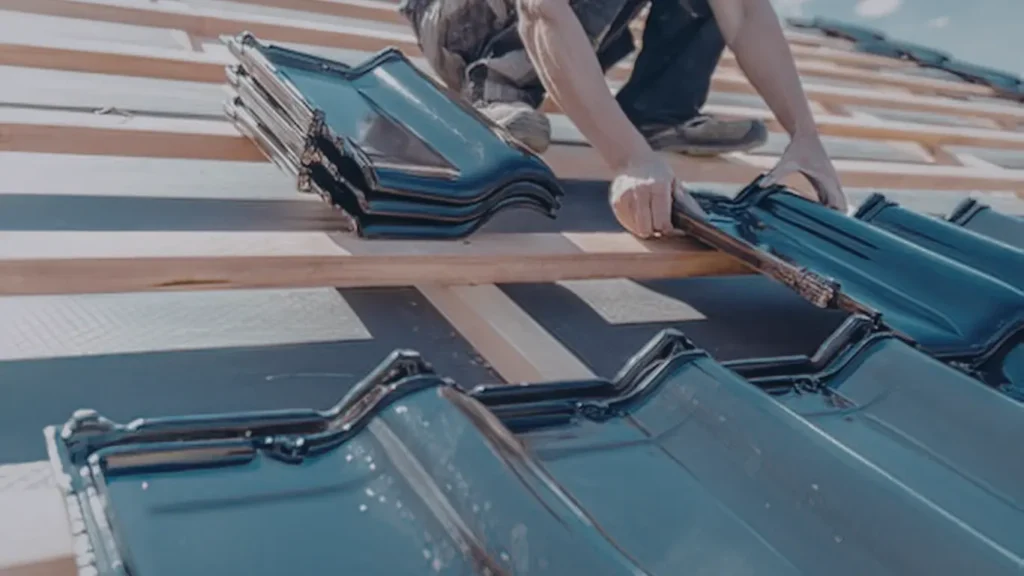
DIY installation could save you $3,400 to $10,500 in labor costs, but it comes with significant risks that most homeowners should weigh carefully.
Reasons to Hire a Pro
- Metal roof installation requires specialized tools and skills that most homeowners don’t have.
- Improper installation frequently leads to leaks and water damage repairs that can cost thousands to fix.
- Working on a roof is inherently dangerous, and metal surfaces increase that risk.
- Most manufacturers will void their product warranty if a licensed contractor doesn’t complete the installation.
When DIY Might Be Reasonable
- You have prior roofing or construction experience.
- The structure is small and simple like a shed, barn, or detached garage.
- You’re using corrugated panels with exposed fasteners
- You have proper safety gear, including harnesses and stable ladder access.
- You’re comfortable voiding manufacturer warranties.
For most homeowners replacing the primary roof on their home, hiring a licensed roofing contractor is the safer and smarter call.
How to Save Money on Metal Roof Installation
- Choose aluminum, steel, or tin over copper or lead; the performance difference rarely justifies the price gap for most homeowners.
- Go with a simpler roof style like corrugated panels or metal shingles rather than standing seam if budget is the priority.
- Select a lighter, more reflective color to reduce cooling costs by 10% to 25% in warm climates.
- Add insulation beneath the roof during installation to cut heating costs by 10% to 40% depending on your climate.
- Get at least three quotes from local contractors; pricing can vary significantly by installer.
- If the damage is localized, consider a repair at $1 to $5 per square foot rather than a full replacement.
Does a Metal Roof Increase Home Value?
Yes, Homeowners can expect roughly 60% ROI on a metal roof replacement. Beyond the financial return, a new metal roof improves curb appeal and signals to buyers that major infrastructure work has been done.
Metal roofs also carry long manufacturer warranties often 30 to 50 years which adds peace of mind for both current owners and prospective buyers.
Final Thoughts
A metal roof is one of the more significant home investments you can make but it’s also one of the most durable. With a lifespan of 40 to 70 years and strong resale value, the long-term math often works in your favor compared to replacing an asphalt shingle roof every 20 years.
The key is going into the project with a clear picture of what drives the cost. Your roof’s size and pitch, the metal type you choose, the style of installation, and your location will all shape your final number. Getting multiple quotes from licensed local contractors and asking specifically what’s included in the price is the best way to make sure you’re getting a fair deal.
If you’re not sure whether you need a full replacement or just a repair, start with a professional inspection. A few hundred dollars now could save you from over-spending on a full replacement that isn’t yet necessary.
Ready to move forward? Trusted Home Quotes connects you with vetted local roofing professionals so you can compare prices and hire with confidence. Get your free quotes today.
Frequently Asked Questions
How long does a metal roof last?
Most metal roofs last between 40 and 70 years with proper installation and minimal maintenance. Copper roofs can exceed 100 years. By comparison, standard asphalt shingles typically last 20 to 30 years.
Can a metal roof be installed over existing shingles?
Technically yes, but it’s generally not recommended. Installing metal over asphalt shingles traps moisture between the layers, which can cause mold and structural damage over time. Removing the existing roof adds $1,000 to $5,000 to the cost but is worth it in most cases.
Is a metal roof loud when it rains?
A properly insulated and installed metal roof shouldn’t be significantly louder than an asphalt roof. Modern installations include solid decking and underlayment that absorbs sound. Gaps between the roof panels and decking are the main culprit when noise is an issue.
Can you install solar panels on a metal roof?
Yes. Metal roofs are well-suited for solar panels, A qualified solar installer can advise on the specifics for your roof type.
What is the most affordable type of metal roofing?
Aluminum and corrugated steel are the most budget-friendly options, starting at around $4 per square foot. They’re durable, widely available, and perform well for most residential homes.
How do I know if I need a full replacement or just a repair?
A professional roof inspection which averages around $250 is the best way to find out. General rules of thumb: if damage is isolated to a few panels or a small area and the roof is under 25 to 30 years old, a repair is likely sufficient. If you’re seeing widespread corrosion, recurring leaks in multiple areas, or structural issues, replacement is the better long-term choice.