How Much Does a Roof Inspection Cost in 2026?
Your roof takes a beating year after year. Wind, rain, ice, and the occasional rogue tree branch all take their toll and most of the damage hides where you can’t see it from the ground. A professional roof inspection is one of the smartest, lowest cost things you can do to protect your roof. But before you pick up the phone, it helps to know what you’re getting into cost-wise.
So, how much does a roof inspection actually cost? On average, homeowners in the U.S. pay around $248 for a professional roof inspection. Most end up spending somewhere between $125 and $376, though the range runs from as low as $75 for a basic physical check all the way up to $1,000 for specialized inspections on large or complex roofs.
This guide breaks down everything you need to know from what drives the cost up or down, to the different types of inspections available, to how you can save a little money without cutting corners.
Key Takeaways
- The national average cost for a roof inspection is $248, with most homeowners paying between $125 and $376.
- The type of inspection you need physically, drone, or infrared is the single biggest factor in what you’ll pay.
- Roof size, slope, material type, and your location all affect the final price.
- Add-ons like attic inspections ($200 to $500) and roof certifications ($75 to $200) are worth budgeting for.
- Bundling your inspection with any needed repairs is one of the easiest ways to reduce your cost.
Table of Contents
- What Is a Roof Inspection?
- Average Roof Inspection Cost by Type
- Cost Factors: What Affects the Price?
- Roof Inspection Cost by Roof Size
- Roof Inspection Costs by Region
- Common Add-Ons and What They Cost
- How Often Should You Get Your Roof Inspected?
- Why Hire a Professional Instead of DIYing It?
- Tips to Save on Roof Inspection Costs
- Final Thoughts
- Frequently Asked Questions
What Is a Roof Inspection?
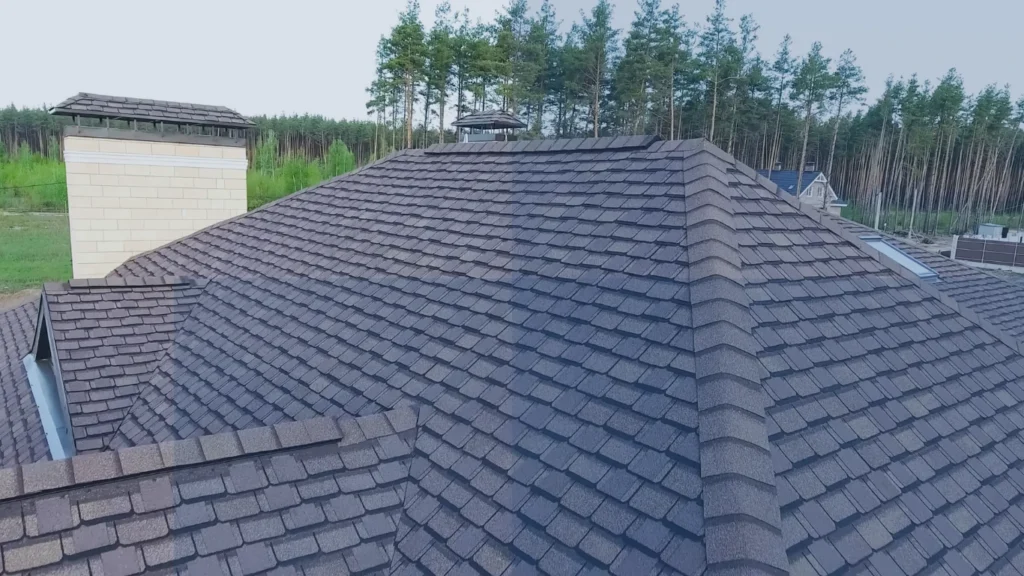
A roof inspection is a professional assessment of your roof’s overall condition. An inspector examines the surface materials, structural elements, flashing, gutters, and depending on the scope the attic below. The goal is to catch problems early, before a small issue becomes a $9,000 roof replacement.
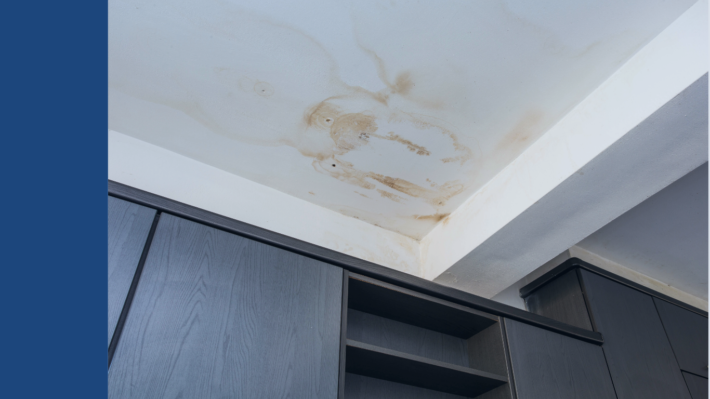
Inspections are commonly ordered before buying or selling a home, after a major storm, as part of an annual maintenance routine, or when a homeowner notices signs of trouble like water stains on the ceiling or missing shingles.
A professional inspector will check for things like:
- Structural decay or sagging
- Water damage and active leaks
- Moss, mold, or algae growth
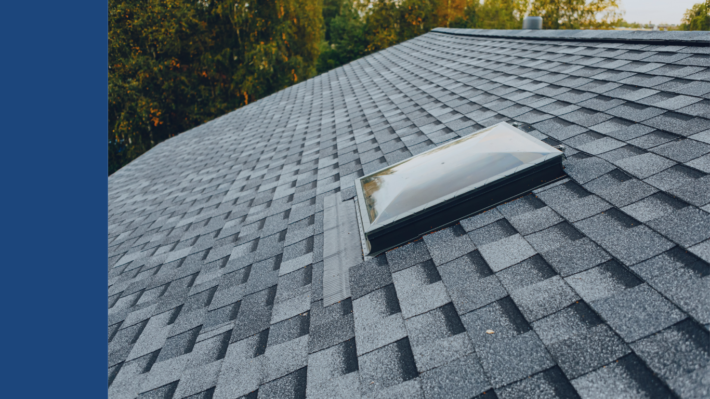
- Worn or missing shingles
- Wind or hail damage
- Holes, cracks, or failed flashing
- Pest intrusion
Average Roof Inspection Cost by Type
There are three main types of roof inspections, and the one you need will depend on your roof’s accessibility and condition. Here is a quick look at what each one typically costs:
Inspection Type | Average Cost Range |
Physical inspection | $75 – $200 |
Drone inspection | $150 – $400 |
Infrared inspection | $400 – $600 |
Physical Roof Inspection
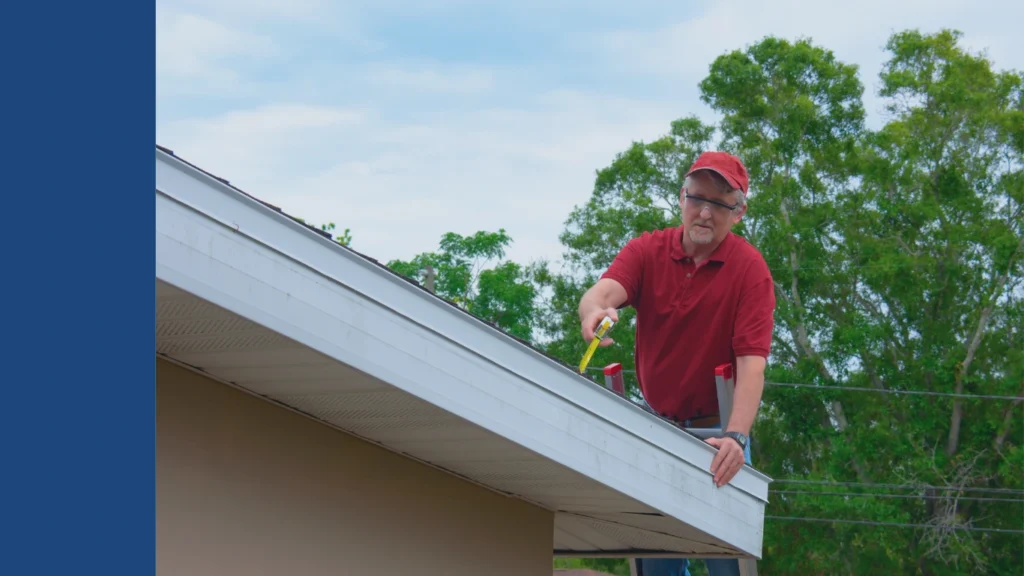
A physical inspection is the most common and least expensive option. An inspector physically gets on your roof or accesses it as closely as possible to look for visible damage. This works well for standard-pitched roofs with easy access.
Drone Roof Inspection
If your roof is too steep, too high, or potentially unstable to walk on, a drone inspection is a safer alternative. A qualified drone operator flies the device over your roof, capturing high-resolution photos that can be shared with you, your contractor, or your insurance company.
This option is popular in areas with multi-story homes or complex roof designs. Expect to pay $150 to $400, and check whether your homeowners insurance might cover it.
Infrared Roof Inspection
Infrared inspections are the most advanced and the most expensive option. A drone equipped with thermal imaging technology scans your roof for heat and moisture imbalances, which can signal saturated insulation, hidden cracks, or seal failures that won’t show up in a standard visual check.
This type of inspection is particularly useful for flat or low-slope commercial-style roofs, or for homeowners who suspect a slow leak but can’t find the source. Budget $400 to $600 for this level of detail.
Want a more accurate price for your specific roof? Trusted Home Quotes lets you compare free inspection quotes from local roofing professionals in your area.
Cost Factors: What Affects the Price?
Several variables influence what you’ll actually pay for a roof inspection. Understanding these can help you set realistic expectations and avoid surprises.
Roof Size
Larger roofs take more time to inspect, and some contractors charge by the square foot rather than a flat fee. Bigger homes with more roof surface area will naturally cost more to assess thoroughly.
Roof Pitch and Accessibility
Steeper roofs are harder and riskier to navigate. If your roof has a sharp slope or sits atop a three-story home, an inspector may need special equipment or may recommend upgrading to a drone inspection, which adds to the cost.
Roofing Material
Different materials require different expertise. A standard asphalt shingle roof is straightforward for most inspectors. A slate, tile, or cedar shake roof needs someone with specialized knowledge and that expertise comes at a premium. Inspectors also have to be careful about foot traffic on fragile materials, which can slow the job down.
Extent of Damage
If your roof is already visibly damaged or in poor condition, the inspection may take longer than usual. Some inspectors charge extra if the job runs beyond a standard time window.
Your Location
Labor costs vary significantly across the country, and roof inspection prices follow that pattern. A homeowner in a rural Midwestern town will typically pay less than someone in a high cost-of-living metro area on the West Coast.
Roof Inspection Cost by Roof Size
While many inspectors charge a flat fee, here’s a general breakdown of what you might pay based on roof square footage:
Roof Size (Square Feet) | Average Cost Range |
1,000 sq ft | $75 – $210 |
1,700 sq ft | $125 – $357 |
2,000 sq ft | $150 – $420 |
3,000 sq ft | $225 – $630 |
3,500 sq ft | $265 – $735 |
If you’re not sure of your roof’s square footage, a quick way to estimate it is to multiply your home’s footprint by a factor based on your roof’s pitch. Most roofing contractors can give you a ballpark figure when you call for a quote.
Roof Inspection Costs by Region
Where you live has a real impact on what you’ll pay. Here’s a regional breakdown to give you a sense of local price ranges:
Region | Typical Cost Range |
Eastern Seaboard | $170 – $370 |
Southeast | $190 – $200 |
Southwest | $130 – $160 |
West Coast | $250 – $1,200 |
Pacific Northwest | $220 – $420 |
The wide range on the West Coast reflects significant variation between rural areas and major metro markets like San Francisco or Seattle, where labor costs are considerably higher.
Common Add Ons and What They Cost
Beyond the inspection itself, there are a few additional services worth knowing about especially if you’re buying or selling a home or suspect there’s more going on than surface-level damage.
Attic Inspection
An attic inspection runs $200 to $500 on average. Since the attic is directly below the roof deck, it often reveals problems that aren’t visible from the outside things like wood rot, mold growth, moisture intrusion, or poor ventilation. Some inspectors include the attic in their standard scope; others charge separately. Always ask upfront.
Roof Certification
A roof certification typically costs $75 to $200. After the inspection, the contractor issues a document that describes the condition of your roof and estimates how many years of life it has left. This document is commonly required by mortgage lenders and can give potential homebuyers peace of mind. It’s a small investment that can make or break a real estate transaction.
Roof Repairs
If the inspection turns up problems and it often does you’ll want to budget for repairs. Most homeowners spend between $400 and $1,800 on standard roof repairs. More serious structural issues can push that number above $7,000. If the damage is extensive enough, a full replacement may be necessary, which averages around $9,000 nationally but can run much higher depending on roof size, pitch, and material.
Inspection costs can add up quickly, use Trusted Home Quotes to get detailed quotes from vetted local contractors before you commit.
How Often Should You Get Your Roof Inspected?
The right frequency depends on a few factors:
In mild climates without major weather events, having a professional inspection every two years is generally sufficient. In areas that see frequent high winds, heavy snow, hail, or ice storms, an annual inspection is the smarter call.
If you have mature trees hanging over your roof, plan on twice-a-year DIY visual checks from the ground, plus a professional inspection at least once a year. Debris from overhanging branches can trap moisture and accelerate shingle deterioration faster than most homeowners expect.
A good rule of thumb: always schedule an inspection after a major storm, even if your roof looks fine from the yard. Some of the most costly damage like hail impacts on shingles or bent flashing isn’t visible without getting close.
As a general maintenance schedule, most roofing professionals recommend:
- Annual professional inspections for homes in high-weather-impact areas
- Every two years for homes in mild climates
- After any major storm, regardless of visible damage
- Before listing your home for sale
- When you’re purchasing a home (in addition to a general home inspection)
Why Hire a Professional Instead of DIYing It?
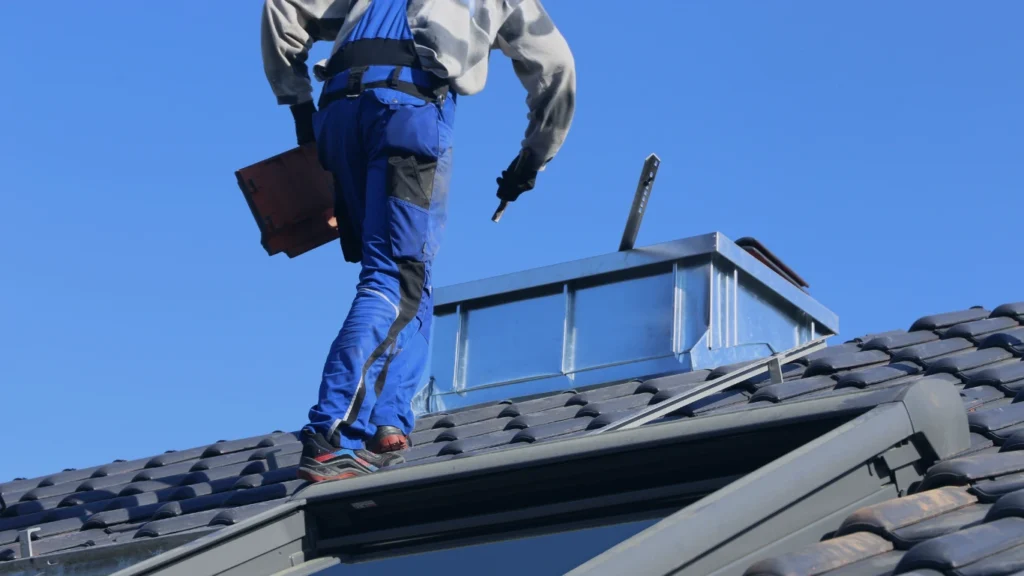
It’s tempting to grab a ladder and take a look yourself. But there are a few good reasons to leave this one to the pros.
First, getting up on a roof is genuinely dangerous especially on multi-story homes or steep pitches. Falls from roofs are one of the most common causes of serious home improvement injuries every year.
Second, walking on certain roofing materials without knowing how to distribute your weight properly can cause damage. A trained inspector knows how to move across slate, tile, and wood shake without breaking anything.
Third and maybe most importantly professionals know what to look for. Early warning signs like hairline cracks in flashing, granule loss on shingles, or subtle sagging in the roof deck are easy for an untrained eye to miss entirely. Catching those early is exactly what makes an inspection worthwhile.
Finally, having a written inspection report from a licensed professional can be a real asset if you ever need to file a homeowners insurance claim for storm or water damage.
If you want to keep an eye on things between professional visits, here’s what you can do safely from the ground:
- Walk around your home every six months and look for missing, curled, or discolored shingles
- Check after major storms for new damage
- Look in your attic for water stains, daylight coming through the roof deck, or musty odors
- Watch your energy bills unexpected spikes can sometimes point to insulation or ventilation issues tied to roof damage
Tips to Save on Roof Inspection Costs
Roof inspections aren’t terribly expensive to begin with, but there are a few ways to get more value out of the money you spend.
Bundle with Repairs
If you already know your roof needs work, skip the standalone inspection and call a contractor for a repair estimate. Most roofers perform a basic inspection as part of the estimating process at no extra charge. You get a professional assessment and a repair quote in one visit.
Stay on Schedule
Neglecting routine inspections tends to cost more in the long run. Small problems a few cracked shingles, minor flashing wear are cheap to fix. Those same problems, left unaddressed for a year or two, can lead to deck rot, mold, or full-scale structural damage. Staying on top of annual inspections is the most reliable way to avoid a repair bill.
Know Your Warranty Terms
Many roofing warranties require proof of annual inspections to remain valid. If your roof is still under a manufacturer’s or contractor’s warranty, keeping up with inspections is not just smart maintenance, it’s a contractual requirement that protects your coverage. Letting a warranty lapse over a missed inspection is an avoidable mistake
Final Thoughts
A roof inspection is a great precautionary thing you can do as a homeowner. For a few hundred dollars, you get a professional to inspect your roof to determine its current shape. The investment is well worth it.
If you’re ready to get started, reach out to a local roofing professional for a quote. Make sure to mention your roof type, the number of stories on your home, and any visible damage or concerns you’ve already noticed. The more context you give upfront, the more accurate your estimate will be.
Frequently Asked Questions
Is a roof inspection the same as a home inspection?
No. A general home inspector will take a brief look at your roof as part of a broader walkthrough, but they aren’t roofing specialists. A dedicated roof inspector goes much deeper examining the structural elements, flashing, underlayment, and sometimes the attic. If you’re buying a home, getting both a general inspection and a separate roof inspection is the most thorough approach.
Does homeowners insurance cover the cost of a roof inspection?
In some cases, yes. If you’re filing a claim for storm damage, your insurer may cover the cost of a professional inspection to document the damage. Coverage for routine preventive inspections varies by policy, so it’s worth a call to your agent before you schedule.
What’s the difference between a roof inspection and a roof certification?
A roof inspection is the assessment itself the inspector evaluates the current condition of your roof. A roof certification is a document issued after the inspection that summarizes findings and estimates the remaining lifespan of the roof. Certifications are often required by mortgage lenders and can be a selling point when listing a home.
Can I inspect my own roof?
You can do basic visual checks from the ground or from inside your attic, and that’s genuinely useful between professional visits. But a DIY inspection is not a substitute for a professional one. Trained inspectors know how to identify early-stage damage that most homeowners would walk right past, and a professional report carries weight with insurers and lenders that a DIY assessment doesn’t.
How long does a roof inspection take?
A standard physical inspection typically takes one to two hours for an average-sized home. Larger roofs, steeper pitches, or roofs in poor condition may take longer. Drone and infrared inspections can take a similar amount of time, though the drone operator may need additional time to process and deliver the photo documentation.
What should I do if the inspection finds damage?
Ask your inspector for a written report detailing the issues found, their severity, and recommended next steps. Get at least two or three repair quotes from licensed contractors before committing to any work. If the damage was caused by a storm or sudden event, contact your homeowners insurance company before making any repairs. Your insurer may need to assess the damage before you proceed.
Is it worth getting a roof inspection before selling my home?
Absolutely. A pre-listing roof inspection lets you address any issues on your own terms before a buyer’s inspector finds them. It also signals to buyers that you’ve maintained the home well, which can support your asking price and help the transaction move more smoothly.