
Is Trenchless Sewer Repair Right for Your Home? Here’s the Scoop
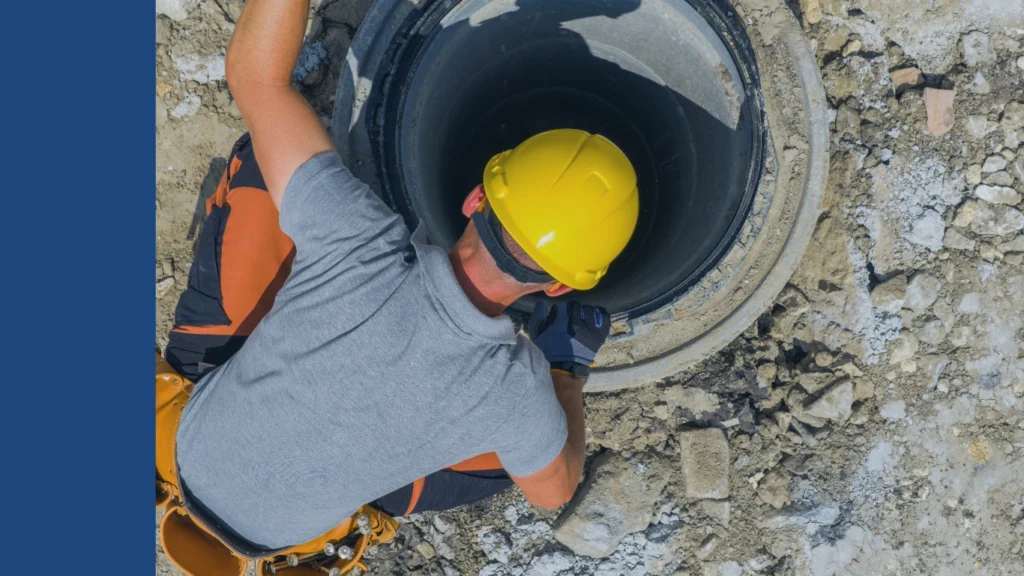
Let’s be honest: nobody wants to think about their sewer line. It’s one of those “out of sight, out of mind” parts of homeownership—until suddenly, it isn’t. If you’re dealing with slow drains, strange gurgling sounds, or a yard that’s starting to smell a bit “swampy,” you’re likely facing a sewer repair.
In the old days, this meant bringing in a backhoe and digging a massive, ugly trench right through your prize-winning rose bushes or your expensive driveway. But these days, we have a much cooler, cleaner option: trenchless sewer repair. If you’re wondering whether this “no-dig” tech is actually worth the hype (and the cost), you’re in the right place. Let’s break down how it works and whether it’s the right move for your property.
Key Takeaways
- Minimal Mess: Trenchless methods require only one or two small access points, saving your landscaping and driveway from destruction.
- Faster Turnaround: Most trenchless jobs are completed in a single day, whereas traditional digging can take nearly a week.
- Long-Lasting: Modern epoxy liners and HDPE pipes are rated to last 50 years or more.
- Cost-Effective: While the tech itself can be pricier upfront, you save thousands by not having to replant your yard or repave your driveway afterward.
Table of Contents
- What Exactly is Trenchless Sewer Repair?
- The Two Main Methods: Pipe Lining vs. Pipe Bursting
- When is Trenchless a “Good Idea”?
- The Reality Check: When Trenchless Won’t Work
- Cost vs. Value: Doing the Math
- Final Thoughts
- Frequently Asked Questions
What Exactly is Trenchless Sewer Repair?
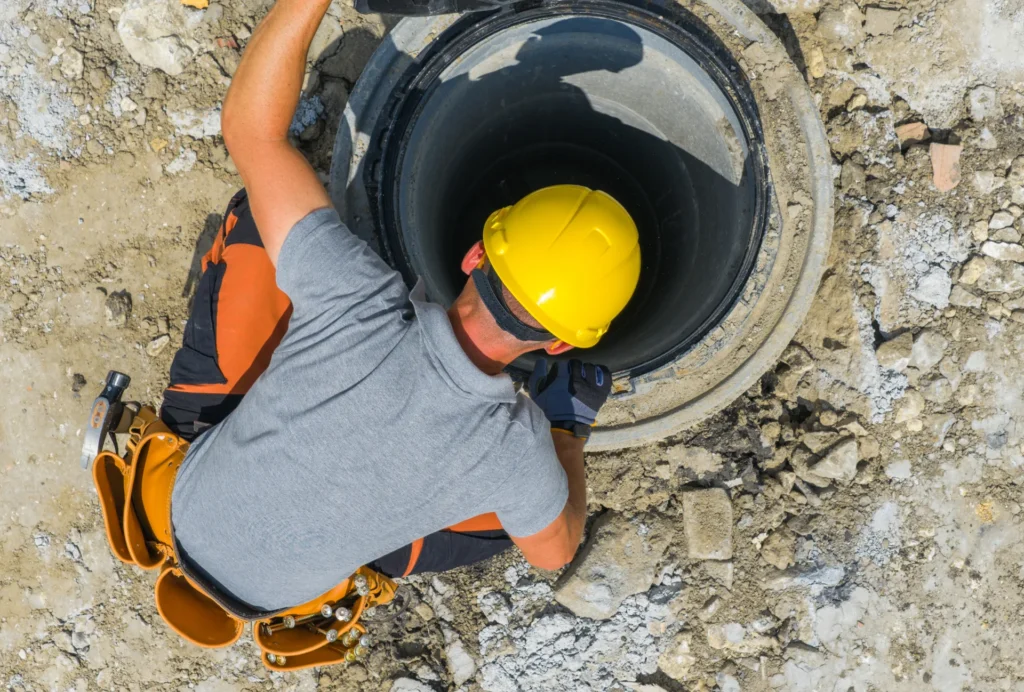
In the simplest terms, trenchless sewer repair is a way to fix or replace your underground pipes without turning your front yard into a construction site.
Think of it like laparoscopic surgery for your house. Instead of “opening up” the entire length of the pipe, a professional plumber uses specialized cameras and equipment to fix the pipe from the inside out.
Real-Life Example: Imagine you have a beautiful, 20-year-old Japanese Maple tree sitting right on top of your sewer line. With traditional repair, that tree is toast. With trenchless, a technician can slide a new pipe right under the roots, and your tree stays perfectly intact.
The Two Main Methods: Pipe Lining vs. Pipe Bursting
There isn’t just one way to go trenchless. Depending on the state of your pipes, a pro will usually recommend one of these two “magic” tricks:
1. Cured-in-Place Pipe Lining (CIPP)
Often called “pipe relining,” this involves threading a flexible, resin-coated tube into your old pipe. Once it’s in place, the resin is inflated and hardened (cured).
- The Result: You end up with a brand-new, seamless pipe inside your old, leaky one. It’s like a permanent sleeve that seals off cracks and prevents future root intrusion.
2. Pipe Bursting
If your old pipe is too damaged to line, pipe bursting is the go-to. A heavy-duty “bursting head” is pulled through your old pipe, breaking it apart while simultaneously pulling a brand-new, high-density polyethylene (HDPE) pipe into its place.
- The Result: Your old pipe is gone, and a new, slightly larger one is ready for action.
When is Trenchless a “Good Idea”?
For most homeowners, trenchless is a no-brainer. It’s especially helpful if:
- Your Curb Appeal Matters: If you’ve spent thousands on professional landscaping, a patio, or a paved driveway, trenchless saves you from the “reconstruction” costs that come after the plumbing work is done.
- You’re on a Tight Schedule: Nobody wants to be without a working bathroom for four days. Trenchless is usually an “in-and-out” job.
- You Have Recurring Root Issues: Old clay or cast-iron pipes have joints that tree roots love to invade. Trenchless liners are seamless, meaning roots have nowhere to get a foothold.
The Reality Check: When Trenchless Won’t Work
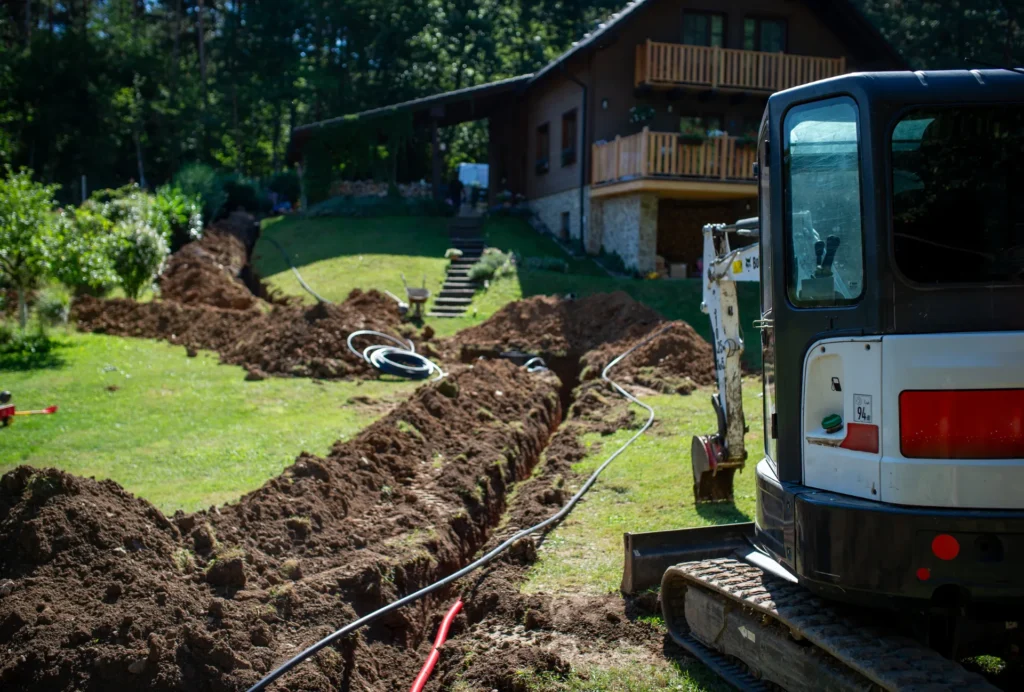
As much as we love this tech, it isn’t a magic wand for every situation. You’ll likely need to go the traditional digging route if:
- The Pipe has Collapsed: If the pipe has completely caved in on itself, there’s no way to thread a liner or a bursting head through it.
- The Pipe is “Bellied”: If the ground has shifted and your pipe now has a big “U” shape in it (a belly), gravity won’t work correctly. You’ll need to dig it up to regrade the line.
Pro Tip: Always ask for a video inspection first. A reputable plumber will show you the footage of your pipe so you can see exactly why they are recommending one method over the other.
Cost vs. Value: Doing the Math
Let’s talk numbers. Usually, the “per foot” cost of trenchless repair is about 30% to 50% higher than traditional digging.
However, you have to look at the total bill.
- Traditional: $5,000 (Repair) + $3,000 (New Driveway) + $2,000 (Landscaping) = **$10,000**
- Trenchless: $7,500 (Repair) + $0 (Restoration) = **$7,500**
In many cases, choosing the “more expensive” tech actually saves you a few thousand dollars in the long run because you aren’t paying to fix what the plumbers broke.
Final Thoughts
Sewer issues are stressful, but they don’t have to be a catastrophe for your yard. Trenchless sewer repair is a faster, cleaner, and often more cost-effective way to get your home back in working order.
Just remember: sewer work is not a DIY project. Dealing with sewage requires specialized permits, heavy machinery, and serious safety protocols. If you think your line is failing, give a pro a call to schedule a camera inspection. Your lawn (and your wallet) will thank you!
Frequently Asked Questions
How long does trenchless sewer repair last? Most liners and HDPE pipes used in pipe bursting are designed to last at least 50 years. Some experts suggest they could last up to 100 years under the right conditions!
Is it noisy? Pipe bursting involves some machinery noise, but it’s significantly quieter than having a backhoe idling in your yard for three days.
Will it reduce my pipe’s capacity? With pipe lining, the diameter is reduced by a very tiny amount (the thickness of the liner). However, because the new surface is so smooth, the “flow rate” often actually improves!
Does insurance cover this? It depends on your policy. Standard homeowners insurance often doesn’t cover “wear and tear” on sewer lines, but if you have a “Service Line Coverage” rider, you might be in luck. Always check with your agent!
