The Real Cost of a New Asphalt Driveway: 2026 Homeowner’s Guide
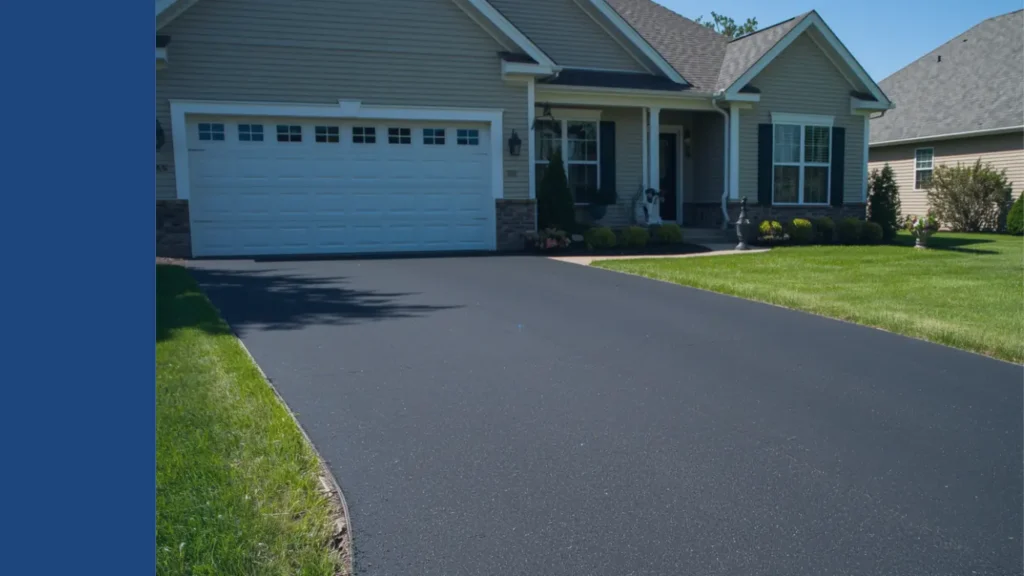
There’s nothing quite like the feeling of pulling into your driveway and seeing a fresh, smooth, jet-black surface instead of those old potholes and crumbling edges. It instantly levels up your home’s curb appeal. But if you’re staring at a “work in progress” or a gravel pit, your first question is probably: How much is this going to set me back?
In 2025, the cost to install an asphalt driveway isn’t just a single number on a flyer. It depends on how much prep your land needs, the size of your “parking pad,” and even the current price of oil. Let’s break down the dollars and cents so you can plan your project with confidence.
Key Takeaways
- Average Cost: Most homeowners spend between $4,900 and $7,300 for a full installation.
- Price per Square Foot: Expect to pay $7 to $15 per square foot for materials and labor.
- Maintenance is Key: Sealing your driveway every 2–3 years can double its lifespan.
- Climate Pro: Asphalt is the “winter king” because it flexes during freeze-thaw cycles, making it ideal for colder climates.
Table of Contents
- Cost Breakdown by Square Foot
- Major Factors That Influence Your Quote
- Asphalt vs. Concrete: Which is Better?
- Real-World Pricing Examples
- Maintenance & Long-Term Savings
- Final Thoughts
- Frequently Asked Questions
1. Average Cost Breakdown by Square Foot
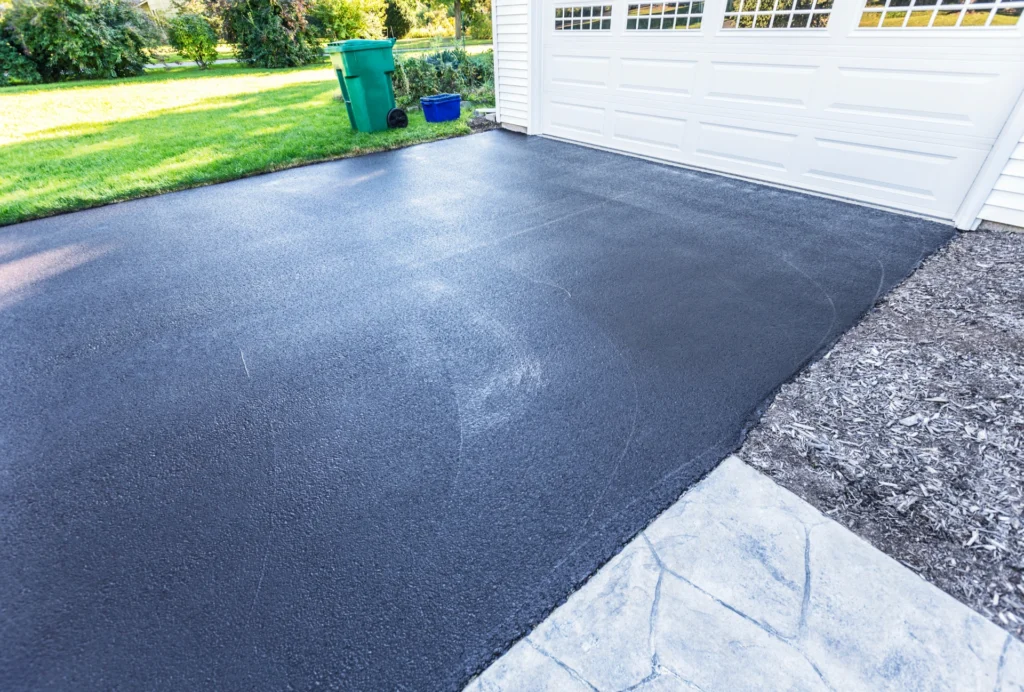
When you get a quote from a pro, they usually start with the square footage. For a standard residential driveway, you’re looking at a range of $7 to $15 per square foot.
Driveway Size | Average Dimensions | Estimated Cost Range |
Small (1-Car) | 10′ x 20′ (200 sq. ft.) | $1,400 – $2,600 |
Standard (2-Car) | 20′ x 20′ (400 sq. ft.) | $2,800 – $6,000 |
Large (4-Car) | 24′ x 36′ (864 sq. ft.) | $6,000 – $13,000 |
Note: These prices include professional labor, which typically accounts for about 50% of the total bill.
2. Major Factors That Influence Your Quote
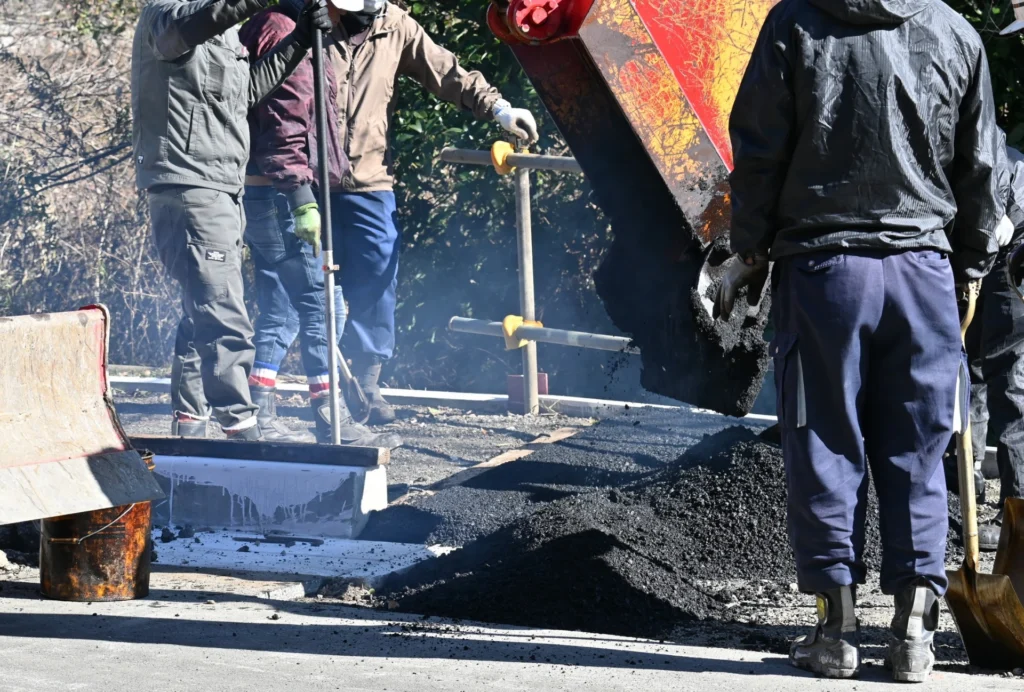
Not all driveways are created equal. Here are the “hidden” factors that can move your price up or down:
- Site Preparation: If a contractor has to dig up an old concrete slab or clear a mini-forest of shrubs, your labor costs will spike. Basic excavation and grading usually add $1 to $3 per square foot.
- The “Slope” Factor: Paving a flat surface is a breeze. Paving a steep, winding hill requires specialized equipment and more man-hours to ensure the asphalt doesn’t “slump” and drainage is handled correctly.
- Asphalt Type: Standard “hot mix” is the go-to. However, if you want porous asphalt (which allows water to drain through it) or recycled asphalt (which is eco-friendly and cheaper), your material costs will vary.
- Permits: Depending on where you live, you might need a permit to connect your driveway to a public road. These usually cost between $50 and $200.
3. Asphalt vs. Concrete: The Great Debate
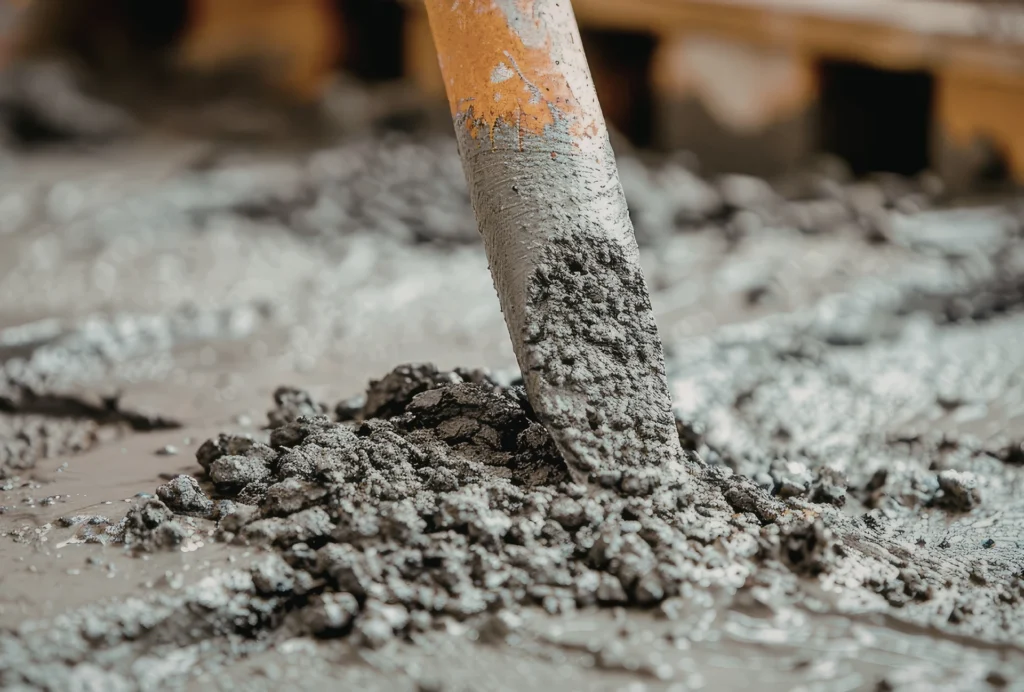
Most homeowners flip-flop between these two. Here’s the expert “vibe check”:
- Choose Asphalt if: You live in a place with snowy winters. Asphalt is flexible, so it doesn’t crack as easily when the ground freezes. Plus, the black color helps melt snow faster!
- Choose Concrete if: You want a “set it and forget it” option that lasts 40+ years and you don’t mind the higher upfront cost (usually $10–$20 per square foot).
4. Real-World Pricing Examples
To give you a better idea, here are two common scenarios we see at Trusted Home Quotes:
Example A: The Simple “Refresh”
- The Goal: Pave a flat 2-car driveway over an existing gravel base.
- The Work: Minor grading, 2 inches of hot-mix asphalt.
- Total Cost: ~$3,500.
Example B: The Full Overhaul
- The Goal: Expand a 1-car driveway into a 3-car “side-entry” garage.
- The Work: Tree removal, 12 inches of new sub-base, drainage pipe installation, and 3 inches of premium asphalt.
- Total Cost: ~$9,200.
5. Maintenance & Long-Term Savings
Asphalt is a “living” surface—it needs a little love to stay healthy.
- Sealcoating: Think of this as sunscreen for your driveway. For about $0.20 per square foot, a pro can apply a seal that protects the oils in the asphalt from drying out.
- Crack Filling: If you see a tiny crack, fill it immediately! If water gets in there and freezes, it will turn into a pothole by spring.
Final Thoughts
While it’s tempting to try and “DIY” a gravel driveway, asphalt is a job for the pros. It requires heavy rollers and hot material that must be laid at exactly the right temperature. A poorly laid driveway will crumble in three years, while a professional job can easily last twenty.
Ready to see what local pros are charging in your neck of the woods? The best way to get an accurate number is to get a few competitive quotes.
Frequently Asked Questions
How long does it take to install?
Most residential driveways are paved in just one day. However, you’ll need to wait at least 24–72 hours before driving your car on it.
When is the best time of year to pave?
You need warm air and warm ground. In most regions, the “paving season” runs from late spring through early autumn. If it’s too cold, the asphalt won’t compact properly.
Can I pave over my old driveway?
Sometimes! This is called an “overlay.” If your old driveway is structurally sound but just looks ugly, a pro can add a 1.5-inch layer on top for about half the cost of a full replacement.
Why is my quote higher than my neighbor’s?
It usually comes down to what’s underneath. If your soil is heavy clay, you need a much thicker gravel base to prevent the driveway from sinking, which adds to the material and labor cost.