How Much Does Roof Replacement Cost? [2026 Data]
By the Trusted Home Quotes Editorial Team | Updated July 14, 2026
In 2026, roof replacement cost runs $7,500 to $16,000 for most single-family homes, with a national average right around $11,000. A small, simple roof in basic three-tab shingles can come in near $4,000, while slate or clay tile on a large, complicated roof can pass $60,000.
Roof Replacement Cost by Size
Roofers price work by the roofing square, which is 100 square feet of roof surface. Most 2026 quotes work out to $4 to $11 per square foot installed, or about $400 to $1,100 per square.
Here is where homeowners miscalculate: your roof is bigger than your house. Slope and overhangs typically push roof surface area 20% to 30% above your footprint. A 1,700-square-foot single-story home often has closer to 2,100 square feet of roof to cover. The ranges below assume a full tear-off and mid-range materials.
|
Roof surface area |
Roofing squares |
Typical 2026 cost |
|---|---|---|
|
1,000 sq. ft. |
10 |
$4,000–$11,000 |
|
1,500 sq. ft. |
15 |
$6,000–$16,500 |
|
2,000 sq. ft. |
20 |
$8,000–$22,000 |
|
2,500 sq. ft. |
25 |
$10,000–$27,500 |
|
3,000 sq. ft. |
30 |
$12,000–$33,000 |
|
3,500 sq. ft. |
35 |
$14,000–$38,500 |
Roof Replacement Cost by Material
Material is where the budget really moves. The trade-off is upfront price against lifespan, weight, and climate fit. Heavier options like clay tile and slate also need a structure strong enough to carry them, which can add framing work. Asphalt still covers most American homes because it is affordable and every local crew knows how to install it. If you want something with a longer runway, our metal roof cost guide covers panel styles and pricing in more detail.
|
Material |
Installed cost per sq. ft. |
Typical lifespan |
|---|---|---|
|
Three-tab asphalt shingle |
$4.50–$7.50 |
15–20 years |
|
Architectural asphalt shingle |
$5.50–$9.50 |
25–30 years |
|
Wood shake |
$8–$15 |
25–40 years |
|
Metal (steel, aluminum, standing seam) |
$9–$17 |
40–70 years |
|
Synthetic or composite |
$9–$15 |
40–50 years |
|
Clay or concrete tile |
$10–$20 |
50–100 years |
|
Slate |
$15–$30 |
75–150 years |
In hot climates, ask about reflective products. A cool roof reflects more sunlight than a standard dark surface and can trim summer cooling costs, and certified cool roofing products exist in most material categories at little or no premium.
Labor Costs
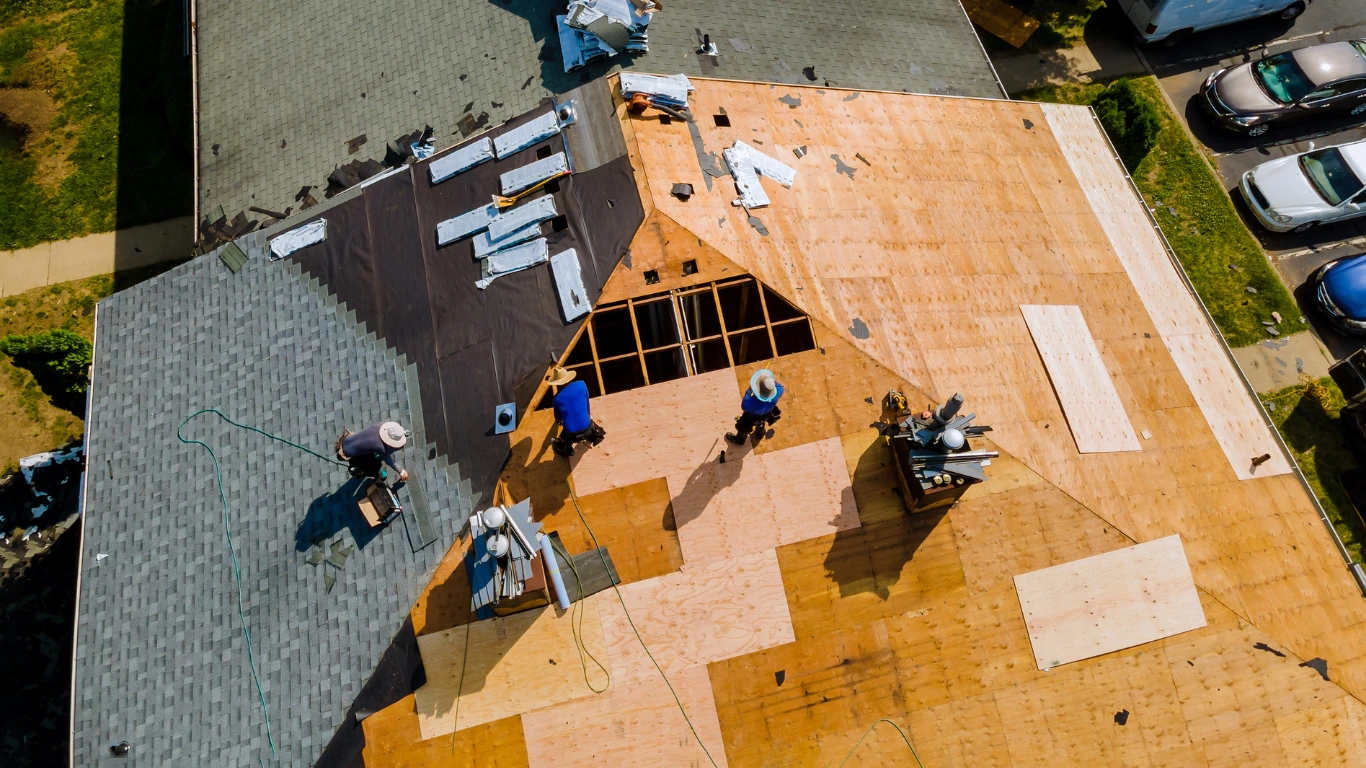
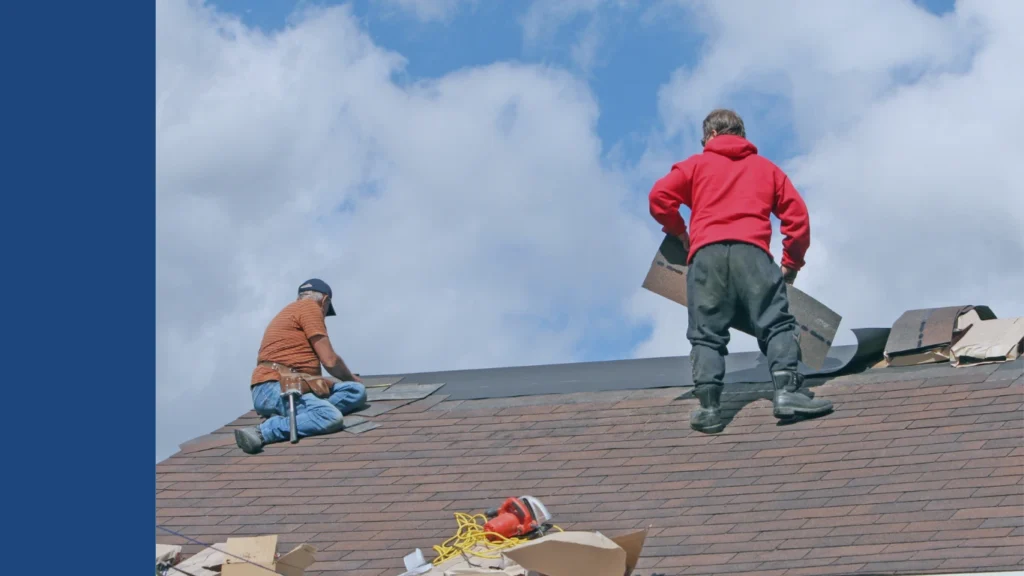
Labor is not a side item here. It usually accounts for 50% to 60% of the total, because stripping an old roof and installing a new one is slow, heavy, and genuinely dangerous work.
Roofing contractor rates
Crews generally bill $45 to $90 per hour per worker, with three to six people on a typical residential job. Most contractors quote by the square instead expect roughly $150 to $400 per square in labor for asphalt, more for tile, slate, or anything on a steep slope. For context, the median annual wage for roofers was $50,970 in the most recent federal data, or about $24.51 an hour before a contractor’s overhead, insurance, and profit.
General contractor markup
You do not need a general contractor for a standalone roof. Hire one when the roof is part of a bigger job, such as an addition or structural repairs after storm damage. General contractors typically add 10% to 25% of the project total for coordination. For roof-only work, going straight to a licensed roofer skips that layer.
Roof Replacement Cost by Location
The same roof can differ by 30% or more in price between metros. Labor rates track local cost of living, so dense markets in the Northeast and on the West Coast run above the national average while much of the South and Midwest runs below it. Rural homeowners sometimes pay a mobilization fee when crews travel an hour out.
Climate changes the spec, too. Hail and hurricane regions often require impact-rated shingles, wildfire areas require Class A fire ratings, and northern climates need ice-and-water shield at the eaves. Those are code requirements, not upsells. Permit fees also swing by municipality, and HOAs may need to approve shingle color before anyone starts.
Additional Cost Factors
Roof pitch and accessibility
Pitch is steepness, written as rise over run a 6/12 pitch rises six inches for every twelve horizontal inches. Anything past a walkable slope means harnesses, staging, and slower progress, commonly adding 10% to 25% to labor. Valleys, dormers, chimneys, and skylights add cutting and flashing time, so your roof’s shape affects the quote as much as its square footage.
Tear-off, disposal, and dumpster rental
Tear-off means stripping the old roofing down to the bare deck. It typically adds $1 to $2 per square foot, or about $1,000 to $3,000 on an average home, including the dumpster and dump fees. The National Roofing Contractors Association recommends a full tear-off rather than layering new shingles over old, since an overlay hides deck problems and shortens the life of the new roof.
Decking or underlayment repairs found mid-job
Decking is the plywood or OSB sheathing under everything, and underlayment is the water-resistant layer between the deck and the shingles. Nobody can see rot until the old roof is off, so keep a contingency replacement sheets run $70 to $120 each installed. Ask your contractor to write a per-sheet price into the contract.
Permits
Most cities require a permit for a full replacement, typically $150 to $800, and up to $1,000 or more in dense urban jurisdictions. Your roofer normally pulls it and bills it through — confirm that in writing, because unpermitted roof work tends to surface during a home sale.
Post-installation inspection
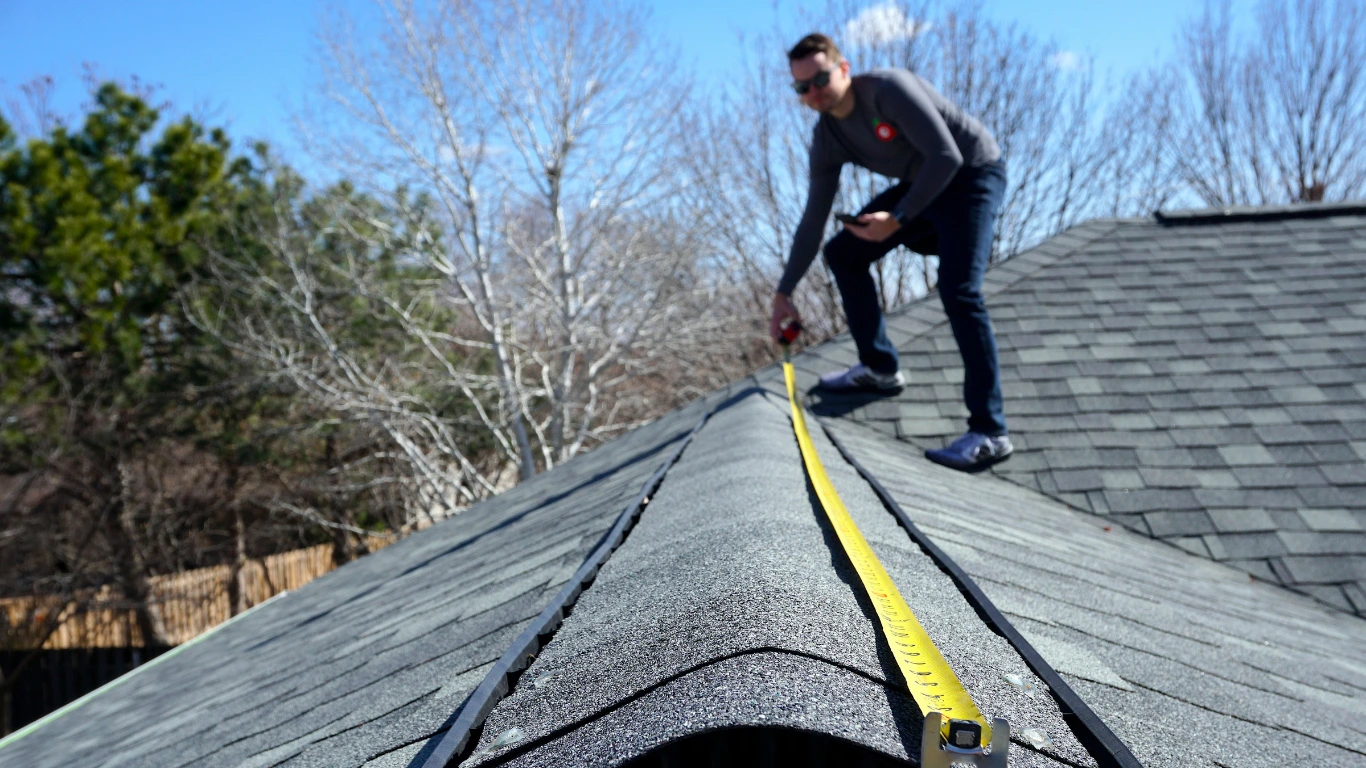
An independent inspection after the crew leaves is cheap insurance on a five-figure project. Most run $200 to $350, and our roof inspection cost guide explains what inspectors check.
Warranties
A manufacturer warranty covers defects in the shingles and is often included. A workmanship warranty covers installation errors and comes from your contractor, usually two to 25 years, with extended coverage adding $500 to $2,000. Installation mistakes cause more roof failures than defective product, so the workmanship term is the one to scrutinize.
Homeowners insurance
Insurance generally pays when a covered event hail, wind, a fallen tree damages a roof suddenly. It does not pay when a roof simply wears out, and many policies now settle older roofs at actual cash value, meaning depreciation comes out of your check. Read your declarations page before assuming a claim will cover it.
Roof Replacement vs. Roof Repair
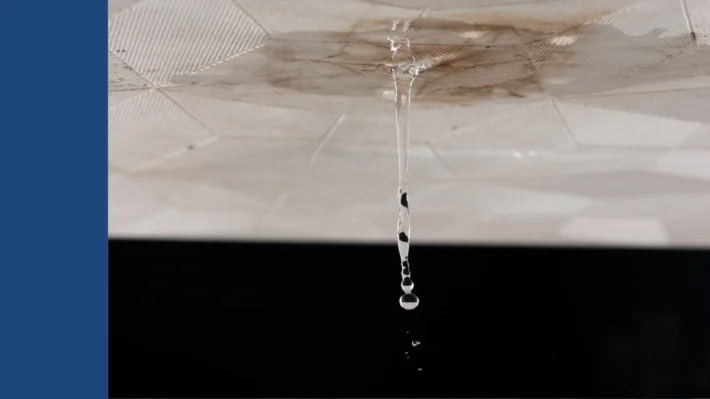
If damage is isolated and the rest of the roof still has years left, repair. If the roof is near the end of its rated lifespan, or leaks keep appearing in new spots, replacement is usually cheaper over five years. A practical threshold: when a repair would cost 30% or more of a full replacement, replacing tends to win.
|
Scope of work |
Typical 2026 cost |
|---|---|
|
Replacing a few damaged shingles |
$150–$600 |
|
Flashing repair at a chimney or wall |
$300–$1,000 |
|
Leak repair with a small decking patch |
$600–$1,800 |
|
Partial replacement (one slope) |
$2,500–$7,000 |
|
Full roof replacement |
$7,500–$16,000 |
Partial replacement is a real option when one slope has weathered badly, but you still pay for permits and disposal, and the per-square price is higher for a smaller job.
Why Hire a Roofing Pro
Roof replacement is not a realistic DIY project. Falls are a leading cause of serious injury in construction, and no savings justify working a slope without staging or fall protection. Beyond that:
- Manufacturer warranties generally require certified installation. A DIY roof voids most of them.
- Flashing and ventilation are where roofs actually fail, and both take experience to get right.
- Licensed contractors carry liability and workers’ compensation coverage.
- Permits and code inspections get handled for you, which matters when you sell.
- A professional crew finishes a typical asphalt roof in one to three days.
When you are ready to price the work, you can compare local roofers through Trusted Home Quotes and see several bids side by side.
How to Save Money on a Roof Replacement
- Get three or more written quotes with itemized line items, not one-page totals.
- Schedule in the off-season. Late winter and early spring are slower for most crews than late summer and fall.
- Check for an existing warranty on your current roof, and file an insurance claim if storm damage is involved.
- Choose a mid-tier material. Architectural shingles hit the best balance of price and lifespan for most homes.
- Ask whether partial replacement is appropriate if only one slope has failed.
- Look into assistance programs, including USDA repair loans and grants and HUD home improvement programs.
- Bundle related work. If your gutters are also failing, handling both at once saves a second mobilization check current gutter replacement costs first.
Does a New Roof Increase Home Value?
Partly. Industry cost-versus-value tracking generally puts the recoup on an asphalt shingle replacement in the 55% to 70% range at resale, with premium materials often recouping a smaller percentage despite costing more.
The more useful framing is protection rather than appreciation. A failing roof shows up in every inspection report, gives buyers a reason to negotiate, and in some markets makes a home hard to insure at all. A sound roof does not necessarily add to your asking price, but a bad one will absolutely subtract from it — and how much you recover depends heavily on your local market.
Next Steps: What to Discuss With Your Roofer
- Which materials fit your budget, your climate, and any HOA rules
- What the workmanship warranty covers, how long it lasts, and whether it transfers to a buyer
- Whether decking replacement is included or billed separately, and at what price per sheet
- The projected start date and how many working days the job will take
- Who handles cleanup, nail sweeping, and dumpster removal
- The payment schedule, including deposit size and what triggers final payment
How Trusted Home Quotes Gets Its Cost Data
Our ranges are researched, not estimated. We pull from established cost databases, consumer finance reporting, federal wage data from the Bureau of Labor Statistics, industry guidance, and current contractor pricing across U.S. markets. National ranges are a budgeting tool, not a quote for pricing that reflects your actual roof, compare free quotes from vetted contractors in your area.
Frequently Asked Questions
How much does a roof replacement cost in 2026?
Most homeowners spend $7,500 to $16,000, with a national average near $11,000. Small, simple roofs in basic asphalt can come in around $4,000, while large roofs in slate or clay tile can exceed $60,000. Size, pitch, material, and local labor rates drive the difference.
How much does a new roof cost per square foot?
Expect $4 to $11 per square foot installed for most materials in 2026, or $400 to $1,100 per roofing square. Three-tab asphalt sits at the low end, architectural shingles in the middle, and metal, tile, and slate at the top of the range.
Is it cheaper to repair or replace a roof?
Repair is cheaper short term and makes sense for isolated damage on a roof with years of life left. Once a repair would cost 30% or more of a replacement, or leaks keep appearing in new places, full replacement usually costs less over the following five years.
How long does a roof last?
Three-tab asphalt shingles last 15 to 20 years and architectural shingles 25 to 30. Wood shake runs 25 to 40 years, metal 40 to 70, tile 50 to 100, and slate can pass a century. Climate, ventilation, and installation quality shift those numbers.
How long does a roof replacement take?
A typical asphalt roof takes one to three working days, including tear-off. Larger homes, steep pitches, heavy materials like tile or slate, and weather delays can stretch the job to a week or more.
You Might Also Like
- How Much Does a Roof Inspection Cost in 2026?
- How Much Does a Metal Roof Cost in 2026?
- How Much Does Gutter Replacement Cost in 2026?
- 7 Types of Gable Roofs: Which One Is Right for Your Home?
Get Real Numbers for Your Roof
National averages get you a budget. A local roofer gets you a price. Compare free quotes from trusted local roofers through Trusted Home Quotes free, no obligation, just vetted pros who can measure your roof and tell you what the job actually costs. While you are here, browse our other home project cost guides.