How Much Does Shower Installation Cost in 2026?
Planning a new shower but not sure what you’re going to pay? Shower installation is one of those projects where costs can swing wildly depending on what you choose and homeowners are often surprised (in both directions) when they start getting quotes.
The good news: once you understand what drives the price, you can budget smarter, avoid overpaying, and make decisions you’ll actually be happy with for years to come. Whether you’re doing a simple tub-to-shower conversion or going all-in on a custom walk-in with steam jets, this guide breaks it all down.
Key Takeaways
- Most homeowners spend between $4,446 and $12,365 for a new shower installation in 2026, with the national average sitting around $8,196.
- The type of shower you choose is the biggest cost driver; a prefab walk-in shower starts around $1,150, while a custom steam shower can exceed $7,000.
- Labor makes up 40%–60% of your total project cost, so getting multiple quotes from local pros is essential.
- Hidden costs like permits, demolition, waterproofing, and tile work can add thousands and always ask your contractor what’s included.
- DIY installation is only recommended for prefab kits or basic liner replacements. Plumbing and waterproofing errors can cost far more to fix than the money you save.
Table of Contents
- Average Shower Installation Cost in 2026
- Cost by Shower Type
- How Size Affects Your Price
- Labor Costs: Who You’ll Need to Hire
- Hidden Costs to Watch Out For
- Custom vs. Prefab: Which Is Right for You?
- DIY vs. Hiring a Pro
- Does a New Shower Increase Home Value?
- 8 Ways to Save on Shower Installation
- Final Thoughts
- Frequently Asked Questions
Average Shower Installation Cost in 2026
According to data from thousands of real homeowner projects, here’s what shower installation typically costs in 2026:
$387 Low End | $8,196 National Average | $16,875 High End |
Want a more accurate estimate for your bathroom? Trusted Home Quotes lets you compare free quotes from local shower installation pros in your area.
Cost by Shower Type
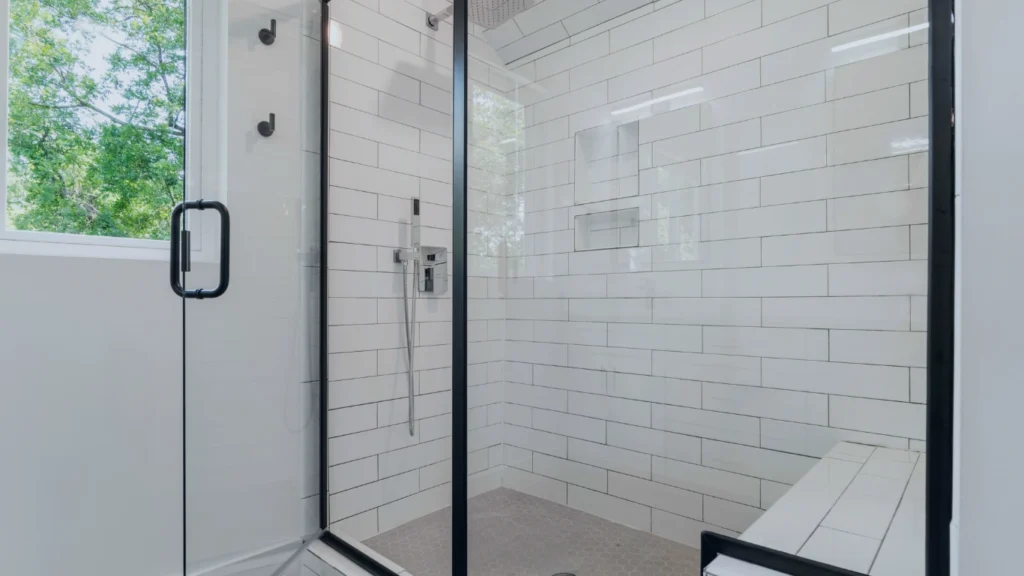
The type of shower you choose has the biggest impact on your budget. Here’s a breakdown of what each type typically costs, including materials and professional installation:
Shower Type | Average Cost Range |
Walk-in shower | $1,150 – $8,000 |
Tub-shower combo | $1,500 – $8,500 |
Steam shower | $2,800 – $7,100 |
Accessibility shower (ADA) | $1,750 – $8,600 |
Tub-to-shower conversion | $1,200 – $8,000 |
Walk-In Showers ($1,150 – $8,000)
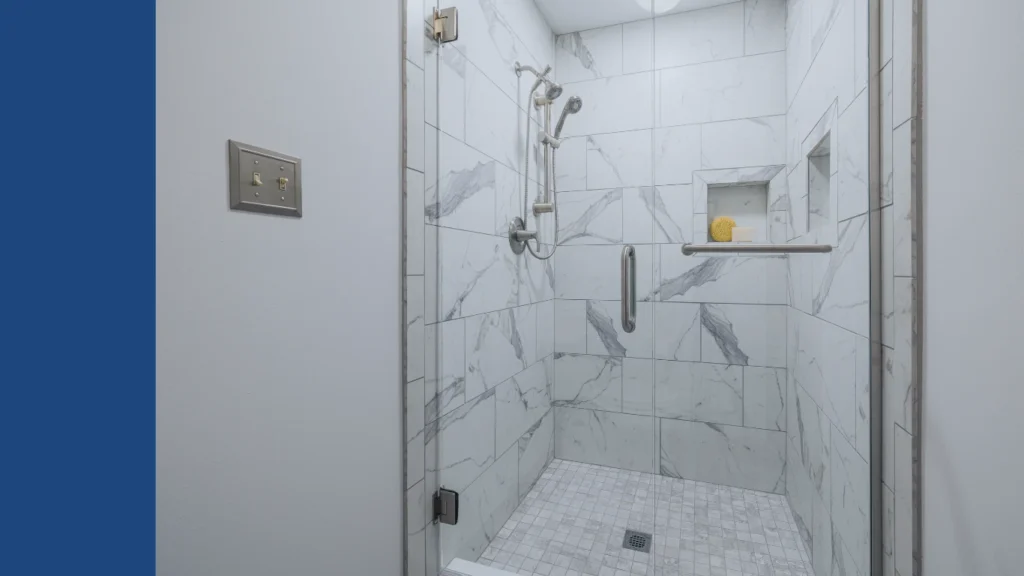
Walk-in showers are the most popular choice for modern bathroom remodels. A standard prefab unit starts around $1,150, while a larger custom-built enclosure with glass panels and premium fixtures can hit $8,000 or more. For a deeper breakdown of pricing tiers and design choices, check out our complete walk-in shower cost guide
Tub-Shower Combos ($1,500 – $8,500)
The combination adds cost versus a standalone shower, but you get double the functionality. Prefab units are at the lower end; custom tile work drives up the price.
Steam Showers ($2,800 – $7,100)
Steam showers require a sealed enclosure, a steam generator, and additional electrical work which is why they cost more even at modest sizes.
Accessibility Showers ($1,750 – $8,600)
Barrier free and ADA compliant showers include features like roll-in designs, grab bars, and low or no thresholds. The cost varies based on how much structural modification is needed.
Tub to Shower Conversions ($1,200 – $8,000)
Converting an existing tub space into a standalone shower is often the most cost-effective upgrade. Because the drain and plumbing are already in place (or close to it), you skip some of the most expensive work. If a walk-in design is on your wish list, a conversion is usually the fastest path there.
How Size Affects Your Shower Installation Price
It probably won’t surprise you to hear that bigger showers cost more but the way size affects price is worth understanding. Installers typically price custom showers by the square foot, and material costs follow the same logic.
Small shower (32″ x 32″): ~$1,150 for a prefab unit, or roughly $210/sq ft for materials
Standard tub-size (30″ x 60″): ~$3,000 for a prefab tub-shower combo, around $240/sq ft
Large walk-in (48″ x 36″ or bigger): Custom tile and glass work can exceed $5,000–$8,000
Pro Tip: If you’re tight on budget but want a spacious feel, go bigger on floor tile size (larger tiles = fewer grout lines = cleaner look) and invest in a good frameless glass panel instead of a curtain. You’ll get the open, modern feel without needing a massive footprint. |
Labor Costs: Who You’ll Need to Hire
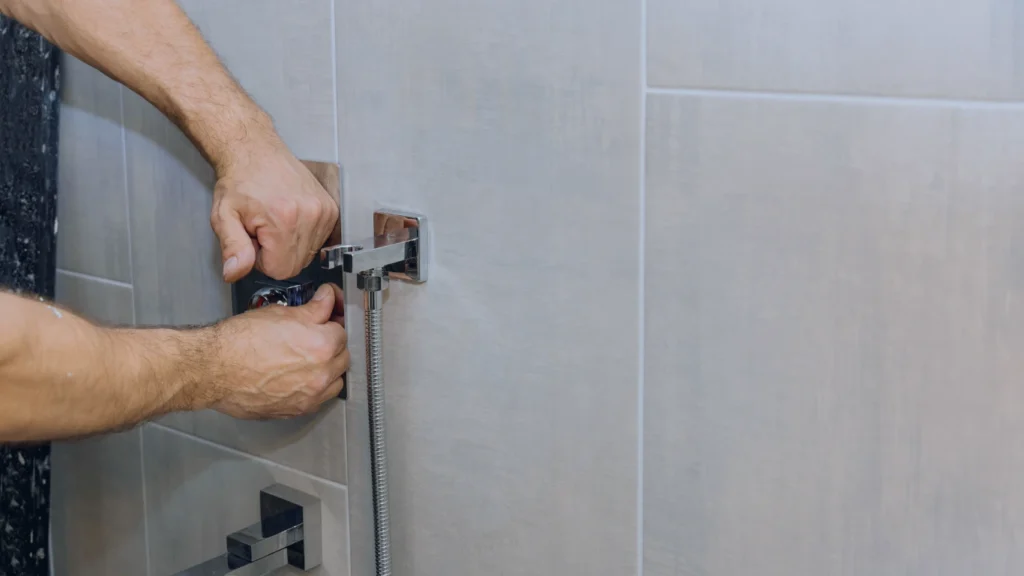
Labor is typically 40%–60% of your total project cost so on an $8,000 shower, you’re looking at $3,200–$4,800 just in professional fees. The good news is that understanding who does what helps you budget more effectively.
Professional | Hourly Rate |
Licensed Plumber | $45 – $200 per hour |
Interior Designer | $50 – $200 per hour |
Electrician | $50 – $120 per hour |
Interior Painter | $20 – $50 per hour |
Handyperson | $50 – $150 per hour |
For a standard shower replacement, you’ll almost always need a plumber. If your shower is getting a new circuit for exhaust fans, heated floors, or a steam generator, add an electrician to the list. General contractors or bathroom remodelers will often bundle multiple trades under one quote, which can simplify coordination (but always ask what’s included).
Hidden Shower Installation Costs to Watch Out For
This is the section that will save you the most headaches. Shower installation quotes rarely include everything and the extras can add thousands if you’re not expecting them. Here’s what to ask about upfront:
Demolition & Prep ($50 – $100+)
Basic demo (removing an old insert or tile) is relatively affordable. But if you’re tearing out walls, relocating a drain, or discovering water damage behind old tile, costs can increase. Always factor this in, especially in older homes.
Permits (~$250 on average)
Most jurisdictions require permits for plumbing changes. A reputable contractor will pull these for you and if someone says you don’t need one when you do, that’s a red flag.
Shower Tile ($1,800 – $6,850)
Tile is one of the biggest wild cards. Basic ceramic can cost as little as $1/sq ft for materials; imported stone or designer tiles can hit $50+/sq ft. Labor for tile installation adds more. The wall area in even a small shower adds up to a lot of square footage.
Shower Pan ($900 – $2,300)
The shower pan is the base that everything sits on. Prefab pans are cheaper; custom-tiled mortar beds are more expensive but allow any shape and look.
Shower Door ($530 – $1,400)
A tension rod and curtain will save you $600–$1,300 versus a frameless glass door. But a good glass door improves the look and resale appeal of a bathroom. It’s one of the upgrades that tends to pay off.
Post-Construction Cleanup ($250 – $700)
Tile dust, grout residue, and construction debris don’t clean themselves. Some contractors include this; many don’t. Confirm before signing.
Other Add-Ons to Budget For
- Bathtub/shower liner: $2,700 – $10,000
- Custom jets: $900 – $2,000+
- Custom drainage: $750 – $1,250
- Showerhead: $100 – $450
- Tub faucet: $450 – $1,000
- Bathroom fan: $240 – $560
- Premium/luxury materials: $2,000 – $10,000+
Avoid surprise costs by getting detailed estimates upfront. Trusted Home Quotes helps you compare quotes from vetted local bathroom pros before you commit.
Custom vs. Prefab Shower: Which Is Right for You?
This is one of the most common questions homeowners ask and the honest answer is: it depends on your priorities.
Prefab Showers
Prefab (prefabricated) shower units come as a complete kit, walls, base, and sometimes a door that snap or glue together in your existing space. They’re fast to install, easy to clean, and budget-friendly. A kit runs $250–$2,900 before installation, and because they go in quickly, labor costs are lower too.
The trade-off? You’re limited to standard sizes, and they can look and feel a bit basic. Over time, the seams can also be harder to keep mold-free than a well-grouted tile surround.
Custom Showers
Custom showers are built in place with individual materials tile, stone, glass, and fixtures chosen by you. They fit any space, look stunning, and hold their value well. The cost is higher: materials alone run $1.25–$200 per square foot depending on what you choose.
If your bathroom has an unusual layout, or you’re doing a high-end remodel that will affect resale value, custom is usually worth the investment. Just plan your budget carefully and get at least three quotes.
DIY vs. Hiring a Pro: What’s Actually Worth Doing Yourself?
Let’s be real: the appeal of saving $400–$2,000 on labor is strong. But shower installation is one of those projects where a DIY mistake can cost you far more than you saved, think mold behind walls, failed waterproofing, or water damage to the subfloor.
When DIY Makes Sense
- You’re installing a prefab shower kit in an existing, properly plumbed space
- You’re replacing a tub or shower liner
- You’re handling demolition only, ahead of professional installation
- You’re an experienced DIYer with real knowledge of plumbing, tiling, and waterproofing
- The project doesn’t involve moving pipes, rerouting drains, or structural changes
When You Should Definitely Hire a Pro
- Any new plumbing connections, pipe relocation, or drain repositioning
- Custom tile work, especially in wet areas where waterproofing matters most
- Steam shower installation (electrical and moisture-sealing requirements are strict)
- Accessibility modifications (must meet code for safety and liability reasons)
- Any project where you suspect existing water damage, mold, or structural issues
Skip costly mistakes use Trusted Home Quotes to find licensed bathroom remodelers and get the job done right the first time.
Does Installing a New Shower Increase Your Home’s Value?
Yes, Here’s how different shower projects typically perform:
Walk-in shower installation: ~55% ROI on average
Tub-to-shower conversion: ~60% ROI on average
So if you spend $8,000 on a walk-in shower, you might add $4,400 to your home’s resale value. That’s not a 1:1 return, but bathrooms are one of the first things buyers notice and an updated, modern shower can be the reason a buyer chooses your home over a competitor’s.
Location matters a lot here. In higher-end markets or neighborhoods where bathroom quality is expected, the ROI can be higher. In more modest markets, you may not recoup as much.
Pairing a shower upgrade with other targeted updates like refreshing your tub or repairing dated windows can compound the resale impact.
8 Smart Ways to Save on Shower Installation Costs
You don’t have to compromise on a great outcome to stay on budget. Here are eight practical ways to bring the cost down without cutting corners on quality:
- Choose a prefab insert. Kits start at $250–$500 for the unit alone, and installation is faster, which keeps labor low.
- Add a shower to your existing tub. A diverter valve install runs around $1,000 and gives you shower functionality without a full remodel.
- Convert your tub to a shower. Because the plumbing is already in place, tub-to-shower conversions often cost $4,000 less than new installations.
- Keep the shower in the same location. Moving plumbing adds $1,000–$5,000 or more. If you can work with the existing drain position, do it.
- Do your own demolition. You can save $300–$800 by tearing out the old surround yourself just leave the plumbing and electrical to the pros.
- Be strategic with materials. Love the look of stone? Use a stone-look porcelain tile instead of natural stone. You’ll get 90% of the visual appeal at a fraction of the cost.
- Skip the frameless door (for now). A quality tension rod and linen curtain can save you $600–$1,300. You can always upgrade the door later.
- Get at least three quotes. Labor costs vary significantly between contractors. Getting multiple bids takes a few extra days but routinely saves homeowners $500–$2,000.
Final Thoughts
Shower installation is one of those renovations that really does improve your daily life and when done well, it adds real value to your home. The key is going in with realistic expectations about cost, a clear understanding of what’s driving the price, and a vetted professional you can trust.
Start by deciding what matters most to your budget, aesthetics, functionality, or resale value. From there, the right shower type and material choices will be clear. And whatever you do, get multiple quotes before committing. The market for bathroom contractors varies widely, and a few phone calls can easily save you thousands.
Use Trusted Home Quotes to connect with licensed bathroom remodelers in your area and get free, no-obligation quotes today.
Frequently Asked Questions
How long does shower installation take?
Most shower installations take 1–3 days for prefab units and 5–10 days for custom tile work. If significant plumbing or structural changes are involved, budget for 1–2 weeks. Ask your contractor for a specific timeline before work begins.
How much space do I need for a walk-in shower?
The standard minimum is 32 x 32 inches of shower floor space. The International Residential Code also requires at least 24 inches of clearance in front of the entrance, though the National Kitchen & Bath Association recommends 30 inches for comfortable day-to-day use. If space is tight, consider a corner unit to maximize the rest of your bathroom.
Is fiberglass or acrylic better for a shower?
Both are budget-friendly and easy to clean. Acrylic tends to be lighter and more resistant to cracking than fiberglass, and it holds its color better over time. Fiberglass is slightly cheaper upfront. For most homeowners doing a budget-conscious renovation, acrylic is the better long-term choice.
How long does an acrylic shower last?
A well-maintained acrylic shower can last 10–15 years or more. Avoid abrasive cleaners, which can scratch the surface and make it harder to keep clean. Reglaze it if it starts to look dull that can add another 5–10 years without a full replacement.
Do I need a permit to install a shower?
In most cases, yes especially if the project involves plumbing changes. Your contractor should handle permit applications as part of the job. If a contractor tells you permits aren’t needed for work that clearly involves plumbing, be skeptical and check with your local building department directly.
What’s the most affordable shower option?
A prefab shower insert is the most budget-friendly choice, with kits starting around $250–$500 for the unit alone. Combined with basic installation in an existing plumbed space, you can complete a functional shower upgrade for as little as $1,500–$2,500 total.
Can I install a shower myself to save money?
You can but only in limited scenarios. Prefab kits in existing spaces, liner replacements, and basic demo work are all reasonable DIY tasks. Anything involving plumbing connections, tile waterproofing, or structural changes should be left to licensed professionals. The cost of fixing a failed waterproof job or a burst pipe connection will far exceed whatever you saved on labor.
You Might Also Like