Tub-to-Shower Conversion Cost (2026 Guide)
Most homeowners can expect the tub to shower conversion cost to land between $3,000 and $9,000 in 2026, with the average project running close to $6,000. A bare-bones prefab swap can start near $1,200, while a fully custom tiled walk-in shower with premium glass can climb past $15,000.
Key Takeaways
- Expect to pay roughly $3,000 to $9,000 to convert a tub to a shower, with most homeowners spending around $6,000.
- A prefab shower stall is the budget-friendly route; a custom tiled walk-in shower is the priciest.
- Shower type and size, materials, and any plumbing or layout changes are the biggest factors that move your total.
- Permits typically add $200 to $2,000, and old-tub removal plus drain or pipe changes can stack on hundreds more.
- Getting three or more quotes is the single easiest way to avoid overpaying.
Swapping that tub for a shower is one of the most popular bathroom upgrades homeowners take on, and the tub to shower conversion cost is easier to plan for than you might think. Below, you’ll find clear 2026 price ranges by shower type and size, a breakdown of what drives the labor bill, the extras that sneak onto an invoice, and a few honest ways to keep the number down. The goal is simple: walk into your contractor meetings already knowing what’s fair.
Tub-to-Shower Conversion Cost by Type
There isn’t one standard way to turn a tub into a shower, and the path you choose has the biggest single effect on price. The three most common routes are a prefab shower stall, a walk-in shower, and a fully custom tiled enclosure.
|
Conversion Type |
Typical Cost Range |
|---|---|
|
Prefab shower stall (acrylic or fiberglass kit) |
$1,200 – $8,000 |
|
Walk-in shower (mixed materials) |
$3,000 – $12,000 |
|
Custom tiled shower |
$3,500 – $15,000+ |
|
Tub-cut accessibility conversion |
$800 – $1,800 |
Prefab Shower Stall Replacement
A prefab shower stall is a factory-molded unit, sold as a kit with wall panels and a base, that drops into the footprint your tub leaves behind. Because the heavy lifting happens at the factory, this is the fastest and most affordable option, usually $1,200 to $8,000 installed. Acrylic and fiberglass kits resist leaks well and can often go in within a day or two. The trade-off is limited shapes, colors, and sizes.
Walk-In Shower Conversion
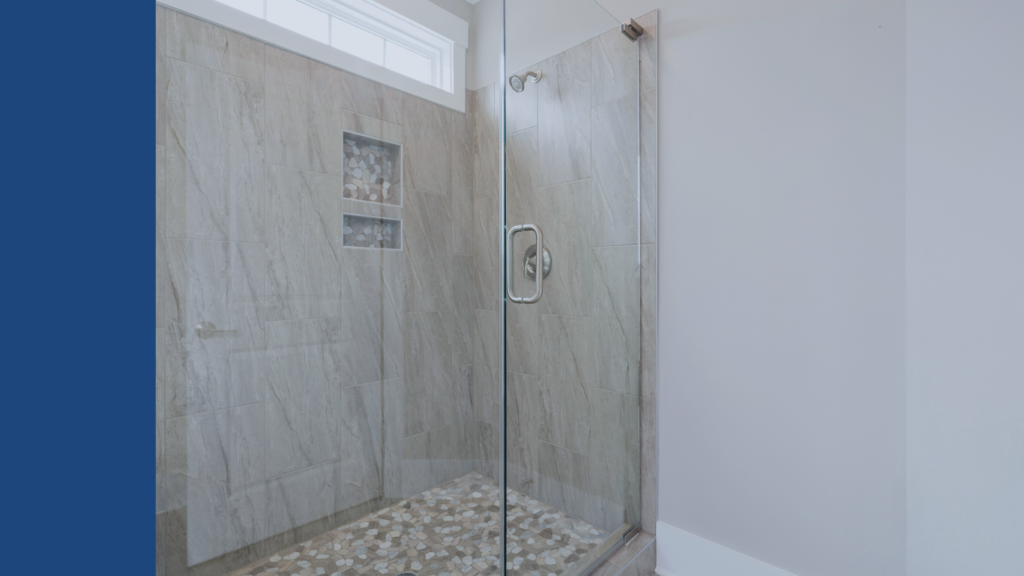
A walk-in shower simply means a shower you step into without climbing over a tub wall, sometimes with a low curb and sometimes with a curbless (barrier-free) entry that sits flush with the floor. Costs span a wide $3,000 to $12,000 because “walk-in” covers everything from a modest panel system to a designer enclosure. For a deeper look at this style on its own, our walk-in shower cost guide breaks down the variables in more detail.
Custom Tiled Shower
If you want a built-from-scratch look, a custom tiled shower delivers it, at a price. Tiled enclosures typically run $3,500 to $15,000 or more, driven mostly by the tile you pick and the labor to set it. Budget ceramic can cost under a dollar per square foot, while natural stone and large-format porcelain push the material bill far higher. Tiled showers also demand careful waterproofing behind the surface, which is exactly where an inexperienced installer gets a homeowner into trouble.
Tub-to-Shower Conversion Cost by Size
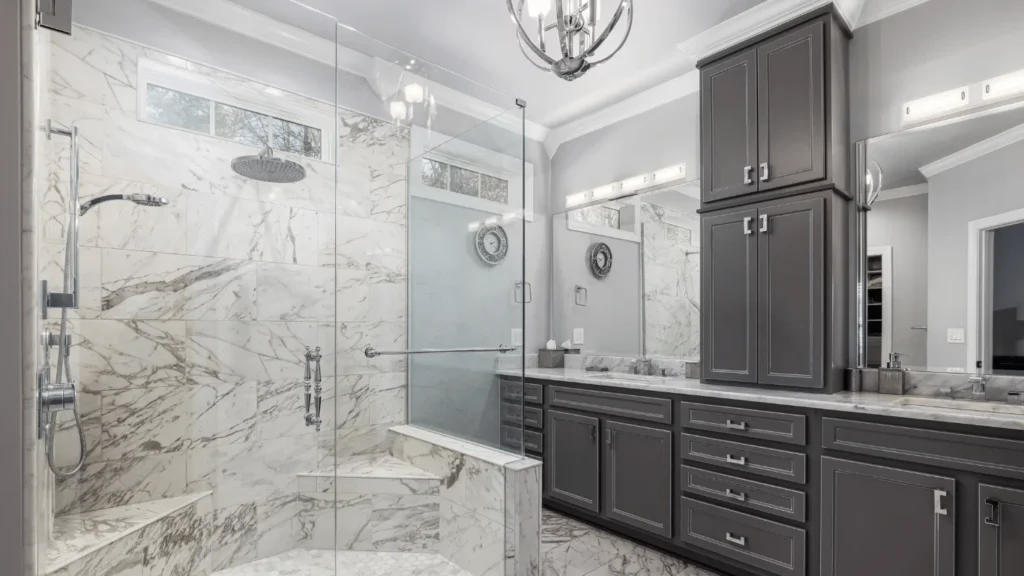
The bigger the shower, the more demolition, material, and labor your project needs, so square footage tracks closely with price. A compact stall in the old tub’s footprint is the cheapest path, while a roomy spa-style shower or an accessible roll-in design costs considerably more. Tiled versions of any size run higher than prefab because tile uses more material and far more labor hours.
|
Shower Size |
Approx. Dimensions |
Typical Cost |
|---|---|---|
|
Compact stall |
32″ x 32″ |
$1,200 – $3,000 |
|
Standard alcove |
60″ x 32″ |
$2,500 – $7,500 |
|
Large / spa |
36″ x 60″+ |
$5,000 – $15,000 |
|
Accessible / curbless |
30″ x 60″ or 36″ x 36″ |
$3,500 – $12,000+ |
Accessible sizes follow published ADA shower compartment specs: a transfer-style shower measures 36 by 36 inches inside, while a standard roll-in design runs at least 30 by 60 inches with a barrier-free threshold no taller than half an inch. Choosing a standard size rather than a custom footprint is one of the simplest ways to keep your bathroom remodel cost in check.
Labor and Contractor Costs
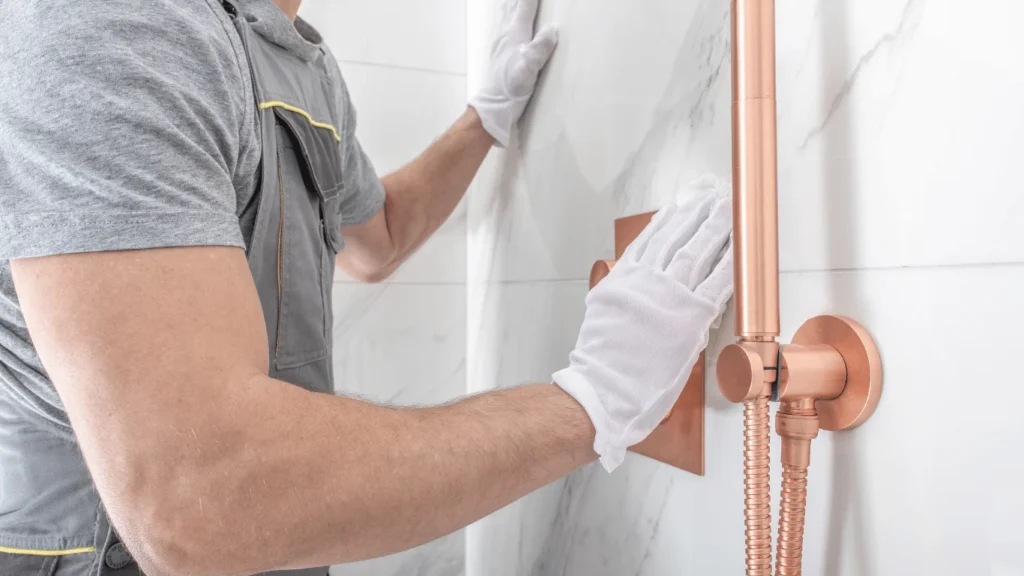
Labor is usually the largest line on the invoice, accounting for roughly 40% to 60% of the total. The exact share depends on the type of shower and how much hands-on work it requires.
Tiled showers carry the highest labor cost because setting and grouting tile is slow, skilled work. Prefab acrylic and fiberglass units are the cheapest to install. If your existing plumbing stays put, you’re mainly paying for the install itself. The moment a drain has to move or new supply lines are needed, a licensed plumber enters the picture. The U.S. Bureau of Labor Statistics reports a median wage near $63,000 a year for plumbers, but homeowners are billed at retail rates that commonly fall between $45 and $200 per hour depending on the market and the job.
The tasks that typically drive the shower conversion labor cost include:
- Demolition and haul-away of the old tub and surround
- Framing and any wall repairs once things are opened up
- Waterproofing the wet area before finishes go on
- Setting the base or pan and installing the shower
- Mounting and sealing the glass door
Additional Costs to Consider
Beyond the shower itself, a handful of extras shape your final number. Some are unavoidable; others are upgrades you can dial up or down to fit the budget.
Materials
Surface material is where budgets quietly balloon. Prefab acrylic and fiberglass sit at the low end; tile spans a huge range depending on what you choose; and stone or solid-surface slabs anchor the top. The table below shows typical installed material costs per square foot.
|
Material |
Cost per Square Foot |
|---|---|
|
Fiberglass or acrylic insert |
$0.75 – $12 |
|
Ceramic or porcelain tile |
$1 – $17 |
|
Cultured marble |
$10 – $35 |
|
Quartz / solid surface |
$50 – $100 |
|
Natural stone |
$15 – $100+ |
Permits
Any work that touches plumbing usually needs a permit. Depending on your municipality and the scope, a bathroom permit runs about $200 to $2,000. A straightforward swap that keeps plumbing in place sits at the low end; a project that reroutes lines or changes the layout costs more to permit.
Old Tub Removal and Disposal
Pulling out and hauling away the old tub generally adds $150 to $400, and many contractors fold it into the project price. A heavy cast-iron or claw-foot tub costs more to remove because it often has to be broken up or carried out by several people.
Plumbing and Layout Changes
This is the wild card. If the new shower uses the existing drain and water lines, you save a lot. If the drain has to move, expect $300 to $2,400 in added work, and relocating a drain set in a concrete slab sits at the high end because the slab must be cut and patched. A tub drain and a shower drain are different sizes and positions, so even a “simple” swap sometimes involves more pipe than expected. If you’re weighing a non-removal option entirely, bathtub refinishing is a far cheaper way to freshen a tub you plan to keep.
Shower Doors
Most prefab kits don’t include a door, so budget for one separately. Basic framed sliding and hinged doors are the most affordable; frameless glass is a premium upgrade that gives a clean, modern look. Expect to spend somewhere between $300 and $2,500 depending on style and glass.
|
Shower Door Type |
Typical Cost |
|---|---|
|
Framed (sliding or hinged) |
$200 – $1,500 |
|
Bypass / pivot |
$300 – $1,500 |
|
Neo-angle |
$400 – $2,000 |
|
Frameless |
$600 – $2,500 |
Showerhead and Fixtures
You may be able to reuse an existing showerhead, but most homeowners take the chance to upgrade. A new showerhead ranges from about $50 for a basic single-spray model to $900 for a luxury rainfall or multi-jet system. Looking for the EPA WaterSense label is a smart move: those showerheads use no more than 2.0 gallons per minute versus the 2.5-gallon standard, saving the average household around 2,700 gallons a year. If your home has hard water that chews through fixtures, pairing the new shower with a water softener installation can extend their life.
Accessibility and Safety Features
Adding accessibility features now is far cheaper than retrofitting later, and they’re increasingly popular with buyers of every age. Basic upgrades like a grab bar and a fold-down seat can be had for a few hundred dollars; a full curbless conversion costs more but pays off in safety and resale appeal.
|
Accessibility Feature |
Typical Cost |
|---|---|
|
Curbless / barrier-free entry |
$1,000 – $4,000 |
|
Grab bars |
$50 – $500 each |
|
Built-in or fold-down seat |
$100 – $600 |
|
Nonslip flooring |
$200 – $1,000 |
|
Anti-scald (mixing) valve |
$200 – $500 |
|
Handheld showerhead |
$50 – $250 |
A quick note on terms: an anti-scald valve automatically blends hot and cold water to a safe temperature so a sudden pressure change can’t deliver a burst of scalding water. It’s an inexpensive safeguard worth adding while the wall is open.
Mold or Mildew Remediation
Demolition often uncovers hidden mold, especially in the damp space beneath an old tub. A few small surface patches can be cleaned yourself with soap and water and protective gear. Larger infestations, a musty smell, or any sign of a long-term leak call for a remediation pro, which adds to the total but protects your health and your home. When in doubt, get it inspected before the new shower goes in.
Why Hire a Tub-to-Shower Conversion Pro
Doing the work yourself can shave $1,000 or more off the bill, but a botched conversion is expensive to fix. The riskiest part is the plumbing: a drain that’s installed or relocated incorrectly can let sewer gas back into the home or cause leaks that rot framing and subfloor. A licensed pro also makes sure the job clears local plumbing code and permit requirements, which matters at resale. If you’d rather skip the guesswork, you can compare local bathroom remodelers and get matched with vetted installers in your area.
That said, a confident DIYer can safely handle several sub-tasks to trim labor:
- Removing the old tub (only if you can do it without disturbing the plumbing)
- Painting the walls before or after the install
- Installing simple fixtures and accessories
- Basic demolition of the surround
How to Save on a Tub-to-Shower Conversion
Converting a tub to a shower doesn’t have to drain your savings. A few decisions make a real difference:
- Compare at least three quotes. Prices vary widely, and a quote far below the others is usually a red flag, not a deal.
- Go prefab when you can. A factory-made stall cuts both material and labor cost.
- Keep the plumbing where it is. Leaving the drain and supply lines in place avoids the costliest line item.
- Choose standard sizes and budget-friendly materials over custom tile or stone.
- Handle the DIY-able tasks yourself, like demo, paint, or hauling out the old tub.
Does a Tub-to-Shower Conversion Add Home Value?
Done well, a conversion can boost both daily livability and resale appeal. National cost-versus-value research consistently shows mid-range bathroom updates recovering somewhere around 60% to 70% of their cost at sale, and accessible, walk-in designs are in demand with buyers of all ages. The dollar return depends on your market, your home’s layout, and the quality of the work.
There’s one important caveat: don’t remove your home’s only tub. Families with young children often want at least one bathtub, and a tub-free house can be a harder sell. If you have a second bathroom with a tub, converting the other one is usually a smart call. To squeeze out the most value, consider refreshing the rest of the room at the same time, and keep your materials in line with what homes in your neighborhood support.
How Trusted Home Quotes Gets Its Cost Data
Our pricing is researched, not guessed. We pull from reputable cost databases, published government and industry data, and real-world contractor pricing, then present the ranges most homeowners actually see. Costs still vary by region, home, and project scope, so the surest way to know what your conversion will cost is to gather a few local quotes. Trusted Home Quotes makes that comparison free and pressure-free.
Frequently Asked Questions
How much does a tub-to-shower conversion cost in 2026?
Most tub-to-shower conversions cost between $3,000 and $9,000 in 2026, with an average near $6,000. A basic prefab stall can start around $1,200, while a custom tiled walk-in shower with premium glass can exceed $15,000. Shower type, size, materials, and plumbing changes drive the difference.
Is converting a tub to a shower cheaper than a full bathroom remodel?
Yes. A standalone conversion targets just the tub area, so it usually costs far less than gutting and rebuilding an entire bathroom. A full remodel can run $15,000 to $30,000 or more, while a conversion often lands in the low-to-mid four figures, especially when the plumbing stays put.
Do you need a permit to convert a tub to a shower?
In most areas, yes, particularly if the work involves plumbing changes. A bathroom permit typically costs $200 to $2,000 depending on local rules and project size. A licensed contractor will usually pull the permit for you and make sure the finished shower meets code.
How long does a tub-to-shower conversion take?
A straightforward prefab swap can be finished in one to three days. A custom tiled shower with plumbing changes can take one to two weeks once you factor in demolition, waterproofing, tile-setting, curing time, and the glass install. Permitting and material lead times can add to the schedule.
Should I remove my only bathtub?
Generally, no. Keeping at least one tub in the home protects resale value, since many buyers, especially families with young children, expect one. If your home has another bathroom with a tub, converting a second tub to a shower is usually a safe and appealing choice.
What’s the difference between a prefab and a custom tiled shower?
A prefab shower is a factory-made kit that installs quickly and costs less, but comes in limited styles and sizes. A custom tiled shower is built on-site, offering unlimited design options and strong durability, at a higher price and with greater reliance on the installer’s skill and waterproofing.
Ready to Get Started?
You don’t have to settle for a single estimate. Compare free quotes from trusted local bathroom remodelers and shower installers through Trusted Home Quotes, with no obligation and no pressure. While you plan, explore more home project cost guides to budget your next upgrade with confidence.
You Might Also Like