How Much Does Gutter Replacement Cost In 2026
Cost Snapshot
United states average: $1,180
General range: $628 to $1,733
Low end: $200 | High end: $8,000
Per foot: $4 to $40, depending on material and type
Key Takeaways
- Most homeowners pay somewhere between $628 and $1,733, with material and style driving the difference.
- square footage and roof shape both move the number; a roofline with lots of angles means extra labor and made-to-fit gutters.
- Don’t forget the supporting pieces: downspouts, guards, splash blocks, and flashing all belong in your budget.
- A qualified installer protects your roof and foundation from water damage and gets the pitch right the first time.
What You’ll Pay to Install Gutters
Expect to spend around $1,180 on average, with the realistic range landing between $628 and $1,733 once home size and a handful of other variables are factored in. It’s easy to overlook gutters, but they quietly do a lot of work, channeling water off the roof and away from the foundation before it can cause trouble. Keeping them clear and swapping them out once they’re worn or damaged is what keeps that protection intact.
Cost to Install Gutters per Linear Foot
On a per-foot basis, installation typically falls between $4 and $40, with material and gutter type accounting for most of the spread. To ballpark your own project, measure each run of roofline in linear feet and add the drop from roof to ground at every spot where a downspout will sit. The combined total is roughly how many linear feet you’re working with.
|
Gutter Length (Linear Feet) |
Cost Range |
|
40 |
$160 to $1,600 |
|
100 |
$400 to $4,000 |
|
150 |
$600 to $6,000 |
|
200 |
$800 to $8,000 |
|
250 |
$1,000 to $10,000 |
Gutter Pro Costs
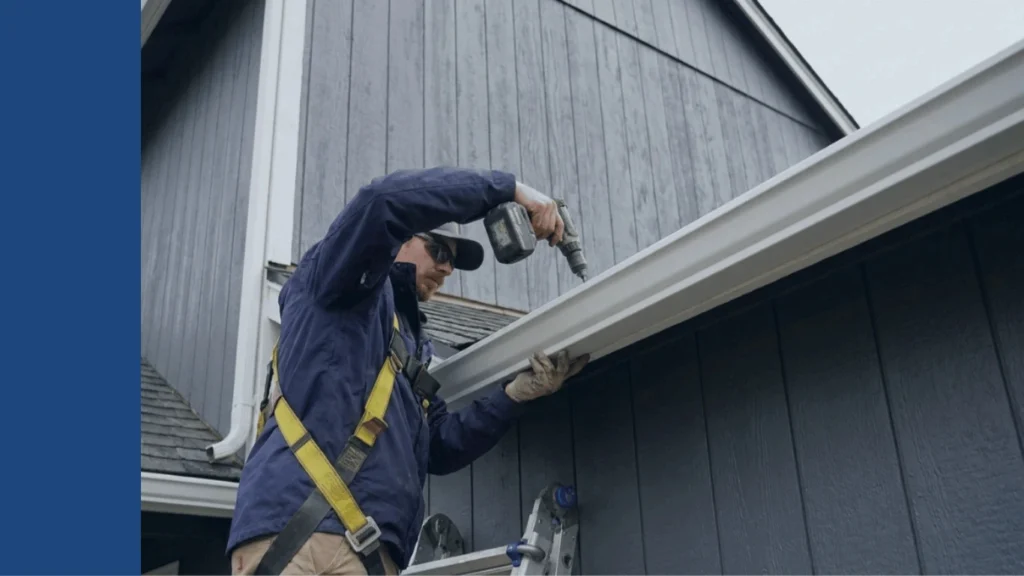
A gutter crew does more than bolt up new channels. They plan the layout, tear out the old system, hang the replacement, and often stick around for maintenance later. Your quote will fold in design, prep, and the install itself, and hauling away the old gutters is usually part of the deal. As a rule of thumb, labor accounts for anywhere from 10% to 50% of what you spend overall.
How quickly you need the work done also plays a role. Most homeowners can be flexible on timing, and that flexibility tends to pay off, since it lets crews slot the job in efficiently and sidesteps the premium that comes with rush work. Truly urgent installs, the kind prompted by an active leak, storm damage, or water spilling over toward the foundation, often cost more simply because the work can’t wait.
Gutter Replacement Cost by Location
Climate has a real effect on price. In regions that see steady rain or sudden heavy downpours, gutters have to handle far more water, which usually means wider channels and additional downspouts, and that pushes the cost up. Homeowners in consistently wet areas can pay as much as 50% more than those in drier parts of the country.
|
Location |
Average Cost Range (per Linear Foot) |
|
Arizona |
$4 to $20 |
|
Minnesota |
$6 to $30 |
|
North Carolina |
$4 to $32 |
|
Oregon |
$5 to $40 |
|
New York |
$6 to $40 |
Additional Cost Factors
Four things tend to shape the final bill more than anything else: how big your home is, how your roof is built, the style of gutter you pick, and the material it’s made from.
Home Size
Because pricing is usually quoted by the linear foot, a larger home naturally means more material and more labor. Height adds to it as well; reaching the gutters on a tall house can call for extended ladders or specialized gear, which nudges the cost higher.
Roof Design
Roofs with character, the ones with several pitches, dormers, or other architectural touches, often need a gutter system built to fit. Fabricating those custom pieces takes time, and the install itself gets more involved, so labor hours climb. Plan on roughly $6 to $40 per linear foot for custom work, depending on the material you choose.
Gutter Material
Material is one of the biggest levers on price, swinging from about $3 to $40 per linear foot. Aluminum and vinyl keep things budget-friendly, while copper and stainless steel land at the top of the range.
|
Material |
Average Cost Range (per Linear Foot) |
|
Aluminum |
$3 to $15 |
|
Vinyl |
$3 to $7 |
|
Galvanized |
$5 to $20 |
|
Copper |
$15 to $40 |
|
Faux copper |
$5 to $10 |
|
Zinc |
$15 to $30 |
|
Wood |
$20 to $32 |
Type of Gutter
You’ll find a few styles on the market, but three come up most often: half-round, K-style, and custom fascia.
Half-round (U-style):
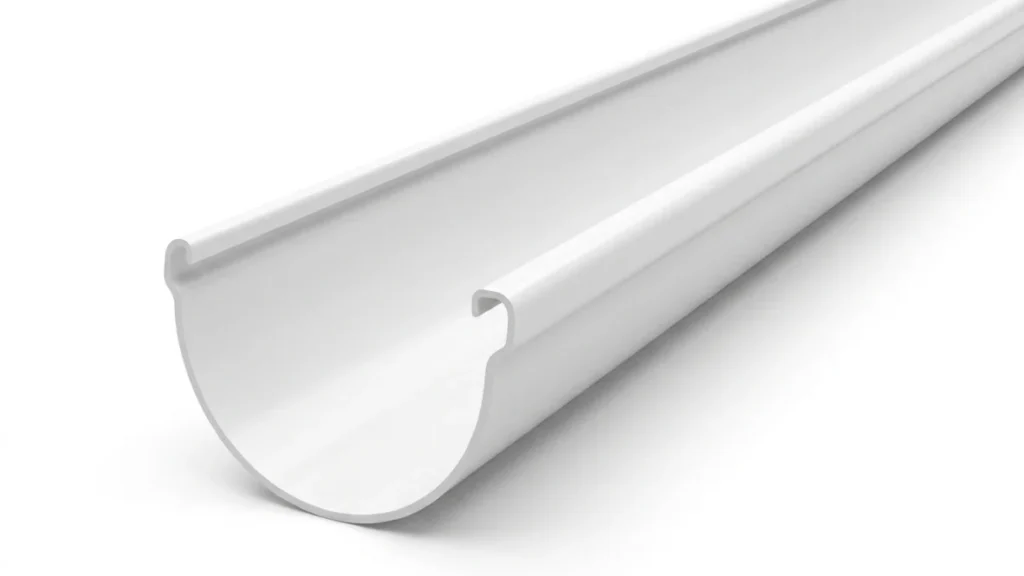 $3 to $34 per linear foot. These move water beautifully but tend to trap debris, which is why many owners pair them with leaf guards. A heads-up for older neighborhoods: some have ordinances that require this style, so confirm the local rules first.
K-style:
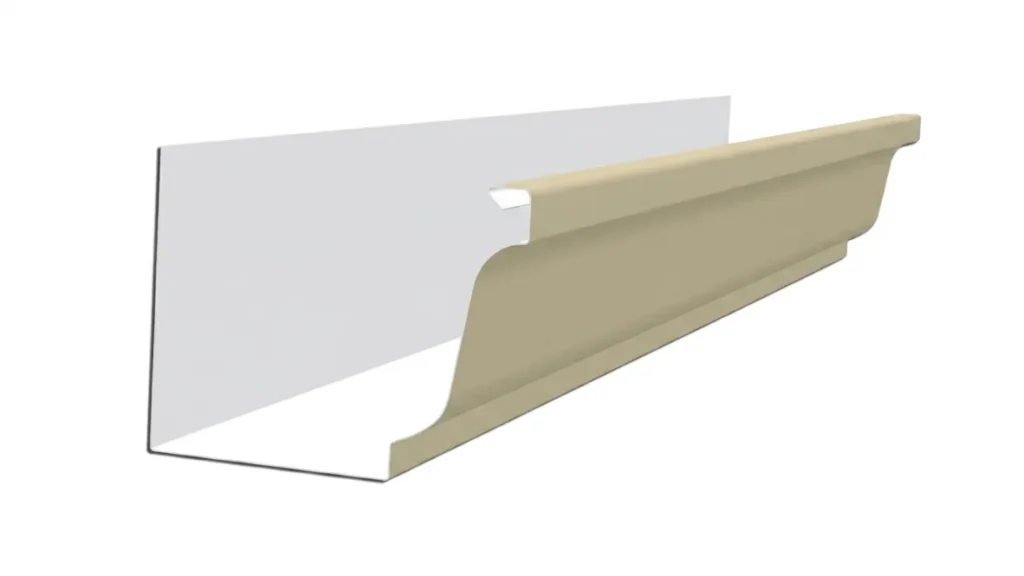
$3 to $37 per linear foot. The cross-section looks a bit like the letter K, hence the name. They’ve dominated new construction for the past half-century, partly because the flat back makes hanging them straightforward.
Custom fascia:
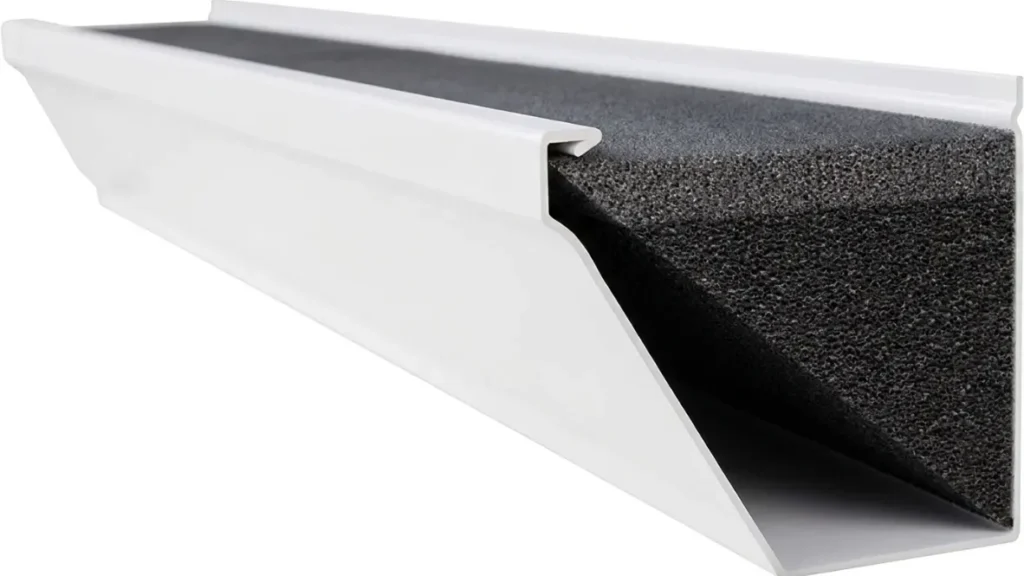 $6 to $40 per linear foot. Rather than snapping together from pre-cut lengths, these are formed on-site from a single run of aluminum, which leaves fewer seams to leak or rust. The trade-off is a higher price.
Downspouts and Add Ons
Gutters only do half the job; the water still needs a path down and away from the house, which is where downspouts come in.
|
Downspout Material |
Cost (per Linear Foot) |
|
Vinyl & aluminum |
$5 to $8 |
|
Steel |
$9 to $12 |
|
Copper |
$17 to $20 |
Customizations
Since the crew is already on-site, it’s worth knocking out a few related extras now instead of revisiting them later:
Debris control: downspout screens run about $8 apiece and gutter foam runs $1.50 per linear foot, both of which cut down on clogs. Rodent guards, around $5 each, keep animals from climbing the downspouts.
Water barriers: flashing, at roughly $20 per foot, seals the gap behind the gutter so moisture stays off the roof, while splash blocks (about $10 each) push runoff away from the base of the house.
Gutter guards: budget around $1,500 here. By keeping leaves and grit out of the channels, they reduce backups and the leaks and water damage that follow.
Why You Should Hire a Gutter Installation Pro
Labor for a gutter installer tends to run about $75 an hour. Tackling it yourself can shave money off the total, but working at that height carries real risk, so this is a job most people are better off handing to a professional. A few reasons it’s worth it:
- The right tools, technique, and hands-on experience mean the job gets done correctly and quickly.
- Doing it properly heads off expensive problems later, from rotted roofing and damaged siding to foundation trouble.
- Getting the pitch exactly right is what keeps water flowing and clogs from forming, and that’s something pros nail consistently.
- Reputable installers are insured and back their materials and workmanship with a warranty.
- An experienced eye often catches smaller issues before they grow into costly ones.
- Tear-out and disposal of the old gutters are handled for you.
If You Want to Help Your Pro
Going fully DIY isn’t the move, but you can lend a hand and make the job smoother:
- Take your own measurements ahead of time so planning goes faster.
- Clear the area below the work zone, moving patio furniture, grills, and trimming back any branches in the way.
- If you’ve got a truck or trailer, offer to haul the old gutters off yourself.
Ready to stop guessing at the number? Trusted Home Quotes connects you with vetted, licensed gutter installers in your area so you can compare real estimates side by side. Enter your ZIP and get matched with local pros in minutes. It’s free, with no obligation.
Replacing vs. Repairing Gutters
Per foot, fixing gutters costs about the same as installing new ones. So when only a stretch of gutter has gone bad, patching that section is far cheaper than tearing out the whole run, depending on how much length is affected.
That said, repair isn’t always the right call. Once the fascia behind the gutters has soaked up water and the system starts to sag, or once damage has spread across most of the run, replacement usually makes more sense. Gutters generally hold up for 20 to 50 years, but where yours land depends heavily on material. If yours have passed the 20-year mark, springing for a full replacement often beats chasing one repair after another.
Ways to Save Money
A lot of what drives the price, like the length and size you actually need, isn’t really negotiable. Even so, there’s room to trim the total in a few sensible ways:
- Step down to a more affordable material than what’s currently up there. The shorter lifespan may not matter much if you won’t be in the house for the long haul.
- Stay on top of cleaning and clearing once the new system is in. It won’t lower the upfront cost, but it keeps repair bills and water damage at bay over time.
- Watch for promotions. Installers frequently run seasonal or regional deals.
- Book the work in the slower months, like late fall or early spring, when both demand and pricing tend to ease off.
Do New Gutters Increase Home Value?
Gutters won’t deliver the kind of clear-cut payback you’d get from, say, a kitchen remodel. What they do offer is protection: less water damage, a healthier landscape, and a tidier look from the curb. And the flip side matters too. A house that needs gutters but has none can spook buyers, who may start wondering about the foundation and factoring in the cost of adding a system themselves before they walk away.
Next Steps: Finalize Your Project With a Pro
- Get familiar with the available styles and materials so the conversation with your installer is productive.
- Make sure the estimate spells out whether removal and disposal of the old gutters are covered.
- Ask which upgrades are worth adding now, such as guards or downspout extensions, to ease maintenance down the road.
- Verify the contractor’s license, insurance, and warranty before you sign anything.
Once you’ve worked through these steps, the last piece is finding the right person for the job.Trusted Home Quotes takes the guesswork out of it by matching you with licensed, well-reviewed gutter installers in your area. Share a few details about your project and you’ll get free, no obligation estimates to compare, so you can move forward knowing you’ve got a fair price and a pro you can trust.
You Might Also Like
- Gutter Cleaning Costs in 2026: A Homeowner’s Guide to Staying Dry
- How Much Does a Roof Inspection Cost in 2026
- How Much Does a Metal Roof Cost in 2026
- How Much Does Window Repair Cost in 2026: A Complete Homeowner’s Guide
Frequently Asked Questions
How long does it take to replace gutters?
For a typical home, a pro can usually wrap up the job in one to two days. Most of that time goes to pulling down the old gutters and hanging the new ones. If the fascia board underneath needs significant repair first, the schedule stretches out. Doing it yourself? Set aside a couple of days at minimum to cover removal, prep, and installation.
When is the best time to replace gutters?
The quieter stretches of the year, late fall and early spring, usually come with softer demand and friendlier prices. The exception is anything urgent: if you’re dealing with active leaks or storm damage, replace them right away before your roof or foundation takes the hit.
How do I maintain my gutters?
Clear out debris regularly, make sure water is actually draining the way it should, and look for sagging or leaks, especially in the wake of a big storm. Adding guards means you’ll have to clean them out far less often.
What is the typical lifespan of gutters?
Plan on 20 to 50 years, though in practice most gutters land toward the shorter end. What they’re made of and how well they’re maintained will largely decide where yours fall in that range.