14 Plumbing Maintenance Tips Every Homeowner Should Know
By the Trusted Home Quotes Editorial Team | Updated July 14, 2026
A simple, seasonal checklist that catches small leaks and clogs before they turn into big repair bills.
Key Takeaways
- Routine upkeep is the cheapest form of plumbing insurance: catching a slow leak or minor clog early usually costs a fraction of what a burst pipe or water-damaged floor will.
- These plumbing maintenance tips lean on three high-value habits: flush your water heater once a year, test for silent toilet and faucet leaks, and keep drains clear without harsh chemicals.
- A routine repair often runs a few hundred dollars, while a neglected problem that floods a room can climb into four figures once water damage is added in.
- Seasonal tasks matter too: shutting off outdoor fixtures and dripping faucets in a hard freeze can prevent a cracked pipe.
- Some jobs are DIY-friendly, but sewer inspections, repeat clogs, and anything involving your main line are worth handing to a licensed pro.
Introduction
Every homeowner eventually meets that mystery sound: a faint drip behind a wall, a drain that empties a little slower each week, a toilet that refills on its own at 2 a.m. Left alone, small signals like these tend to grow into expensive ones. The good news is that most of them are preventable, and you don’t need to be a tradesperson to stay ahead of them. A handful of simple plumbing maintenance tips, done on a predictable schedule, will protect your pipes, fixtures, and appliances for years.
Think of this as your preventive plumbing maintenance checklist. Below are 14 practical habits and seasonal tasks starting with everyday do’s and don’ts, moving through leak checks and system tune-ups, and finishing with cold-weather prep and knowing when to pick up the phone. A five-minute check now really does beat a weekend flood later.
1. Be Careful What You Flush
Your toilet handles exactly two things well: human waste and toilet paper. Almost everything else is a future clog. Cotton swabs, dental floss, paper towels, “flushable” wipes, and hair all resist breaking down, and they knit together inside your pipes into stubborn masses that eventually need a snake or a plumber.
Keep a small lined bin next to the toilet so guests aren’t tempted to flush the wrong things. This one habit quietly prevents some of the most common and avoidable drain backups a household ever deals with.
2. Be Choosy About the Garbage Disposal
A disposal is convenient, but it isn’t a trash can. Grease and cooking oil are the worst offenders: they pour in as a liquid, then cool and harden deep in the line where you can’t reach them. Pour used grease into a sealable container and toss it in the trash instead.
Also keep out fibrous or starchy foods celery, onion skins, potato peels, rice, and pasta plus coffee grounds, eggshells, bones, and fruit pits, which can dull the blades or pack the drain. When in doubt, compost or trash it.
3. Skip the Chemical Drain Cleaners
When a sink starts draining slowly, it’s tempting to reach for a bottle of chemical cleaner. Try not to. Those harsh formulas can corrode older pipes and damage fixtures over time, and they often only punch a hole through the clog rather than clearing it.
A gentler first move is a pot of hot water followed by baking soda and vinegar, or an enzyme-based cleaner that digests organic buildup naturally. Do this monthly, or whenever water starts to pool. If a clog keeps coming back, that’s a sign of something deeper professional hydro jetting or a camera inspection can find the real cause. For a one-off blockage, drain cleaning typically runs about $150 to $400.
4. Run the Food-Coloring Test for Silent Toilet Leaks
Not every toilet leak announces itself. A worn flapper, the rubber seal that releases tank water into the bowl can let water seep through silently, wasting gallons and nudging up your bill. To check, add a few drops of food coloring to the tank and wait about 20 minutes without flushing. If color creeps into the bowl, the flapper or another part is failing.
Also glance around the base now and then for pooling water, which can point to loose bolts or a worn wax ring. The EPA suggests replacing flappers roughly every five years as normal upkeep.
5. Chase Down Dripping Faucets and Showerheads
That steady drip is more than annoying; it’s money down the drain. Household leaks waste thousands of gallons a year, and nationwide they add up to nearly a trillion gallons annually. The usual culprits are a worn washer, a bad O-ring, or a corroded valve seat, all inexpensive parts.
Inspect faucets and showerheads regularly, and pay attention to handles that keep weeping after you’ve shut the water off. While you’re at it, look under the sink with the water running: stains or damp spots on the cabinet floor often mean a supply line or trap is leaking and needs attention.
6. Check Appliances for Hidden Water Leaks
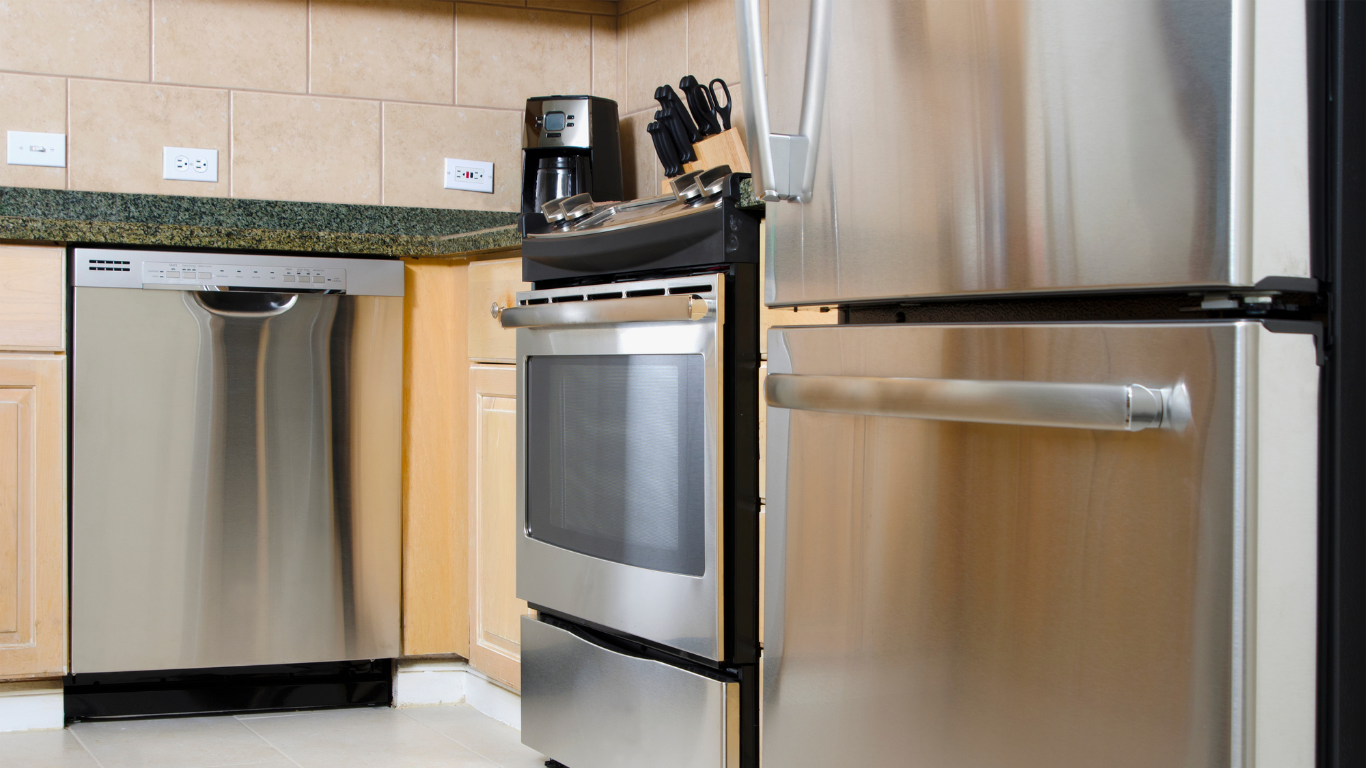
Your washing machine, refrigerator ice maker, dishwasher, and water heater all tie into your water supply, and any of their hoses and connections can fail. Because these spots sit out of sight, a slow leak can run for weeks before you notice warped flooring or a musty smell.
Once a season, pull appliances out a few inches and look for stains, corrosion, or standing water at the connections. Replace brittle rubber supply hoses with braided stainless steel ones, which are far more durable. A minor water-line or valve repair caught early usually lands in the $150 to $350 range far cheaper than repairing the floor beneath it.
7. Test Your Water Pressure
Water pressure that’s too low is a nuisance; pressure that’s too high is a hazard that stresses joints, wears out fixtures, and can eventually cause a leak or burst. Most homes run comfortably between 40 and 60 psi, and plumbing codes cap it at 80 psi.
You can check it in five minutes with an inexpensive gauge screwed onto an outdoor hose bib (the outdoor faucet you attach a garden hose to). If the reading sits above 80, install a pressure regulator a valve on your main line that holds pressure at a safe, steady level and protects everything downstream.
8. Flush Your Water Heater Once a Year
Minerals in your water settle to the bottom of the tank as sediment, especially if you have hard water. That layer makes the unit work harder, wastes energy, and shortens its life. The Department of Energy recommends routine tank maintenance, including periodic flushing and checking the sacrificial anode rod, the metal rod that corrodes on purpose so the tank doesn’t run every few years.
Draining and flushing the tank once a year (twice if your water is very hard) keeps it efficient. Setting the thermostat to 120°F also slows scale buildup and can save $36 to $61 a year. If hard water is your ongoing enemy, a water softener reduces the buildup at its source.
9. Schedule a Sewer or Septic Inspection
Whether your wastewater flows to a municipal sewer main or an on-site septic system, the line doing the work deserves a look at least once a year. Debris, grease, and tree roots build up gradually, and the earlier a blockage is found, the cheaper and less messy it is to clear.
For sewer homes, a plumber can run a camera through the cleanout (the capped access point that opens into your main line) and recommend a fix sometimes as simple as a clearing, sometimes something like trenchless sewer repair. On septic properties, regular septic tank pumping keeps solids from overflowing into the drain field.
10. Winterize Outdoor Faucets and Fixtures
Before the first hard freeze, give your outdoor plumbing some attention. Disconnect and drain garden hoses, shut off the water supply to exterior faucets where you can, and drain any water sitting in the lines. Water expands as it freezes, and a trapped pocket is all it takes to split a pipe.
Don’t forget sprinkler systems and the backflow preventer (the device that stops dirty water from being siphoned back into your clean supply). Depending on your climate, you may need to blow out irrigation lines as part of a full winterization routine.
11. Let Faucets Drip in a Hard Freeze
When temperatures dive, a slow trickle from the right faucets can keep a pipe from freezing solid. Moving water is much harder to freeze than still water, and the open faucet also relieves the pressure that actually bursts pipes. The American Red Cross advises dripping faucets fed by exposed pipes during very cold weather.
Focus on faucets along exterior walls, in unheated spaces, or served by poorly insulated pipes, and open the cabinet doors under those sinks so warm air can reach the plumbing. In milder climates, you can usually skip this step.
12. Keep the Heat On When You Travel in Winter
Coming home from a winter trip to a burst pipe is a miserable surprise, and an avoidable one. If freezing temperatures are possible while you’re away, leave the heat set to no lower than 55°F rather than shutting it off to save a few dollars.
That baseline keeps pipes in vulnerable spots, basements, crawlspaces, garages above the danger zone. If a detached garage or outbuilding has water running to it, a small space heater or draining those lines beforehand adds cheap insurance against a costly thaw-out.
13. Build a Simple Maintenance Schedule
None of these tasks are hard, but they’re easy to forget until something breaks. A short calendar fixes that. Put the annual water heater flush, the twice-yearly toilet-leak test, and the seasonal outdoor shut-off into whatever app or paper planner you already use, with reminders.
Once a season, walk the house and jot down anything that looks off a slow drain, a damp cabinet, a weeping valve and knock the small stuff out before it grows. A little structure turns “I’ll get to it” into a system that quietly protects your home and your budget.
14. Know When to Call a Pro
Plenty of upkeep is DIY-friendly, but some jobs call for a licensed plumber recurring clogs, a main-line issue, anything involving your sewer or gas, or a problem you simply can’t pin down. Bringing in an expert early usually costs less than living with a worsening leak.
For non-emergencies, average plumber rates run roughly $45 to $200 an hour, with most homeowners around $90 to $125; after-hours and weekend emergency visits climb to about $150 to $300 an hour. When you need help, it’s easy to match with a local plumber and compare a few quotes before you commit.
Typical Costs If a Problem Slips Through
This is a tips guide, not a cost guide but a quick sense of what neglected issues cost can be motivating. These are 2026 national ranges; your local pricing will vary.
|
Job |
Typical 2026 range |
|
Routine drain cleaning |
$150 – $400 |
|
Sewer camera inspection |
$100 – $300 |
|
Water heater repair |
$200 – $700 |
|
Minor appliance / water-line repair |
$150 – $350 |
|
Emergency after-hours call |
$150 – $300 / hour |
Questions to Ask a Plumber
Choosing the right plumber makes any maintenance, inspection, or repair go more smoothly. It’s worth getting quotes from a few local pros and asking each the same questions so you can compare fairly. Use this as your vetting checklist:
- Are you licensed and insured? Ask for proof, and request references from similar recent jobs.
- Do you charge a flat rate or by the hour? And is there a free inspection or a trip/service-call fee?
- What’s the written estimate, and how long will the work take?
- How much do you require upfront? Be cautious with anyone asking for a large deposit — many states cap advance payments (often around 10% or a set dollar amount), so know your local rule.
- Do you offer a workmanship warranty or satisfaction guarantee?
- Is there a service-contract discount for scheduling routine inspections?
- Anything I should do before you arrive clear access, shut off a valve, move items out of the way?
Remember that an inspection and a repair are different visits: the inspection comes first to identify the problem, and its cost depends on your home’s size and the type of inspection.
How Trusted Home Quotes Researches This Guide
Our guidance and figures are drawn from reputable, independent sources federal agencies like the U.S. EPA and Department of Energy, recognized safety and trade authorities, and current contractor-pricing data not guesswork. We update cost ranges to reflect 2026 conditions and aim to explain the why behind each recommendation, not just the what.
Prices still vary widely by region, home age, and job complexity, so treat every range here as a starting point. For accurate, area-specific numbers, the best step is always to compare a few local quotes.
Frequently Asked Questions
How often should you do plumbing maintenance?
Do quick checks seasonally, look for leaks, test drains, and inspect exposed pipes. Reserve bigger tasks for once a year, such as flushing the water heater and scheduling a professional sewer or septic inspection. Cold-weather prep should happen before your first hard freeze.
What plumbing maintenance can I do myself?
Plenty. Testing for toilet leaks with food coloring, swapping a worn faucet washer, clearing drains with enzyme cleaner, checking water pressure with a gauge, and winterizing outdoor faucets are all beginner-friendly. Leave sewer lines, main-line issues, and gas connections to a licensed plumber.
How often should you flush a water heater?
Once a year is the standard for most tank water heaters. If you have hard water, flushing twice a year helps control the mineral sediment that drags down efficiency and shortens the tank’s life. Always follow your unit’s manual before draining.
Should you use a chemical drain cleaner?
It’s best avoided. The harsh chemicals can corrode pipes and damage fixtures over time, and they often don’t fully clear the clog. Hot water with baking soda and vinegar, or an enzyme cleaner, is safer for routine care. Persistent clogs need a professional.
What are the warning signs of a plumbing problem?
Watch for slow or gurgling drains, low or fluctuating water pressure, water stains on walls or ceilings, a spike in your water bill, damp spots under sinks, and unusual smells. Catching any of these early keeps a small fix from becoming a big one.
How much does annual plumbing maintenance cost?
A basic maintenance visit or plumbing inspection typically runs about $100 to $500, depending on your home’s size and what’s included. Many plumbers offer service plans that bundle inspections at a lower rate, often cheaper than a single emergency call later.
Ready to Get It Handled?
Preventive care keeps most plumbing problems small, but when you’d rather hand a job to a professional, you shouldn’t have to guess who to trust. Trusted Home Quotes lets you compare free quotes from vetted local plumbers with no pressure, no obligation so you can weigh your options and pick the right pro with confidence. Explore our other home project guides while you’re here, and tackle your next repair the informed way.
You Might Also Like