How to Find and Hire an Emergency Plumber
LAST UPDATED JUNE 2026 · 13 MIN READ
When a pipe lets go at 2 a.m., the first thing to do is shut off your home’s water at the main valve then call an emergency plumber. In 2026, expect an after-hours emergency plumber to charge roughly $150 to $300 per hour, plus a service-call fee, before any parts or repairs are added on.
Key Takeaways
- A true plumbing emergency is water you can’t stop or can’t safely use burst pipes, active flooding, a sewer backup, the smell of gas or sewage, or a complete loss of running or hot water.
- Your very first move is to cut the water at the main shut-off valve (the central valve that stops water entering the whole house). Knowing where it is can save your floors before the plumber even arrives.
- Emergency work costs more because nights, weekends, and holidays carry overtime premiums commonly 1.5 to 3 times a plumber’s standard hourly rate.
- Before anyone touches your pipes, confirm the plumber is licensed and carries both workers’ compensation and liability insurance.
- Even when the clock is ticking, getting a second opinion or a written estimate is worth the few extra minutes it’s your best guard against inflated emergency pricing.
There’s a particular kind of dread that comes with the sound of running water you didn’t turn on. Maybe a supply line under the sink finally gave out and the kitchen floor is going dark with water. Maybe a drain is gurgling back up with something that smells like the sewer. In moments like these, you don’t need a lecture, you need an emergency plumber and a clear head. The good news is that hiring the right pro under pressure is mostly about doing a few small things in the right order.
This guide walks you through exactly that: how to stop the immediate damage, how to tell a genuine crisis from a problem that can wait until morning, what emergency help tends to cost in 2026, and how to vet and hire a trustworthy plumber fast. Take a breath. You’ve got this.
What Counts as a Plumbing Emergency?
Not every leak is a 911 call. A dripping faucet or a slow bathroom drain is annoying, but it can almost always wait for normal business hours and waiting will save you the after-hours surcharge. A real emergency is different: it’s water that’s actively damaging your home, or water you can no longer get or safely use. If you’re seeing any of the following, it’s worth calling now.
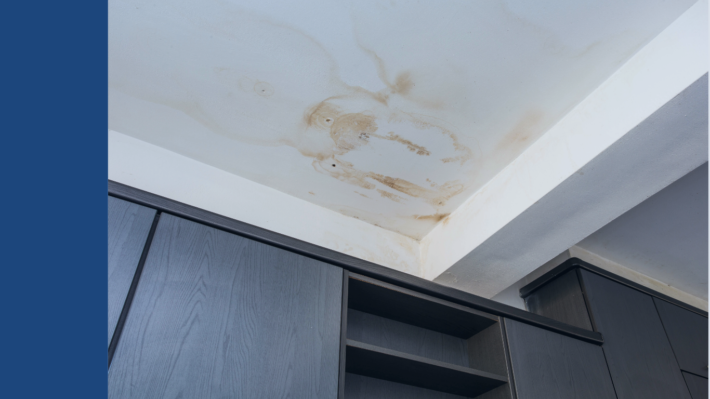
- Burst or badly leaking pipes. A failed pipe can release a startling volume of water in minutes and soak framing, insulation, and ceilings. Shut the water off and call right away.
- Active flooding. Standing water spreads fast and ruins flooring and drywall, so the source needs to be found and stopped quickly.
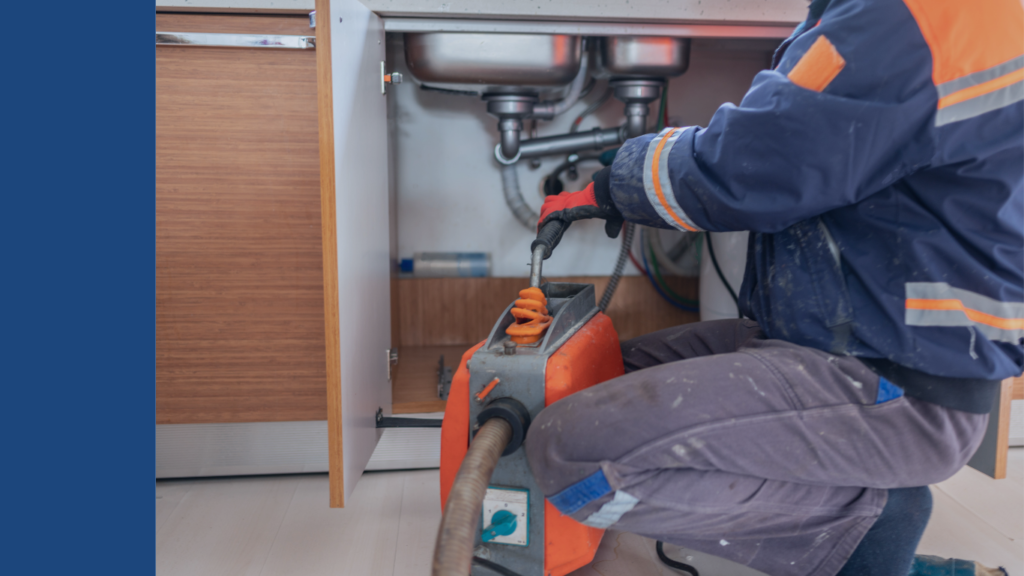
- Sewer backup. A sewer backup wastewater pushing back up through drains or toilets is both a damage problem and a health hazard, since raw sewage carries bacteria. Don’t wait on this one.
- Gas or sewage odor. A rotten-egg or sewer-gas smell can signal a dangerous leak. Leave the area, avoid open flames and switches, and call your gas utility first if you suspect natural gas.
- No usable water at all. If nothing comes out of any tap, or the water runs an odd color, you’ve effectively lost access to safe water that qualifies.
- Total loss of hot water. A cold shower is one thing; no hot water at all can be urgent in winter or for anyone who needs it for health reasons.
- A severe clog in your only bathroom. If the single toilet or shower in the house is unusable and DIY methods haven’t worked, that’s a same-day problem.
When in doubt, the simplest test is this: can you stop the water and live normally until morning? If yes, schedule a standard visit. If not, treat it as an emergency.
How Much Does an Emergency Plumber Cost?
Emergency pricing is mostly about timing and severity. The hourly rate climbs after hours, and the repair itself adds parts and labor on top. The table below gives realistic 2026 ranges to set expectations. Your actual number depends on where you live, the time of the call, and how bad the damage is.
Cost factor | Typical 2026 range |
Emergency / after-hours hourly rate | |
Night / weekend / holiday premium | Weeknights ~1.5x; weekends and holidays 2x–3x the standard rate |
Trip / service-call fee (dispatch) | $50–$300, often higher for off-hours calls |
Burst or leaking pipe repair | $400–$1,500, depending on access and damage |
Sewer backup – cleanup & clearing | $500–$2,000 for minor jobs; major restoration runs far higher |
Water heater repair | Commonly $200–$700; full replacement costs more |
A trip fee (also called a service-call or dispatch fee) covers the plumber’s travel and the initial assessment, and it’s usually separate from labor. Many plumbers can’t quote a firm repair price over the phone so a reasonable approach is to ask what the trip fee is, then get the full estimate in writing once they’ve seen the problem. It also helps to read up on bigger-ticket plumbing fixes ahead of time, like sewer line repair and clearing stubborn drains.
How to Find and Hire an Emergency Plumber
Speed matters, but a few minutes of structure will get you a better pro and a fairer price. Here’s the order that works.
1. Stop the damage before you do anything else
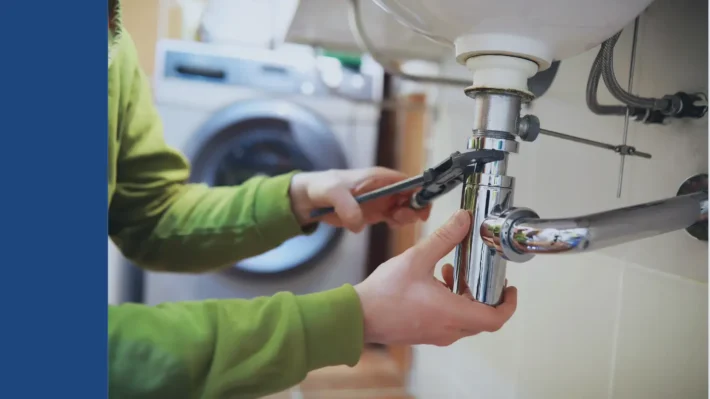
Find your main water shut-off valve usually where the supply line enters the house, near the meter, or in a basement or utility area and turn it off. For a single fixture, the local stop valve under the sink or behind the toilet may be enough. Then snap a few photos of the damage; you’ll want them for any insurance claim later.
2. Pin down the details before you call
A plumber can help you faster if you can describe the problem clearly. Note where the water is coming from, when it started, whether it’s clean or dirty water, and anything you’ve already tried. Having that ready also helps you compare answers from more than one pro.
3. Verify licensing and insurance
Licensing requirements vary by state and city, so check what your area requires and ask to see proof a plumbing license, not just a business registration. Then confirm two insurance policies: workers’ compensation, which covers the crew if someone is hurt on your property, and liability insurance, which covers damage to your home during the repair. A pro who carries both is protecting you as much as themselves.
4. Get more than one estimate when time allows
If the situation is contained, call two or three plumbers and compare not just price but availability and how they describe the fix. If you’re truly mid-crisis, lean on recent reviews and ask sharp questions instead. You can compare quotes from local pros through Trusted Home Quotes to line up vetted options quickly.
5. Confirm availability, response time, and service area
A 24/7 emergency plumber only helps if they can actually reach you soon. Ask for an honest arrival window, confirm you’re inside their service area, and find out whether they’re juggling a backlog of other emergency calls that night.
6. Get the scope and price in writing first
Once the plumber has assessed the problem in person, ask for a written breakdown that separates parts from labor before work begins. A clear, itemized estimate is the single best protection against surprise charges.
Questions to Ask Before You Hire
Even in a hurry, a short phone screen tells you a lot. Run through these before you commit.
Are you available right now, and how soon can you arrive?
Plenty of companies advertise round-the-clock service, but distance and current workload decide how fast someone actually shows up. Ask for a realistic time, not just “we’re open 24/7.”
Will you provide a written estimate after assessing it in person?
A reliable pro gives you an itemized estimate of parts and labor once they’ve seen the problem, not a vague number over the phone. Keep in mind many plumbers charge for the visit, so ask about that fee up front.
Do you warranty your labor and the parts you install?
Good plumbers stand behind their work, and most parts carry a manufacturer warranty. Confirm what’s covered and for how long, so you’re not paying twice if the repair doesn’t hold.
If you have to leave for a part, how is that time billed?
If you’re paying by the hour and the plumber has to run for a part, ask whether that travel is on the clock. It matters far less with flat, per-job pricing so this is also a good moment to clarify how they bill.
Do you pull any permits the job requires?
Some repairs need a permit. Most plumbers will handle that for you, but it’s not guaranteed ask so there are no surprises with inspections later.
Red Flags to Watch For
Pressure and urgency are exactly when bad actors thrive. Walk away if you see:
- No proof of a license or insurance or a dodge when you ask for it.
- Refusal to put the scope or price in writing.
- Vague or shifting pricing that never quite resolves into a number.
- Demands for a large cash payment up front before any work is done.
- High-pressure upsells for major work you didn’t call about, presented as “do it now or else.”
After the Job Is Done
Before you pay, confirm the fix actually holds, run the fixture, check for drips, and make sure the problem is genuinely resolved. Then keep your paperwork: the itemized invoice, the contract, and your before-and-after photos all matter if you file a homeowners insurance claim.
If the plumber did right by you, leave an honest review it’s the easiest way to help the next stressed-out homeowner. And ask one more question before they pack up: what caused this, and how do I keep it from happening again? A good pro will gladly tell you.
Preventing Future Plumbing Emergencies
Most emergencies announce themselves long before they flood a floor. A little routine attention dramatically lowers your odds of a midnight scramble.
- Know your main shut-off valve. Locate it today and make sure everyone in the house can find and turn it. This one habit limits damage more than any other.
- Address small leaks early. A drip is rarely just a drip. Per the EPA, household leaks waste roughly 9,400 gallons of water a year in the average home and the same hidden leak can quietly rot wood and feed mold.
- Insulate vulnerable pipes. Wrap pipes in unheated spaces like garages, crawl spaces, and exterior walls before cold weather hits.
- Add a sump pump where flooding is a risk. In flood-prone basements, a working sump pump (with a battery backup) is cheap insurance.
- Schedule routine inspections. Having your drains, water heater, and sewer line looked at periodically catches problems root intrusion, corrosion, slow leaks while they’re still small. Where an aging sewer line is the worry, options like trenchless sewer repair can fix it before it backs up.
Storms add their own risks. Freezing snaps, hurricanes, and floods are leading causes of burst pipes and repairs can run into the thousands once water damage sets in. Ahead of severe weather, follow basic winter weather preparedness steps: let faucets trickle in a deep freeze, keep cabinet doors open so warm air reaches pipes, and disconnect outdoor hoses. After any major storm, do a quick visual check inside and out, since demand for emergency plumbers spikes right after the weather clears.
Why Hire a Licensed Plumber
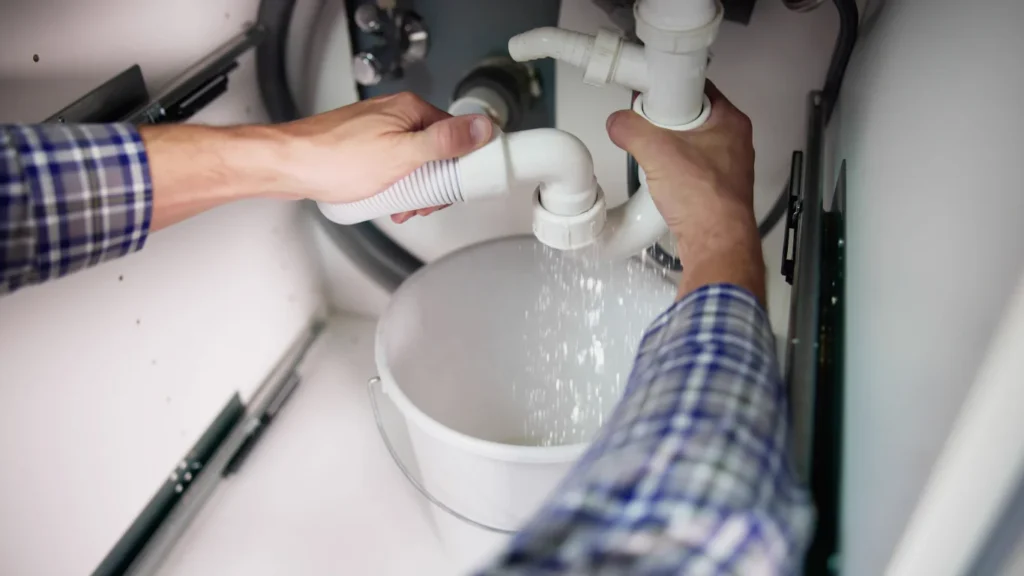
In a crisis it’s tempting to grab whoever answers first, but a licensed plumber earns their keep in ways a rushed DIY patch or an unlicensed handyman can’t match. They diagnose the actual cause instead of just the symptom spotting, say, that a “clog” is really a failing sewer line, or that a dripping connection points to pressure that’s stressing the whole system.
Licensed pros also work to code, pull permits when required, and carry insurance that protects your home if something goes sideways mid-repair. That combination of correct fix, legal compliance, and financial protection is exactly what you want when water is on the line.
How Trusted Home Quotes Vets and Matches Pros
The figures in this guide are researched from reputable cost databases, industry sources, and real contractor pricing, then framed as ranges rather than promises because emergency costs swing with your location, the timing of the call, and the severity of the damage.
For numbers tailored to your situation, the most accurate move is to compare local quotes. Trusted Home Quotes matches homeowners with vetted local plumbers and lets you get free quotes from trusted pros fast, with no obligation, even when the job is urgent.
Frequently Asked Questions
How much does an emergency plumber cost in 2026?
Most after-hours emergency plumbers charge about $150 to $300 per hour in 2026, plus a service-call fee that can run $50 to $300. The repair itself adds parts and labor, so a typical emergency often lands somewhere between a few hundred and a couple thousand dollars.
What counts as a plumbing emergency?
A plumbing emergency is anything you can’t stop or can’t safely live with until morning: burst pipes, active flooding, a sewer backup, the smell of gas or sewage, no running water, or no hot water. A slow drain or dripping faucet usually isn’t one.
Do emergency plumbers charge more on nights and weekends?
Yes. After-hours, weekend, and holiday calls carry overtime premiums commonly 1.5 to 3 times the standard hourly rate. Holidays are typically the most expensive, followed by weekends and weeknights. If the issue can safely wait for business hours, you’ll usually pay noticeably less.
How fast can an emergency plumber arrive?
Many emergency plumbers aim to arrive within one to three hours, but it depends on your location, the time of night, and how many calls they’re handling. Always ask for an honest arrival window rather than relying on a “24/7” label alone.
Should I shut off my water before the plumber arrives?
In most cases, yes. Shutting the main valve or the local stop valve for one fixture stops new water from feeding the leak and limits damage. The main exception is a suspected gas leak, where your first call should be to your gas utility, not the plumber.
Get Help Fast and Hire With Confidence
A plumbing emergency is stressful, but it doesn’t have to mean a bad hiring decision. Shut off the water, document the damage, and take a few minutes to vet your pro then compare your options. Compare free quotes from local plumbers through Trusted Home Quotes for fast matching with vetted pros, and explore our other home project cost guides to plan ahead for whatever your house throws at you next.
You Might Also Like