11 Warning Signs You Need a New Roof (2026)
By the Trusted Home Quotes Editorial Team | Updated July 14, 2026
Maybe you spotted a brown stain on the bedroom ceiling after last week’s storm, or you glanced up while mowing and noticed your shingles look worse than you remembered. If you’re wondering whether your roof can make it through another season, you’re asking the right question. Knowing the signs you need a new roof early can save you thousands in water damage and emergency repairs. Below, we’ll walk you through 11 clear warning signs, what each one means, and what to do next including when a repair might be enough and when it’s time for a full replacement.
Key Takeaways
- This guide covers 11 warning signs that your roof may need repair or replacement.
- The most urgent red flags, active leaks, a sagging roof deck, and daylight visible from your attic need immediate professional attention.
- Roof lifespans vary by material: asphalt shingles last roughly 20–30 years, while metal, tile, and slate can last 40–150+ years (NRCA).
- A professional roof inspection is the safest way to know whether you need repairs or a full replacement.
- Always compare at least three quotes from licensed local roofers before committing to major roof work.
11 Warning Signs You Need a New Roof
1. Your Roof Is Past Its Expected Lifespan
Every roofing material has a shelf life. Standard three-tab asphalt shingles typically hold up for 15–20 years, while architectural shingles can stretch to 25–30. Metal, tile, and slate roofs last considerably longer.
If your roof is approaching or past the upper end of its expected lifespan, it’s worth having a professional take a look even if nothing seems obviously wrong from the ground. Aging materials lose their ability to shed water, and small failures tend to snowball quickly once a roof is past its prime.
2. Shingles Are Curling, Buckling, or Missing
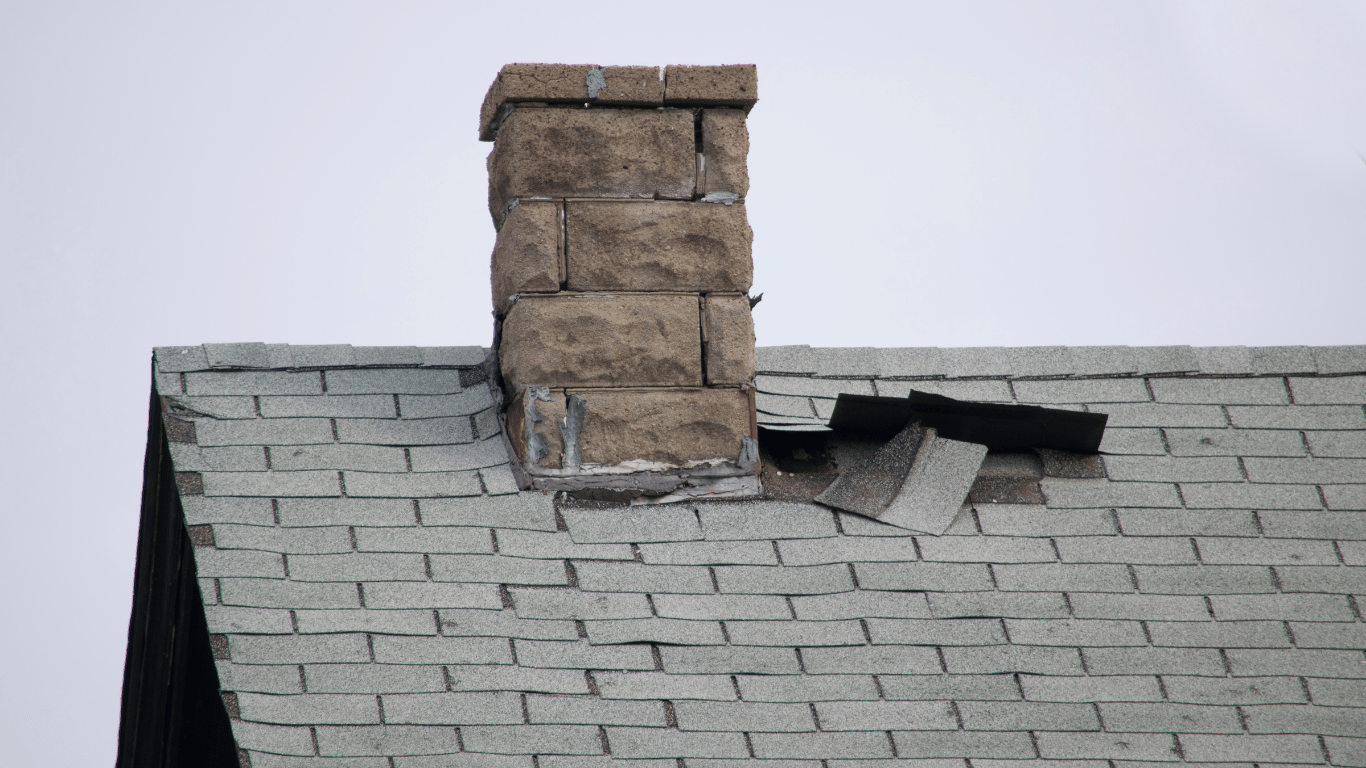
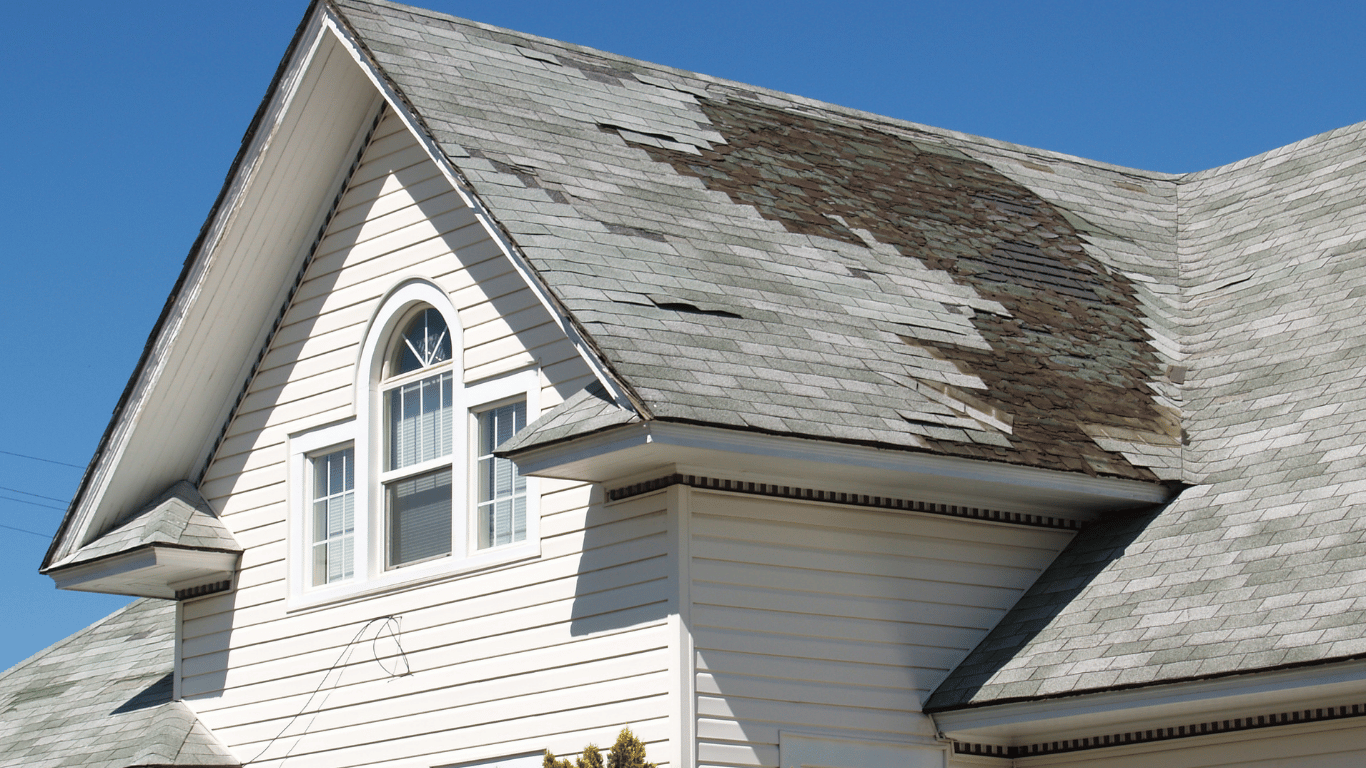
Take a look at your roof from the yard or driveway. Shingles that are curling at the edges, buckling upward, or missing entirely are one of the most visible new roof warning signs.
Curling usually points to moisture trapped beneath the shingle or prolonged heat exposure. Missing shingles leave the underlayment the waterproof barrier beneath your shingles directly exposed to rain and wind. A few damaged shingles can often be patched, but if the problem spans multiple sections of your roof, replacement is usually the more cost-effective route.
3. Granule Loss in Your Gutters
Asphalt shingles are coated with small, sand-like granules that protect them from UV rays and help shed water. If you’re finding gritty buildup in your gutters or at the base of your downspouts, your shingles are losing their protective layer.
Some shedding is normal on a brand-new roof, but heavy granule accumulation on a roof that’s a few years old is a strong signal that the shingles are nearing the end of their life. Check for bald or discolored patches on the shingles themselves to confirm.
4. Your Roof Deck Is Sagging
A sagging roofline is one of the most serious roof damage signs. It typically means the decking the plywood or OSB sheathing beneath your roofing material has been weakened by prolonged moisture exposure.
You may notice a visible dip in the middle of a roof slope or a wavy, uneven look along the edges. This isn’t a repair-it-later situation. A sagging deck can lead to a partial roof collapse, so contact a roofing professional as soon as you spot it.
5. Daylight Visible Through the Attic
Head up to your attic on a sunny day and turn off the lights. If you can see pinpoints or streaks of daylight coming through the roof boards, your roof has gaps and if light can get in, so can water, cold air, and pests.
Even small openings tend to widen over time as moisture rots the surrounding wood. If you see light in multiple spots, it usually points to a roof that needs more than a quick patch.
6. Water Stains or Leaks in the Attic or Ceiling
Brown or yellowish stains on your ceiling or attic rafters are a telltale sign that water is getting past your roof. While you’re up in the attic, check the insulation for dampness and look for any mold, mildew, or musty smells.
A single small leak caught early can sometimes be traced to one spot and repaired. But multiple stains or signs of ongoing moisture usually point to a larger roofing failure. The longer water sits, the more damage it does to your home’s structure and air quality.
7. Damaged or Missing Flashing
Flashing the thin metal strips that seal the joints around chimneys, vents, skylights, and where roof planes meet walls is one of the most common failure points on any roof. When flashing cracks, rusts, or pulls away, water can seep into the gaps and travel along the roof deck.
Flashing damage is sometimes repairable on its own, but on an older roof it’s often a sign that the whole system is wearing out. A roof inspection can tell you whether a flashing fix alone will solve the problem.
8. Moss, Algae, or Fungal Growth
A roof covered in green moss or dark algae streaks isn’t just an eyesore. Moss holds moisture against the roofing surface and can work its way beneath shingle edges, lifting them and speeding up decay.
Light moss can sometimes be cleaned away, but if it’s been growing for years and the shingles beneath are soft or damaged, replacement is usually the better long-term move.
9. Rising Energy Bills
If your heating or cooling costs have crept up without an obvious explanation, your roof could be the culprit. A failing roof often compromises the ventilation and insulation in your attic, letting conditioned air escape and outside air seep in.
The U.S. Department of Energy notes that proper attic insulation and ventilation are critical to a home’s energy efficiency. If your bills seem disproportionately high, it’s worth having a roofer check whether your roof and attic are still performing as they should.
10. Damaged or Overflowing Gutters
Gutters and roofs work as a team. When gutters are sagging, pulling away from the fascia, or overflowing during normal rain, water can pool along the roof’s edges and accelerate rot.
Gutters clogged with shingle granules are also a red flag (see sign #3). If your gutters need frequent repair or your fascia boards show water damage, have the roof evaluated at the same time. For more on costs, see our gutter replacement guide.
11. Neighbors Are Replacing Their Roofs
This one is easy to overlook, but it’s a genuinely useful clue. In neighborhoods where homes were built around the same time with similar materials, roofs tend to age at a comparable rate.
If you start seeing roofing crews on several houses on your street, your roof is likely in the same stage of its lifecycle. It doesn’t mean you need to rush into a replacement, but it’s a good prompt to schedule an inspection.
How Long Does a Roof Last?
Your roof’s expected lifespan depends mostly on the material. The table below shows typical service-life ranges based on guidance from the National Roofing Contractors Association (NRCA) and the Asphalt Roofing Manufacturers Association (ARMA). Climate, installation quality, attic ventilation, and maintenance all affect whether your roof hits the high or low end.
Roofing Material | Typical Lifespan |
3-Tab Asphalt Shingles | 15–20 years |
Architectural Asphalt Shingles | 25–30 years |
Metal (Standing Seam) | 40–70 years |
Clay or Concrete Tile | 50–100+ years |
Wood Shake | 20–30 years |
Slate | 75–150+ years |
Curious about a specific material? Our metal roof cost guide covers pricing and longevity for one of the most popular long-lasting options.
Roof Repair vs. Replacement: How to Decide
Not every problem calls for a full tear-off. A targeted repair makes sense when damage is limited to a small area a handful of missing shingles, a localized flashing failure, or a single leak traced to one spot. Repairs are also practical when your roof is still well within its expected lifespan.
Replacement becomes the smarter move when damage is widespread, your roof is near end-of-life, or the cumulative cost of repeated patches is approaching what a new roof would cost. A common rule of thumb: if the repair estimate tops 30–50% of a full replacement, the new roof usually wins on long-term value.
How Much Does a New Roof Cost?
Roof replacement is a big investment, but knowing the typical range helps you budget. Costs depend on your roof’s size, pitch, material, and local labor rates. Here are general 2026 ranges for a standard-sized home (roughly 1,500–2,500 sq. ft. of roof area).
Roofing Material | Typical Cost Range (2026) |
Asphalt Shingles (3-Tab) | $5,800–$10,000 |
Asphalt Shingles (Architectural) | $8,000–$14,000 |
Metal (Standing Seam) | $15,000–$30,000 |
Clay or Concrete Tile | $20,000–$45,000 |
Wood Shake | $12,000–$25,000 |
Slate | $25,000–$75,000 |
Source: Ranges compiled from Fixr.com, ConsumerAffairs, and NerdWallet. Actual costs vary by region and contractor.
What to Do If You Spot These Warning Signs
If any of the signs above look familiar, here’s what to do next.
Schedule a professional roof inspection. A qualified inspector can assess damage you can’t safely evaluate yourself. Learn about roof inspection costs.
Get multiple quotes. Aim for at least three estimates from licensed, insured contractors so you can compare pricing, timelines, and warranties. Compare local roofers through Trusted Home Quotes to get started.
Check your homeowner’s insurance. If the damage was caused by a storm, hail, or a fallen tree, your policy may cover part or all of the replacement. Document the damage with photos before any work begins.
Avoid DIY on structural issues. Replacing a few shingles may be manageable for experienced homeowners, but sagging decks, widespread leaks, and flashing failures are best left to pros. Improper repairs can void warranties and create bigger problems.
How to Save Money on a Roof Replacement
Compare multiple quotes. Pricing varies significantly between contractors. Three or more estimates give you leverage and help you spot outliers.
Schedule in the off-season. Late winter and early spring are slower for roofers in many areas, which can mean better pricing and faster scheduling.
Ask about material options. Your contractor may offer different shingle grades or alternative materials that stretch your budget further. Architectural shingles cost more upfront than three-tab but often last significantly longer.
Check insurance coverage. If your roof was damaged by a covered event, your policy may cover a significant chunk of the cost.
Explore financing. Many roofing companies offer payment plans. Compare interest rates and terms before signing.
Questions to Ask a Roofing Contractor Before You Hire
Before you sign anything, make sure you’ve covered these essentials:
- Are you licensed and insured? Ask for proof of general liability and workers’ comp coverage.
- What warranties do you offer on materials and workmanship?
- Can you provide a detailed written estimate that breaks down materials, labor, and fees?
- What’s the expected timeline from start to finish?
- Who handles cleanup and debris removal and is it included in the price?
- Can you share references from recent local jobs?
How Trusted Home Quotes Gets Its Data
The cost figures, lifespan estimates, and recommendations in this guide are drawn from manufacturer specs, industry publications (including the NRCA and ARMA), government sources, and experienced contractors. We review and update content regularly. Because roofing costs vary by region, we always recommend comparing free quotes from local pros for the most accurate estimate.
Frequently Asked Questions
How do I know if I need a new roof?
Look for warning signs like curling or missing shingles, granule buildup in your gutters, ceiling water stains, or a sagging roofline. If your roof is near or past its expected lifespan, schedule a professional inspection for a clear assessment.
How long does a typical roof last?
It depends on the material. Asphalt shingles last about 15–30 years, metal roofs 40–70 years, and slate can last well over a century. Climate, ventilation, and maintenance all affect how long your roof holds up.
Can I just repair my roof instead of replacing it?
Often, yes especially if the damage is small and the rest of the roof is in good shape. But if repairs keep piling up, the roof is near end-of-life, or the damage is widespread, full replacement is usually the better investment.
How much does it cost to replace a roof in 2026?
Most homeowners spend between $5,800 and $14,000 for an asphalt shingle replacement, though the total depends on roof size, material, and location. Metal and slate can cost significantly more. Get multiple quotes for accurate pricing.
Should I get a roof inspection before buying a house?
Yes. A pre-purchase roof inspection can reveal hidden damage, help you estimate remaining roof life, and give you negotiating leverage on the sale price. It typically costs a few hundred dollars and can save you from an expensive surprise.
What is the best time of year to replace a roof?
Fall is generally ideal moderate temperatures help shingles seal properly and weather delays are less common. Scheduling in late winter or early spring may get you better pricing since it’s the off-season for most crews.
You Might Also Like
- How Much Does a Roof Inspection Cost in 2026?
- How Much Does a Metal Roof Cost in 2026?
- 7 Types of Gable Roofs: Which One Is Right for Your Home?
- How Much Does Gutter Replacement Cost in 2026?
Get Free Roofing Quotes From Trusted Local Contractors
Ready to take the next step? Compare free quotes from vetted local roofers through Trusted Home Quotes no pressure, no obligation. Whether you need a repair or a full replacement, we’ll match you with experienced pros in your area. Explore our other home project guides to keep your home in great shape year-round.