Siding Replacement Cost in 2026: Price Guide
Most homeowners pay between $6,500 and $19,000 for siding replacement, with the national average landing near $12,400 in 2026. A small partial job on one elevation can come in around $2,500, while a large, complex home clad in natural stone can run past $45,000. Material choice and wall area drive nearly all of that spread.
Key Takeaways
- Siding replacement cost typically runs $6,500 to $19,000, or about $4 to $13 per square foot installed.
- Material is the single biggest lever vinyl starts around $4 per square foot installed, while full brick and natural stone can reach $28 to $40.
- Crews price by wall area, not floor area, so two-story homes and cut-up rooflines cost more than their square footage suggests.
- Budget for the line items behind the quote: tear-off, permits, house wrap, and any rot found once the old siding comes down.
- Bids on the same house vary by thousands, so compare at least three written estimates.
A hard winter has a way of exposing an exterior’s weak spots. Panels that looked fine in October come out of March chalky, cupped, or pulling loose at the corners. Maybe a pre-listing walkthrough turned up soft spots near the foundation, or you’re simply tired of restoring cedar every six years. Either way, siding replacement cost is now the number you’re trying to pin down before you call anyone.
The honest answer is a range. Where you land depends mostly on two things: what you wrap the house in, and how much wall there is to cover. Local labor rates, tear-off, permits, and the condition of the sheathing underneath nudge the total from there. Here’s how it adds up in 2026.
Siding Cost by Home Size
Your floor plan isn’t what gets priced. Installers measure wall area the surface actually being covered then subtract openings and add a waste factor for cuts. On a single-story ranch that often lands 15% to 25% below the home’s living space; on a two-story colonial with tall gable ends, it can exceed it. Contractors talk in squares, one square being 100 square feet of coverage. Below are all-in totals, materials plus labor, by home size.
Home Size (Sq. Ft.) | Vinyl, Engineered Wood, Aluminum, Steel, Fiber Cement | Brick, Stone, or Full Masonry |
|---|---|---|
1,200 | $5,000 – $16,000 | $11,000 – $36,000 |
1,800 | $7,500 – $24,000 | $16,000 – $54,000 |
2,200 | $9,000 – $29,000 | $20,000 – $66,000 |
2,800 | $11,500 – $37,000 | $25,000 – $84,000 |
3,500 | $14,500 – $46,000 | $31,000 – $105,000 |
For context, the median new single-family home runs a little over 2,100 square feet, which puts a typical full re-side squarely in five figures.
Siding Cost by Material: Price per Square Foot
This is the table to sit with. Installed prices include materials and standard labor; lifespans assume correct installation and routine maintenance.
Siding Material | Installed Cost per Sq. Ft. | Expected Lifespan |
|---|---|---|
Aluminum | $3 – $8 | 25 – 40 years |
Vinyl | $4 – $12 | 25 – 40 years |
Engineered wood | $5 – $11 | 20 – 40 years |
Steel | $5 – $16 | 40 – 50+ years |
Wood (cedar, redwood) | $6 – $18 | 20 – 40 years |
Fiber cement | $6 – $15 | 40 – 50+ years |
Stucco | $7 – $14 | 50 – 80 years |
Stone veneer | $8 – $22 | 25 – 75 years |
Brick veneer | $9 – $20 | 70 – 100 years |
Brick (full) | $12 – $28 | 100+ years |
Natural stone | $15 – $40 | 100+ years |
A quick translation of the terms: fiber cement is a cement-and-cellulose board that mimics wood grain without rotting; a veneer is a thin masonry facing attached to the wall rather than a structural wythe of brick or stone. Veneers are why the premium look is reachable on a mid-range budget.
Budget-first shoppers gravitate to vinyl for good reason. It’s the most-installed exterior material on new single-family homes, and vinyl siding cost per square foot stays low even after tear-off. Climate should temper that instinct, though. Dark vinyl can warp under intense sun, fiber cement and stucco handle humidity and driving rain well, and steel or masonry earn their keep where hail and high wind are annual events.
Upkeep quietly changes the math too. Cedar wants stain every five to seven years; factory-finished fiber cement often goes 15. Across a long hold, the cheaper house siding prices on paper don’t always win.
Siding Installation Cost by Location
Where you live moves the number as much as a material upgrade does. Wages, disposal fees, permitting, and climate-driven code all vary by metro.
Metro Area | Typical Full Replacement (Standard Materials) |
|---|---|
Seattle, WA | $12,500 – $28,000 |
Minneapolis, MN | $10,000 – $23,500 |
Philadelphia, PA | $9,500 – $22,000 |
Atlanta, GA | $7,500 – $18,500 |
Cleveland, OH | $7,000 – $17,000 |
San Antonio, TX | $6,500 – $16,000 |
Phoenix, AZ | $6,000 – $15,500 |
Two forces explain the spread. Labor is the first skilled exterior crews cost more in high-wage coastal markets than in the Midwest or interior South. Climate is the second. Wet Pacific Northwest walls need meticulous flashing and rainscreen detailing, cold-climate jobs often add continuous insulation, and hail and hurricane zones carry fastening requirements that cost both material and time.
Additional Siding Cost Factors
Two identical-size houses on the same street can land thousands apart. These variables usually explain the gap.
Labor Rates
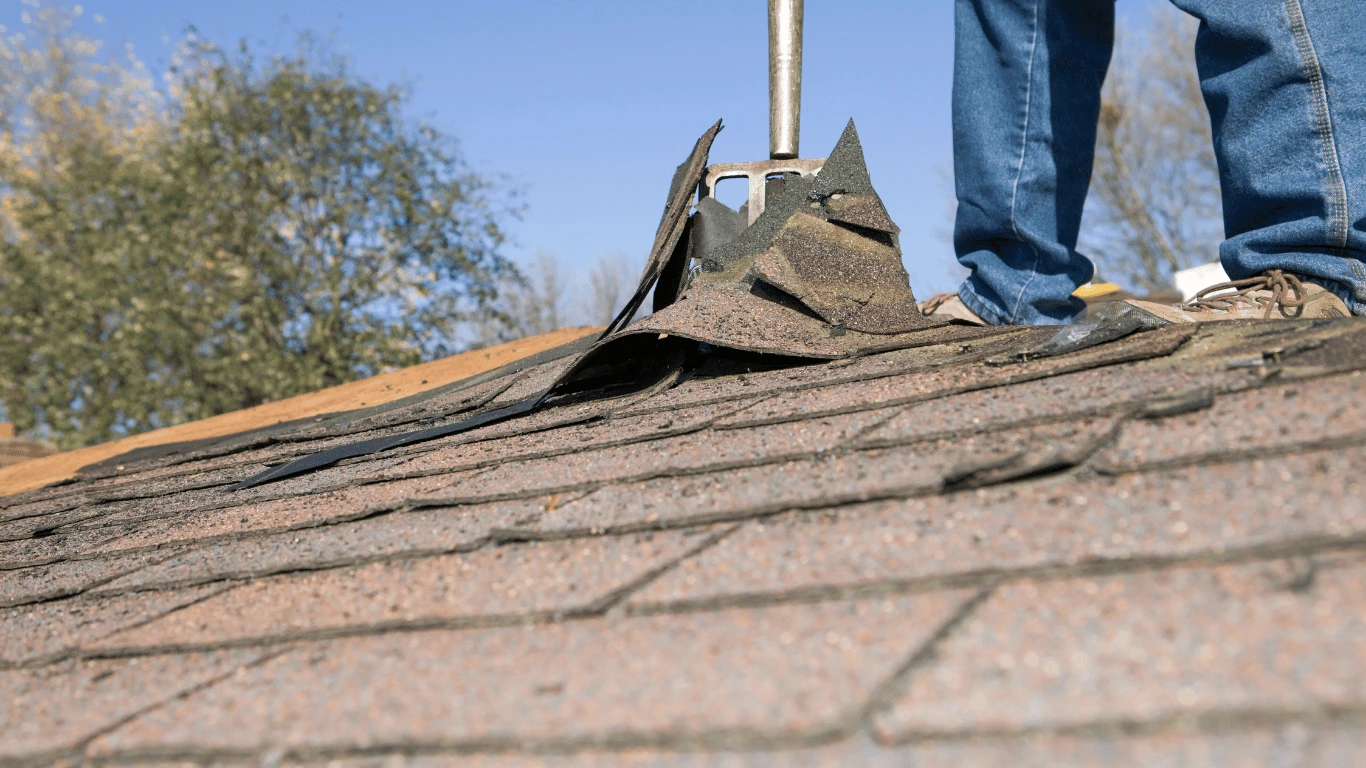
Siding labor cost typically runs $2 to $5 per square foot, or roughly $45 to $85 per hour for a crew. Fiber cement and steel take longer to cut and hang than vinyl, so they carry the higher end. Nationally, the median wage for carpenters sits near $59,300 a useful floor when you’re sanity-checking a bid.
Home Shape, Stories, and Architectural Complexity
A simple rectangle is the cheapest shape to side. Dormers, bay windows, turrets, and multiple gable ends each mean more custom cuts, more trim, and more waste. Anything above one story adds staging or lift equipment and slows the crew down, which shows up as hours rather than materials.
Old Siding Removal and Disposal
Tear-off usually adds $0.75 to $2.25 per square foot, or about $1,200 to $3,500 on an average home including disposal. It’s worth paying for: removal is the only way to see what’s behind the wall, and catching rot behind a loose panel now beats rebuilding framing later. Pre-1980s homes may have asbestos-bearing siding, which requires licensed abatement at a higher rate.
Condition of the Existing Exterior
Once the wall is open, surprises get priced. Replacing damaged sheathing runs $65 to $140 per 4×8 sheet installed, and framing repairs climb from there. Set aside 10% to 15% as contingency experienced contractors expect to find something on an older home.
Insulation, House Wrap, and Moisture Barriers
House wrap the breathable membrane between sheathing and siding runs about $0.30 to $1.00 per square foot and is standard on any reputable job. Rigid foam for continuous insulation adds another $1 to $3. It’s a smart moment to upgrade: the EPA estimates that sealing and insulating trims heating and cooling costs by around 15%, and the walls are already open.
Trim, Soffit, and Fascia
Soffit is the underside of the roof overhang; fascia is the board along its edge. Wrapping or replacing them adds $6 to $20 per linear foot. Corner posts, window surrounds, and board and batten accents — wide boards with narrow strips over the seams are priced separately and add up fast on a detailed facade.
Permits and Local Code
Siding permits generally cost $100 to $1,200 depending on jurisdiction and scope. Some municipalities skip permitting for like-for-like replacement, while historic districts and HOAs may restrict color, profile, and material outright. Confirm before you sign.
Time of Year and Contractor Demand
Late spring through early fall is peak season and pricing reflects it. Booking in late fall or winter, climate permitting, often means better rates and faster scheduling. Most materials install fine in cool weather, though vinyl gets brittle in deep cold and veneer adhesives need temperatures above freezing.
Siding Repair vs. Replacement
Not every damaged wall needs a full re-side. Use these thresholds to find your side of the line.
What to Check | Lean Toward Repair | Lean Toward Replacement |
|---|---|---|
Share of exterior affected | Under about 25%, confined to one elevation | Roughly a third or more, or damage on multiple sides |
Remaining lifespan | More than a decade of service life left | Past roughly 75% of the material’s expected life |
Moisture findings | Isolated staining that dries out and stays dry | Soft sheathing, mold, or leaks at more than one wall |
Repair quote vs. replacement quote | Under about 40% of a full replacement bid | Above roughly half of a full replacement bid |
Color and profile match | Original product line still manufactured | Discontinued profile; patch will always read as a patch |
Read the rows together, not one at a time. A single cracked panel on 12-year-old siding is a repair, full stop. But once two or three rows point the same way, patching tends to buy a year or two and then cost you the full job anyway.
Does New Siding Add Value to Your Home?
Exterior work consistently beats interior remodels at resale. In the industry’s most-cited cost vs. value study, fiber cement siding replacement recouped about 114% of its cost nationally and vinyl about 97%. Eight of the ten highest-returning projects were exterior replacements.
Buyers form an opinion from the curb. Chalky or mismatched siding reads as deferred maintenance across the whole house, fair or not. Fresh siding neutralizes that objection, and pairing it with insulation lowers your utility bill in the meantime.
Why Hire a Professional Siding Installer
Siding looks like straightforward carpentry from the ground. What separates a lasting install from a leaking one is detail work that’s invisible once finished: flashing at every window head and wall-to-roof junction, correct laps in the house wrap, fasteners set to allow expansion, and courses that stay level across the run.
Warranties matter too. Fiber cement and premium engineered wood manufacturers commonly require certified installers, and a DIY job can void coverage on the product itself. Pros also carry liability insurance, which counts the moment a ladder meets a second story.
If you want to trim labor hours yourself:
- Clear a 6- to 8-foot perimeter: planters, patio furniture, hoses, grills.
- Prune shrubs and low branches back so scaffolding has room.
- Take down shutters, house numbers, and mounted fixtures in advance.
- Move anything stored against exterior walls and clear attic access.
How to Save Money on Siding
- Book off-season. Scheduling outside the spring-to-fall rush earns better rates and firmer start dates.
- Collect three or more written bids. Insist on line items so you’re comparing tear-off, wrap, and trim — not just a bottom line.
- Choose veneer over full masonry. Brick and stone veneers deliver the look for a fraction of the price.
- Mix materials. Run a premium product across the front elevation and a budget field material on the sides and rear.
- Bundle related work. Windows, trim, and insulation are cheapest while the walls are open and staging is up.
- Ask about rebates. Utilities and manufacturers offer incentives on insulated products, and the Department of Energy outlines which envelope upgrades qualify for federal credits.
Next Steps: Finalize Your Project With a Siding Pro
Walk into estimates prepared and the numbers get sharper. Know your current material, its approximate age, and where you’ve seen damage, drafts, or staining. Photos of problem areas help, as does a recent inspection report.
Ask which upgrades are worth adding while the crew is on site insulated backing, better house wrap, wider trim, a color-matched soffit package. Then ask in writing how change orders are handled if rot turns up. A pro who has already quoted you a per-sheet sheathing price won’t surprise you on day three. Confirm timeline and site access too: most full replacements take one to two weeks, longer for masonry, and weather moves schedules.
How Trusted Home Quotes Gets Its Cost Data
Our ranges cross-reference reputable construction cost databases, federal labor and housing data, industry association research, and real contractor pricing from the markets we serve, all reviewed against current material costs before publishing. Still, a national average is a starting point, not a quote the only way to know what your house costs is to have someone measure it. Comparing free local estimates gives you numbers you can actually budget against.
Frequently Asked Questions
How much does it cost to side a 2,000-square-foot house?
Expect roughly $8,000 to $26,000 for a 2,000-square-foot home using standard materials, with most projects landing near $14,000. Vinyl sits at the low end and fiber cement or steel toward the top. Brick or stone can push the same house past $50,000.
What is the cheapest siding to install?
Aluminum and vinyl are the most affordable, starting around $3 to $4 per square foot installed. Vinyl is usually the better value of the two because it resists denting and never needs painting, while aluminum is easily dinged by hail and yard equipment.
Can you install new siding over old siding?
Sometimes, if the existing surface is flat, dry, and structurally sound. Most contractors advise against it. Layering hides rot, moisture, and pest damage you can’t see, adds weight to the wall, and can void manufacturer warranties on the new product.
How long does a siding installation take?
Most full replacements take one to two weeks. A single-story vinyl job can wrap in three or four days, while fiber cement or masonry veneer on a large home runs two to three weeks. Rain and cold extend the schedule.
Is a moisture barrier necessary under siding?
Yes, in nearly all cases. Modern building codes require a weather-resistive barrier such as house wrap between the sheathing and the siding. It sheds any water that gets behind the panels while still letting wall assemblies dry, which is what prevents rot and mold.
Compare Free Siding Quotes Near You
You don’t have to guess. Tell us about your project and Trusted Home Quotes will match you with vetted local siding contractors so you can compare free estimates side by side no obligation, no cost. Then browse our other home project cost guides.