How Much Does a Plumbing Inspection Cost In 2026?
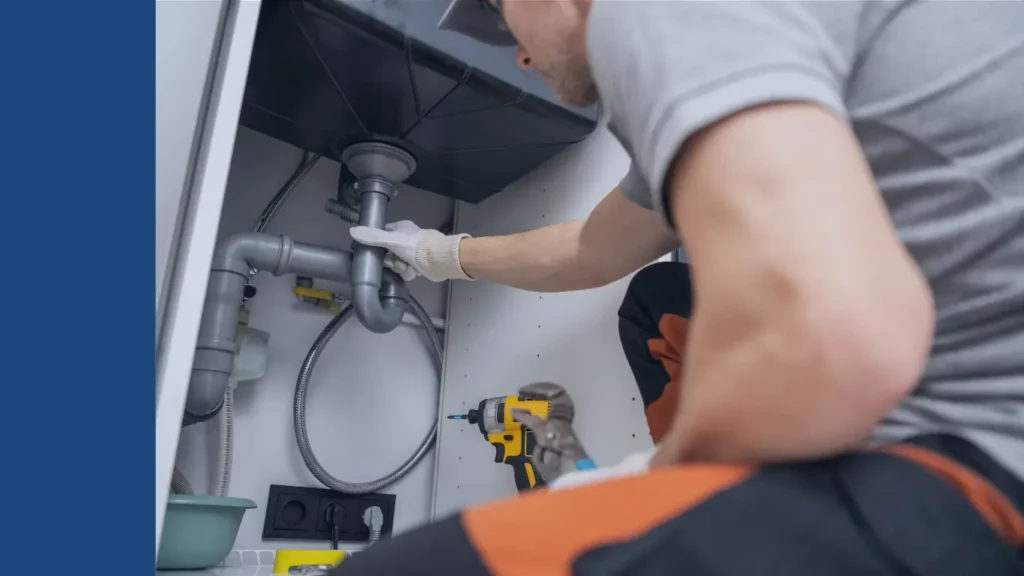
Most homeowners pay between $100 and $500 for a plumbing inspection, and the average plumbing inspection cost lands right around $300. A quick visual once-over sits at the low end, while a thorough job that sends a camera down your sewer line can climb past $1,300 depending on the size of your home and what the plumber finds along the way.
Key Takeaways
- Most plumbing inspections run $100 to $500, with a national average near $300. A simple visual check is cheapest; a full visual-plus-camera job can reach $1,300 or more.
- A visual inspection is the budget option, while a combination inspection (visual + camera) is the most thorough and the smart pick before buying a home.
- The biggest price drivers are home size, location, and urgency after-hours or emergency visits cost noticeably more.
- Comparing two or three written quotes is the easiest way to avoid overpaying and to find a licensed pro you trust.
Maybe you’re about to close on a house and want to know what’s hiding behind the walls. Maybe a drain keeps gurgling and you can’t pin down why. Or maybe you’re just the type who’d rather catch a small problem early than mop up a flooded basement later. Whatever brought you here, the plumbing inspection cost is usually the first thing you want nailed down before you start calling around.
The good news: an inspection is one of the cheaper line items in home maintenance, and it routinely pays for itself by flagging trouble while it’s still cheap to fix. Below, we break down what you’ll pay in 2026, what changes the number, what a plumber actually checks, and a few easy ways to keep the cost down.
Plumbing Inspection Cost Factors
No two homes price out the same. A few variables do most of the heavy lifting, and the type of inspection you book is the single biggest one. Here’s how the pieces add up, drawing on current national cost data.
Type of Inspection
Plumbers generally offer three tiers of service. A visual inspection is a hands-and-eyes review of everything that’s accessible pipes under sinks, fixtures, shut-off valves, and the water heater. A sewer camera inspection (a waterproof camera snaked through your drain or main line) goes where eyes can’t, spotting clogs, cracks, and tree roots inside the pipes. A combination inspection bundles both for the fullest picture.
Inspection type | What it typically covers | Typical 2026 cost |
|---|---|---|
Visual inspection | Exposed pipes, fixtures, shut-off valves, the water heater, and visible connections under sinks and around toilets. | $100 – $250 |
Camera / sewer inspection | A waterproof camera fed through a drain or the main sewer line to reveal blockages, cracks, and root intrusion you cannot see from above. | $250 – $1,100 |
Combination inspection | A full visual walk-through paired with a camera scope of the lines the most thorough option and the one most buyers choose. | $400 – $1,300 |
If a camera run reveals heavy grease or sludge packed into a line, the recommended fix may be hydro jetting rather than a simple snaking worth knowing before you book, since the inspection and the cleaning are usually billed separately.
Home Size
Square footage is really a stand-in for how much plumbing there is to check. A compact one-bath home has a short list of fixtures and lines, so the visit is quick. A sprawling house with three bathrooms, a basement, and outdoor spigots takes far longer to walk, and the bill tracks the extra time. Expect older, larger homes to land at the higher end of any range.
Urgency and After-Hours Rates
Booking ahead is always cheaper than calling in a panic. If you need someone out tonight because a toilet is overflowing, many plumbers add an emergency or after-hours surcharge, often $100 to $500 on top of the base rate, and some charge 1.5 to 3 times their normal hourly rate for nights, weekends, and holidays. A scheduled weekday visit avoids all of that.
Location
Where you live shapes the price as much as anything. Plumbers in high-cost-of-living metros bill more per hour than those in smaller towns and rural areas; the gap can run 20% to 35% on labor alone for the same service. That difference flows straight through to inspection pricing, which is why a quote from a downtown firm and one from a shop two counties over can look so different.
What’s Included in a Plumbing Inspection?
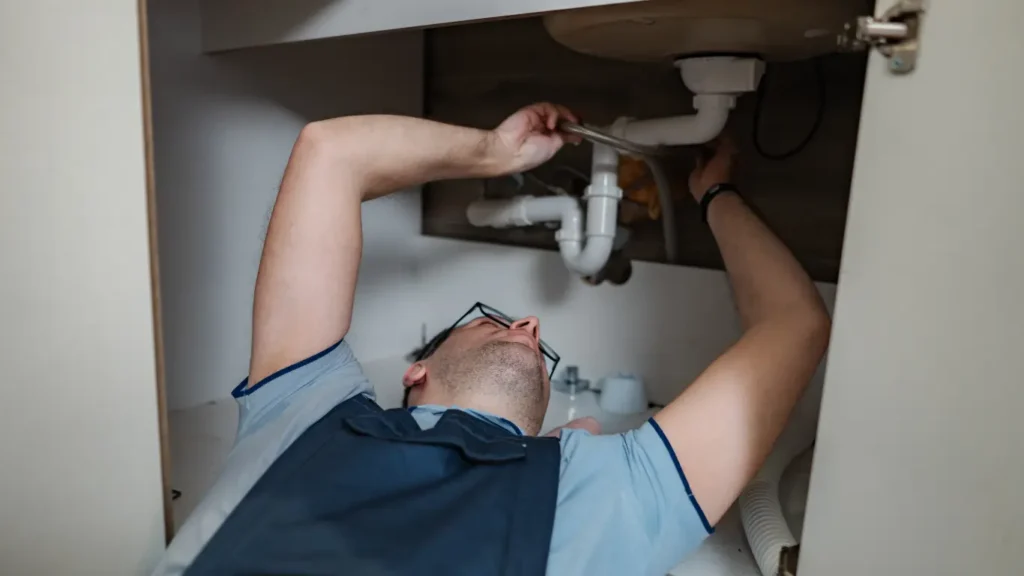
A solid inspection covers your system from the street to the rooftop vent. A licensed plumber will typically check:
- Supply lines and water pressure, looking for corrosion, pinhole leaks, and weak flow
- Drains, traps, and the main sewer or septic line for blockages and slow movement
- The water heater connections, the pressure-relief valve, signs of rust or sediment
- Faucets, toilets, showers, and any visible appliance hookups
- Outdoor fixtures such as the hose bib (the outdoor faucet you connect a garden hose to) and any shut-off or cleanout (an access point that lets a plumber reach the line to clear it)
- Signs of past water damage, mold, or hard-water mineral buildup
Most single-story to two-story homes take about one to three hours, longer if the plumber runs a camera or the layout is complicated. If the inspection turns up persistent mineral scale, the plumber may suggest a water softener installation to protect your pipes and fixtures down the road.
When Should You Get a Plumbing Inspection?
For most homes, a check every two years keeps small issues from snowballing. There are a few moments when you shouldn’t wait that long:
- Before buying a house a standard home inspection rarely scopes the sewer line, so a dedicated plumbing inspection fills a real blind spot
- Older homes if your house predates the 1980s, an annual look catches aging galvanized steel or cast-iron pipes before they fail
- After warning signs recurring clogs, sewage smells, slow drains throughout the house, sudden pressure drops, or an unexplained jump in your water bill
- Before a remodel if you’re moving fixtures or adding a bathroom, you’ll want to know the existing system can handle it
Those warning signs matter because leaks are sneakier than they look. The EPA estimates household leaks waste nearly 10,000 gallons yearly in the average home water you’re paying for whether you notice it or not. A leak you catch now beats a flood you pay for later.
Common Plumbing Repair Costs
An inspection is diagnostic, not corrective so if it surfaces a problem, repairs are a separate expense. Here are realistic 2026 figures for the fixes homeowners run into most, based on current typical repair ranges:
Repair an inspection might turn up | Typical 2026 cost |
|---|---|
Clearing a clogged or slow drain | $125 – $300 |
Fixing a dripping faucet or running toilet | $130 – $350 |
Repairing an easy-to-reach pipe leak | $150 – $400 |
Repairing a leak hidden inside a wall or floor | $500 – $2,000+ |
Water heater repair | $90 – $1,800 (avg. ~$600) |
Water heater replacement | $880 – $1,820 (avg. ~$1,340) |
Sewer line repair | $1,400 – $5,300 (avg. ~$3,300) |
Sewer problems sit at the scary end of that table, but they don’t always mean digging up the yard. Depending on the damage, trenchless sewer repair can fix a line with minimal excavation, one more reason a camera inspection is worth it before you assume the worst.
Why Hire a Licensed Plumber
You can certainly poke around under your own sinks, but a flashlight check only catches what’s obvious. A licensed plumber reads the clues an amateur misses: the faint green tinge that signals a slow copper leak, the water-pressure reading that hints at a buildup deep in the line, the camera footage that distinguishes harmless settling from a collapsing pipe.
The good news is you don’t have to track one down on your own. Trusted Home Quotes can match you with local vetted plumbers and line up free quotes side by side, so you can compare credentials and pricing before you commit.
How to Save Money on a Plumbing Inspection
A thorough inspection doesn’t have to be expensive. A few simple moves keep the cost in check:
- Bundle it with routine maintenance pairing an inspection with a drain cleaning or water-heater flush often costs less than booking each on its own
- Schedule during normal business hours skip the after-hours premium whenever the situation isn’t an emergency
- Ask what’s included some plumbers fold minor fixes, like tightening a fitting, into the visit at no extra charge
- Keep access clear move stored items away from the water heater, cleanouts, and under-sink cabinets so the plumber isn’t billing you to dig
The biggest lever, though, is comparison. Getting two or three written estimates routinely saves homeowners a few hundred dollars on mid-size jobs. You can compare local plumbers through Trusted Home Quotes to line up quotes side by side before you commit.
Questions to Ask Before Booking
A few quick questions on the phone tell you a lot about who you’re hiring:
- Are you licensed and insured in this state, and can you share proof?
- What does the inspection include visual only, or a camera scope of the sewer line too?
- Are minor repairs handled during the visit, or quoted separately afterward?
- Will I get written findings and photos I can keep?
- Is the diagnostic or trip fee credited toward any repair work if I hire you?
How Trusted Home Quotes Gets Its Cost Data
The figures in this guide come from a mix of reputable cost databases, federal labor and consumer-agency data, plumbing-industry pricing, and ranges reported by working contractors. We update our cost guides as the market shifts so the numbers stay current rather than carried over year to year.
That said, national averages are a starting point, not a quote. Pipe age, local labor rates, and the specifics of your home all move the final price. The most accurate number for your situation comes from a local pro who can see your system which is exactly what we help you arrange.
Frequently Asked Questions
How much does a plumbing inspection cost in 2026?
In 2026, a plumbing inspection typically costs $100 to $500, with a national average around $300. A basic visual check runs $100 to $250, a camera or sewer inspection runs $250 to $1,100, and a full combination inspection can reach $400 to $1,300 depending on home size and location.
Is a sewer camera inspection worth it?
Usually, yes especially for older homes or before a purchase. A camera scope finds root intrusion, cracks, and blockages inside the line that a visual check can’t see. Spending a few hundred dollars now can flag a problem that would otherwise become a multi-thousand-dollar excavation later.
How long does a plumbing inspection take?
A standard visual inspection of an average home takes about one to two hours. Adding a sewer camera scope, or inspecting a larger or older home with more fixtures, can stretch the visit to two or three hours. Clear access to pipes and the water heater helps it go faster.
How often should you get a plumbing inspection?
Every two years works for most homes in good shape. If your house is over 40 years old, an annual inspection is wise to monitor aging pipes for corrosion. You should also book one anytime you notice warning signs or are about to buy a property.
Do you need a plumbing inspection when buying a house?
It’s strongly recommended. A general home inspection covers a lot but rarely scopes the sewer line or pressure-tests the system in depth. A dedicated plumbing inspection closes that gap, and any issues it uncovers can become bargaining points before you finalize the sale.
Compare Free Plumbing Quotes Near You
Now that you know what a plumbing inspection should cost, the next step is a real number for your home. Trusted Home Quotes makes it easy to compare free quotes from licensed local plumbers, no pressure, no obligation, just trusted pros side by side. While you’re planning, explore our other home project cost guides to budget the rest of your to-do list with confidence.
You Might Also Like